



낭만픽션 8권. 3캐럿 다이아몬드 반지가 사람의 손에서 손으로 옮겨가며 반지의 소유주들을 둘러싸고 범죄가 발생한다는 설정의 연작 소설집이다. 작가는 열두 편의 이야기를 통해 욕망을 거스르지 않고 자신의 잇속을 챙기려 폭력과 사기, 살인도 주저하지 않는 인간들의 '비루한 일상'을 가감 없이 묘사한다. 부정을 저지른 자들만이 성공하는, 퇴폐와 부조리가 만연한 사회에서 인간의 마음은 쉽사리 범죄에 기운다. 군납 비리를 저지르고 달아나는 장교, 위자료를 주기 싫어 아내를 살해하는 암시장 상인, 빚 독촉에 오랜 친구를 죽이는 고물상 주인 등, 소설 속 인물들은 속된 욕망 앞에서 삶의 윤리는 하찮게 내팽개쳐지고, 인간의 목숨 역시 가볍게 여겨진다. 그중에서도 '백제의 풀'과 '도망'은 마쓰모토 세이초의 방대한 작품 중 드물게 '조선 경험'이 반영된 소설이다. 한국의 용산과 정읍에서 위생병으로 복무한 작가는 군대 생활에서 전쟁의 잔인함보다는 그런 잔인함을 가능하게 하는 구조를 발견한다. 그리고 그것은 비단 군대에만 존재하는 것이 아니라는 통찰에 이른다. 지금껏 세이초가 추구해 온 테마는 나약한 인간이 제대로 작동하지 않는 사회의 시스템 때문에 궁지에 몰려 범죄자가 되어버리는 현실을 비판하는 것이었다. <현란한 유리>에서는 세이초의 군대 경험이 사회악을 비판하는 또 하나의 원점이었다는 것을 알려 준다. 세이초 문학에서 등장하는 여성상을 만든 경험이라는 점에서도, 또 하나의 원점이라고 할 수 있다.
Authors

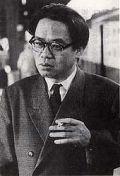
Seicho Matsumoto (松本清張, Matsumoto Seichō), December 21, 1909 – August 4, 1992) was a Japanese writer. Matsumoto's works created a new tradition of Japanese crime fiction. Dispensing with formulaic plot devices such as puzzles, Matsumoto incorporated elements of human psychology and ordinary life into his crime fiction. In particular, his works often reflect a wider social context and postwar nihilism that expanded the scope and further darkened the atmosphere of the genre. His exposé of corruption among police officials as well as criminals was a new addition to the field. The subject of investigation was not just the crime but also the society in which the crime was committed. The self-educated Matsumoto did not see his first book in print until he was in his forties. He was a prolific author, he wrote until his death in 1992, producing in four decades more than 450 works. Matsumoto's mystery and detective fiction solidified his reputation as a writer at home and abroad. He wrote historical novels and nonfiction in addition to mystery/detective fiction. He was awarded the Akutagawa Prize in 1952 and the Kikuchi Kan Prize in 1970, as well as the Mystery Writers of Japan Award in 1957. He chaired the president of Mystery Writers of Japan from 1963 to 1971. Credited with popularizing the genre among readers in his country, Matsumoto became his nation's best-selling and highest earning author in the 1960s. His most acclaimed detective novels, including Ten to sen (1958; Points and Lines, 1970); Suna no utsuwa (1961; Inspector Imanishi Investigates, 1989) and Kiri no hata (1961; Pro Bono, 2012), have been translated into a number of languages, including English. He collaborated with film director Yoshitarō Nomura on adaptations of eight of his novels to film, including Castle of Sand.