![花氷 [Kahyō] book cover](https://images-na.ssl-images-amazon.com/images/S/compressed.photo.goodreads.com/books/1567503109i/8883931.jpg)
第1回(1967年) 吉川英治文学賞受賞 不動産ブローカーの粕谷は、元愛人の登代子と銀行員坂本の仲に目をつけ詭計で支店長黒川を脅迫する。粕谷が狙う一攫千金の野望は国有地の払下げである。資金のメドのついた彼は、臆面もなく政界実力派の代議士に接近……。腐敗する政界裏面と、飽くことのない欲望に奔走する男の黒い構図を描く異色作。
Authors
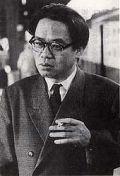
Please also see Seichō Matsumoto. 松本清張(まつもとせいちょう、1909年12月21日 - 1992年8月4日)は、日本の作家。 1953年に『或る「小倉日記」伝』で芥川賞を受賞。以降しばらく、歴史小説・現代小説の短編を中心に執筆した。1958年には『点と線』『眼の壁』を発表。これらの作品がベストセラーになり松本清張ブーム、社会派推理小説ブームを起こす。 以後、『ゼロの焦点』『砂の器』などの作品もベストセラーになり戦後日本を代表する作家となる。その他、『かげろう絵図』などの時代小説を手がけているが、『古代史疑』などで日本古代史にも強い関心を示し、『火の路』などの小説作品に結実した。 緻密で深い研究に基づく自説の発表は小説家の水準を超えると評される。また、『日本の黒い霧』『昭和史発掘』などのノンフィクションをはじめ、近代史・現代史に取り組んだ諸作品を著し、森鷗外や菊池寛に関する評伝を残すなど、広い領域にまたがる創作活動を続けた。 中文 出生於福岡縣企救郡板櫃村(現北九州市)。自幼家境清寒,小學畢業後即開始謀生,從事過工友、印刷工人等各式行業,四十一歲(一九五一年)以處女作〈西鄉紙幣〉獲直木賞提名,聲震文壇;一九五三年以〈某「小倉日記」傳〉榮獲芥川賞,一九五六年離開朝日新聞社廣告部,正式展開職業作家生涯。 寫作生涯起步甚晚,但創作力旺盛,過世前仍寫作不輟,其書寫題材廣泛,橫跨推理小說、時代小說、紀實文學、史學研究等,作品數量驚人,堪稱昭和時代最後一位文學巨擘,亦是後輩作家景仰的一代宗師。

Seicho Matsumoto (松本清張, Matsumoto Seichō), December 21, 1909 – August 4, 1992) was a Japanese writer. Matsumoto's works created a new tradition of Japanese crime fiction. Dispensing with formulaic plot devices such as puzzles, Matsumoto incorporated elements of human psychology and ordinary life into his crime fiction. In particular, his works often reflect a wider social context and postwar nihilism that expanded the scope and further darkened the atmosphere of the genre. His exposé of corruption among police officials as well as criminals was a new addition to the field. The subject of investigation was not just the crime but also the society in which the crime was committed. The self-educated Matsumoto did not see his first book in print until he was in his forties. He was a prolific author, he wrote until his death in 1992, producing in four decades more than 450 works. Matsumoto's mystery and detective fiction solidified his reputation as a writer at home and abroad. He wrote historical novels and nonfiction in addition to mystery/detective fiction. He was awarded the Akutagawa Prize in 1952 and the Kikuchi Kan Prize in 1970, as well as the Mystery Writers of Japan Award in 1957. He chaired the president of Mystery Writers of Japan from 1963 to 1971. Credited with popularizing the genre among readers in his country, Matsumoto became his nation's best-selling and highest earning author in the 1960s. His most acclaimed detective novels, including Ten to sen (1958; Points and Lines, 1970); Suna no utsuwa (1961; Inspector Imanishi Investigates, 1989) and Kiri no hata (1961; Pro Bono, 2012), have been translated into a number of languages, including English. He collaborated with film director Yoshitarō Nomura on adaptations of eight of his novels to film, including Castle of Sand.