Spanning the period between the Chicago World's Fair of 1893 and the years just after World War I, this novel moves from the labor troubles in Colorado to turn-of-the-century New York, to London and Gottingen, Venice and Vienna, the Balkans, Central Asia, Siberia at the time of the mysterious Tunguska Event, Mexico during the Revolution, postwar Paris, silent-era Hollywood, and one or two places not strictly speaking on the map at all. With a worldwide disaster looming just a few years ahead, it is a time of unrestrained corporate greed, false religiosity, moronic fecklessness, and evil intent in high places. No reference to the present day is intended or should be inferred. The sizable cast of characters includes anarchists, balloonists, gamblers, corporate tycoons, drug enthusiasts, innocents and decadents, mathematicians, mad scientists, shamans, psychics, and stage magicians, spies, detectives, adventuresses, and hired guns. There are cameo appearances by Nikola Tesla, Bela Lugosi, and Groucho Marx. As an era of certainty comes crashing down around their ears and an unpredictable future commences, these folks are mostly just trying to pursue their lives. Sometimes they manage to catch up; sometimes it's their lives that pursue them. Meanwhile, the author is up to his usual business. Characters stop what they're doing to sing what are for the most part stupid songs. Strange sexual practices take place. Obscure languages are spoken, not always idiomatically. Contrary-to-the-fact occurrences occur. If it is not the world, it is what the world might be with a minor adjustment or two. According to some, this is one of the main purposes of fiction. Let the reader decide, let the reader beware. Good luck. —Thomas Pynchon About the Author: Thomas Pynchon is the author of V., The Crying of Lot 49, Gravity's Rainbow, Slow Learner, a collection of short stories, Vineland and, most recently, Mason and Dixon. He received the National Book Award for Gravity's Rainbow in 1974.
Author
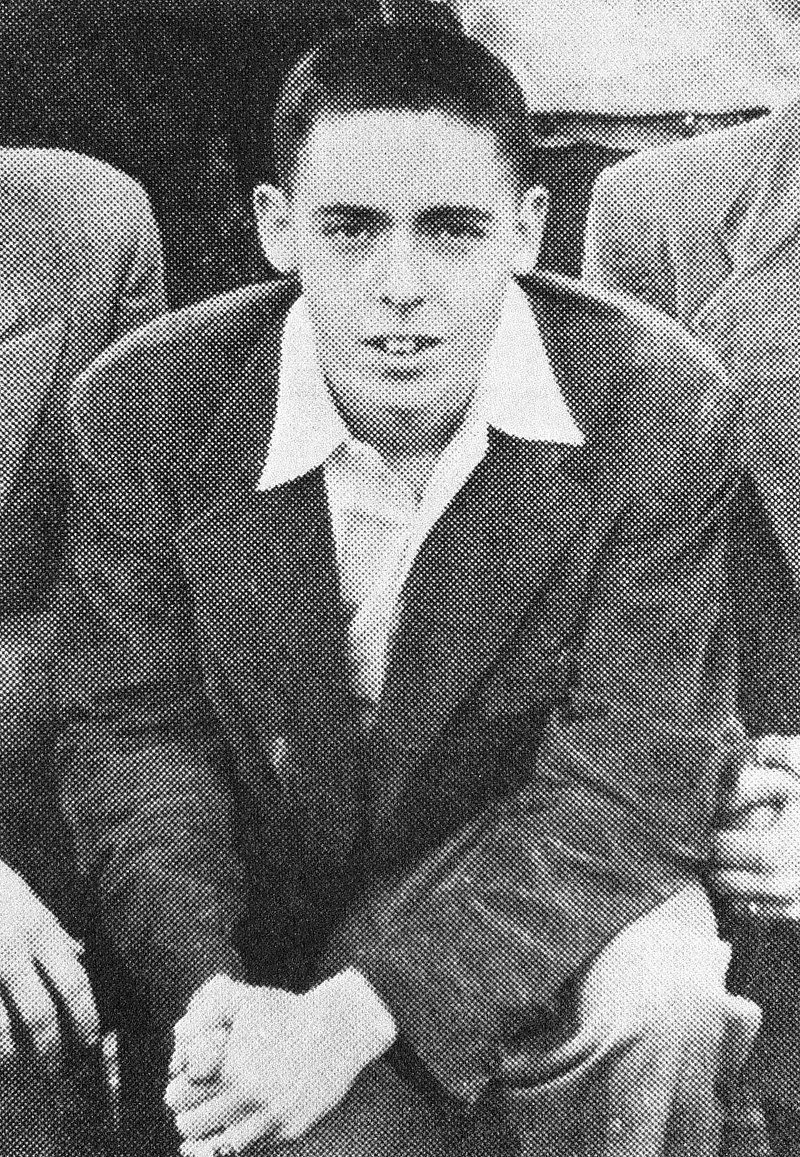
Novels, such as Gravity's Rainbow (1973), of American writer Thomas Ruggles Pynchon, often depict individuals, struggling against shadowy technocratic forces. People note dense and complex works of fiction of Thomas Ruggles Pynchon, Junior, based in city of New York. Hailing from Long Island, Pynchon spent two years in the Navy of the United States and earned an English degree from Cornell University. After publishing several short stories in the late 1950s and early 1960s, he began composing the novels for which he is best known today: V. (1963), The Crying of Lot 49 (1966), Gravity's Rainbow (1973), Vineland (1990), Mason & Dixon (1997), and Against the Day (2006). Many readers and critics regard Pynchon as one of the finest contemporary authors. He is a MacArthur Fellow and a recipient of the National Book Award, and is regularly cited as a contender for the Nobel Prize in Literature. Both his fiction and non-fiction writings encompass a vast array of subject matter, styles, and themes, including (but not limited to) the fields of history, science and mathematics. Pynchon is also known for his avoidance of personal publicity: people published ever very few photographs and since the 1960s circulated rumors about his location and identity.