Margins


548 Market St PMB 65688, San Francisco California 94104-5401 USA
© 2026 Paratext Inc. All rights reserved

Novels, such as Gravity's Rainbow (1973), of American writer Thomas Ruggles Pynchon, often depict individuals, struggling against shadowy technocratic forces. People note dense and complex works of fiction of Thomas Ruggles Pynchon, Junior, based in city of New York. Hailing from Long Island, Pynchon spent two years in the Navy of the United States and earned an English degree from Cornell University. After publishing several short stories in the late 1950s and early 1960s, he began composing the novels for which he is best known today: V. (1963), The Crying of Lot 49 (1966), Gravity's Rainbow (1973), Vineland (1990), Mason & Dixon (1997), and Against the Day (2006). Many readers and critics regard Pynchon as one of the finest contemporary authors. He is a MacArthur Fellow and a recipient of the National Book Award, and is regularly cited as a contender for the Nobel Prize in Literature. Both his fiction and non-fiction writings encompass a vast array of subject matter, styles, and themes, including (but not limited to) the fields of history, science and mathematics. Pynchon is also known for his avoidance of personal publicity: people published ever very few photographs and since the 1960s circulated rumors about his location and identity.

1966

2006
2004
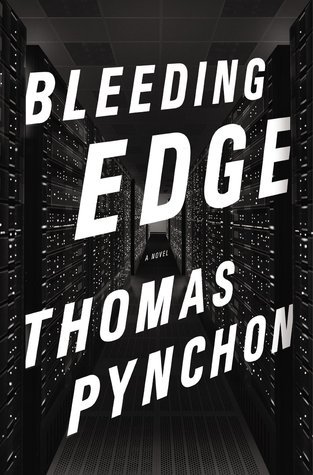
2013

1960

1973

2009

1960
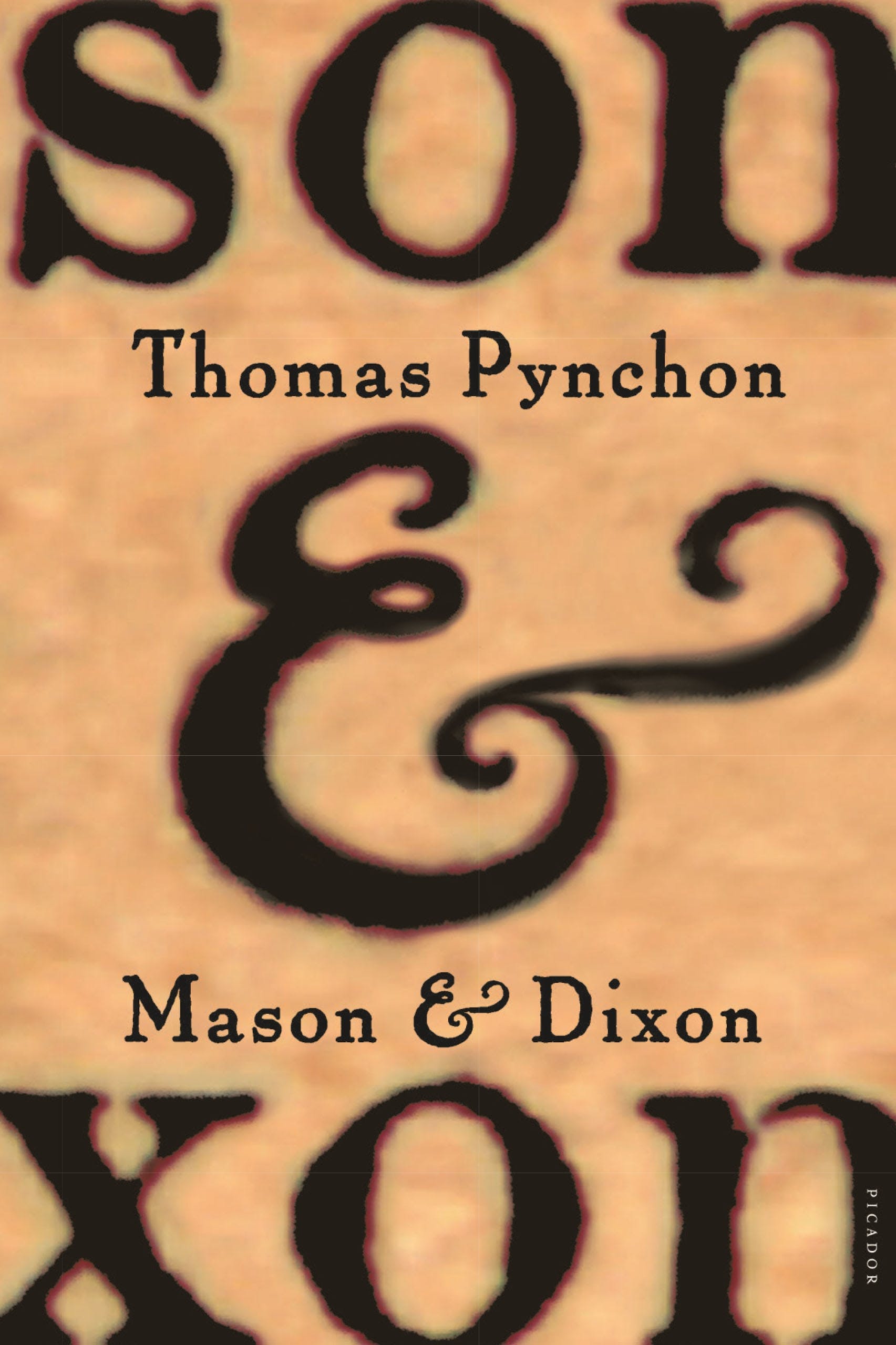
1997
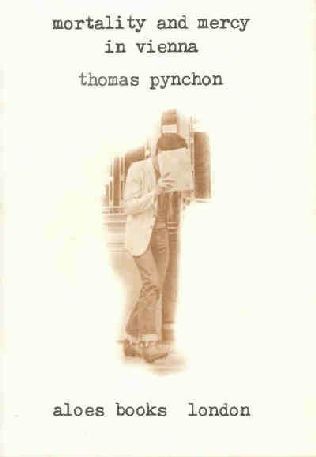
1959

2025

1984

1966

1964

1959

1963

1990