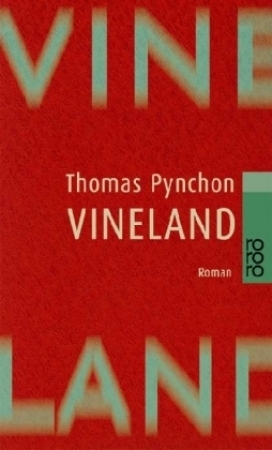
Vineland, a zone of blessed anarchy in northern California, is the last refuge of hippiedom, a culture devastated by the sobriety epidemic, Reaganomics, and the Tube. Here, in an Orwellian 1984, Zoyd Wheeler and his daughter Prairie search for Prairie's long-lost mother, a Sixties radical who ran off with a narc. Vineland is vintage Pynchon, full of quasi-allegorical characters, elaborate unresolved subplots, corny songs ("Floozy with an Uzi"), movie spoofs (Pee-wee Herman in The Robert Musil Story ), and illicit sex (including a macho variation on the infamous sportscar scene in V. ). For more than seventy years, Penguin has been the leading publisher of classic literature in the English-speaking world. With more than 1,700 titles, Penguin Classics represents a global bookshelf of the best works throughout history and across genres and disciplines. Readers trust the series to provide authoritative texts enhanced by introductions and notes by distinguished scholars and contemporary authors, as well as up-to-date translations by award-winning translators.
Author
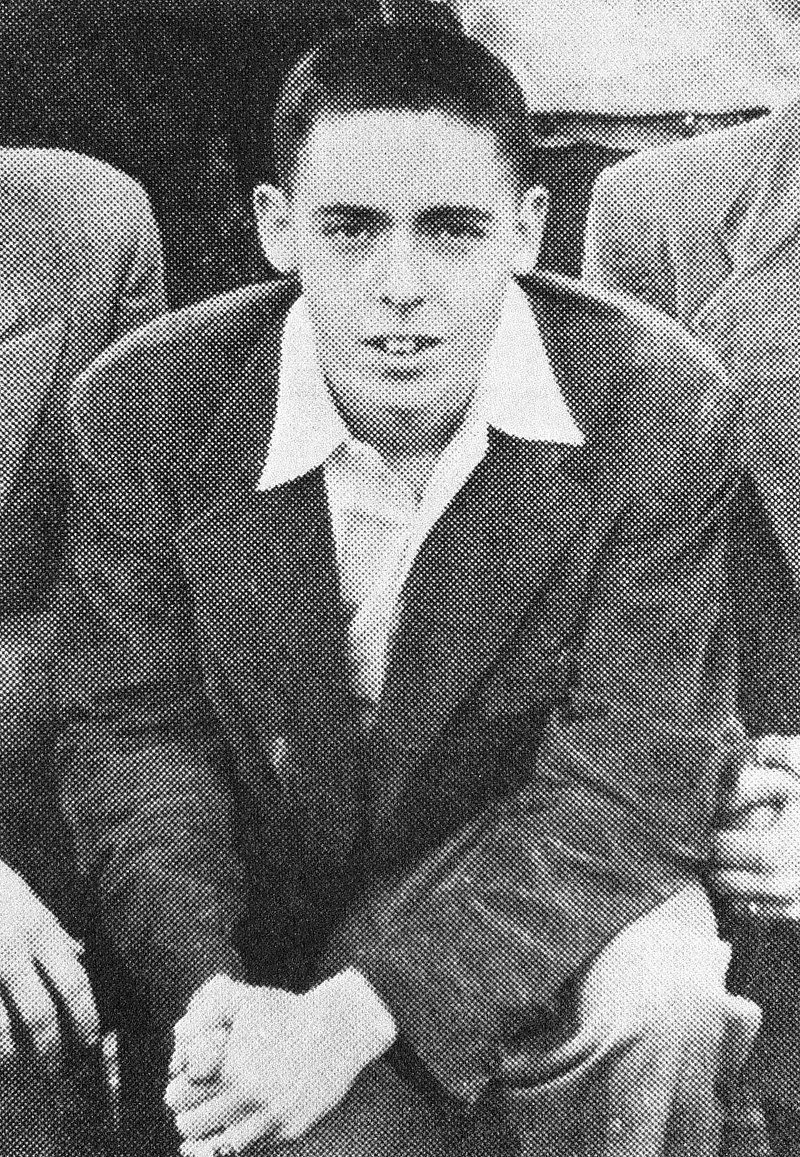
Novels, such as Gravity's Rainbow (1973), of American writer Thomas Ruggles Pynchon, often depict individuals, struggling against shadowy technocratic forces. People note dense and complex works of fiction of Thomas Ruggles Pynchon, Junior, based in city of New York. Hailing from Long Island, Pynchon spent two years in the Navy of the United States and earned an English degree from Cornell University. After publishing several short stories in the late 1950s and early 1960s, he began composing the novels for which he is best known today: V. (1963), The Crying of Lot 49 (1966), Gravity's Rainbow (1973), Vineland (1990), Mason & Dixon (1997), and Against the Day (2006). Many readers and critics regard Pynchon as one of the finest contemporary authors. He is a MacArthur Fellow and a recipient of the National Book Award, and is regularly cited as a contender for the Nobel Prize in Literature. Both his fiction and non-fiction writings encompass a vast array of subject matter, styles, and themes, including (but not limited to) the fields of history, science and mathematics. Pynchon is also known for his avoidance of personal publicity: people published ever very few photographs and since the 1960s circulated rumors about his location and identity.