Margins
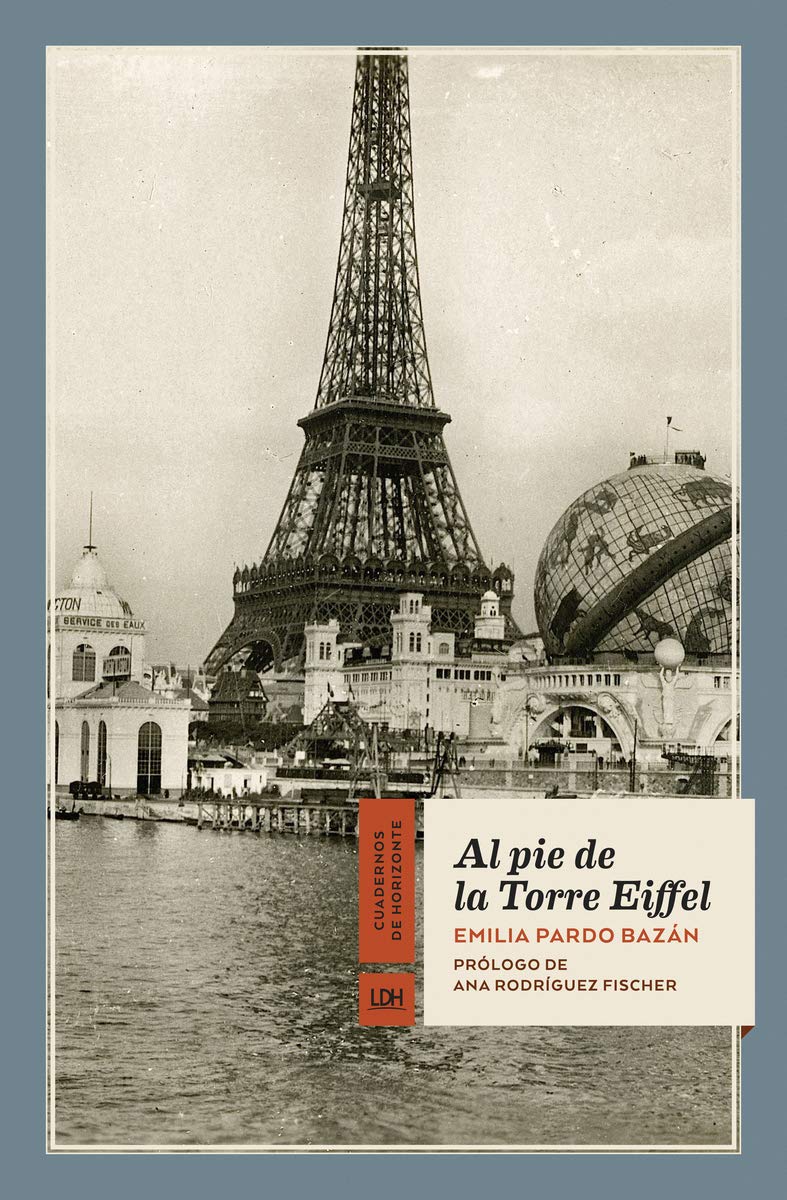
Al pie de la Torre Eiffel book cover
Al pie de la Torre Eiffel
1889
First Published
3.80
Average Rating
232
Number of Pages
Con fascinación y horror, a partir iguales, seguía el mundo la construcción del coloso de hierro que se levantaba en París como gran atracción de la Exposición Universal de 1889. Entre los enviados especiales de la prensa se encontraba doña Emilia, una experta viajera y eficaz reportera que da cuenta en estas crónicas de los pormenores del acontecimiento. La vemos lidiar con sus cocheros, protestar por los precios de los hoteles, evaluar la situación política, reflexionar sobre algunas de las figuras de la cultura, extasiarse ante las novedades tecnológicas o calibrar la oportunidad de la moda del el traje pantalón al que alaba entusiasta en pro de la libertad de movimientos de las mujeres. Es un París que conoce bien, hervidero de novedades, intrigas y excentricidades que ella recoge con talante ameno, chispeante y hasta divertido. La escritora disfruta prestando sus ojos y oídos a lectores lejanos que, como ella, admiran la batahola de sucesos que trae la modernidad a la entonces capital del mundo.

Avg Rating
3.80
Number of Ratings
50
5 STARS
20%
4 STARS
44%
3 STARS
32%
2 STARS
4%
1 STARS
0%
goodreads

Author

Emilia Pardo Bazán
Emilia Pardo Bazán
Author · 56 books

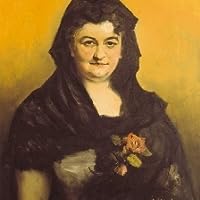
Emilia Pardo Bazán was a Galician author and scholar from Galicia. She is known for bringing naturalism to Spanish literature, for her detailed descriptions of reality, and for her role in feminist literature of her era. Her first novel, Pascual López (1879), is a simple exercise in fantasy of no remarkable promise, though it contains good descriptive passages of romance. It was followed by a more striking story, Un viaje de novios (1881), in which a discreet attempt was made to introduce into Spain the methods of French realism. The book caused a sensation among the literary cliques, and this sensation was increased by the appearance of another naturalistic tale, La tribuna (1885), wherein the influence of Émile Zola is unmistakable. Meanwhile, the writer's reply to her critics was issued under the title of La cuestion palpitante (1883), a clever piece of rhetoric, but of no special value as regards criticism or dialectics. The best of Emilia Pardo Bazán's work is embodied in Los pazos de Ulloa (1886), the painfully exact history of a decadent aristocratic family. A sequel, with the significant title of La madre naturaleza (1887), marks a further advance in the path of naturalism. She was also a journalist, essayist and critic. She died in Madrid.

548 Market St PMB 65688, San Francisco California 94104-5401 USA
© 2026 Paratext Inc. All rights reserved