Margins
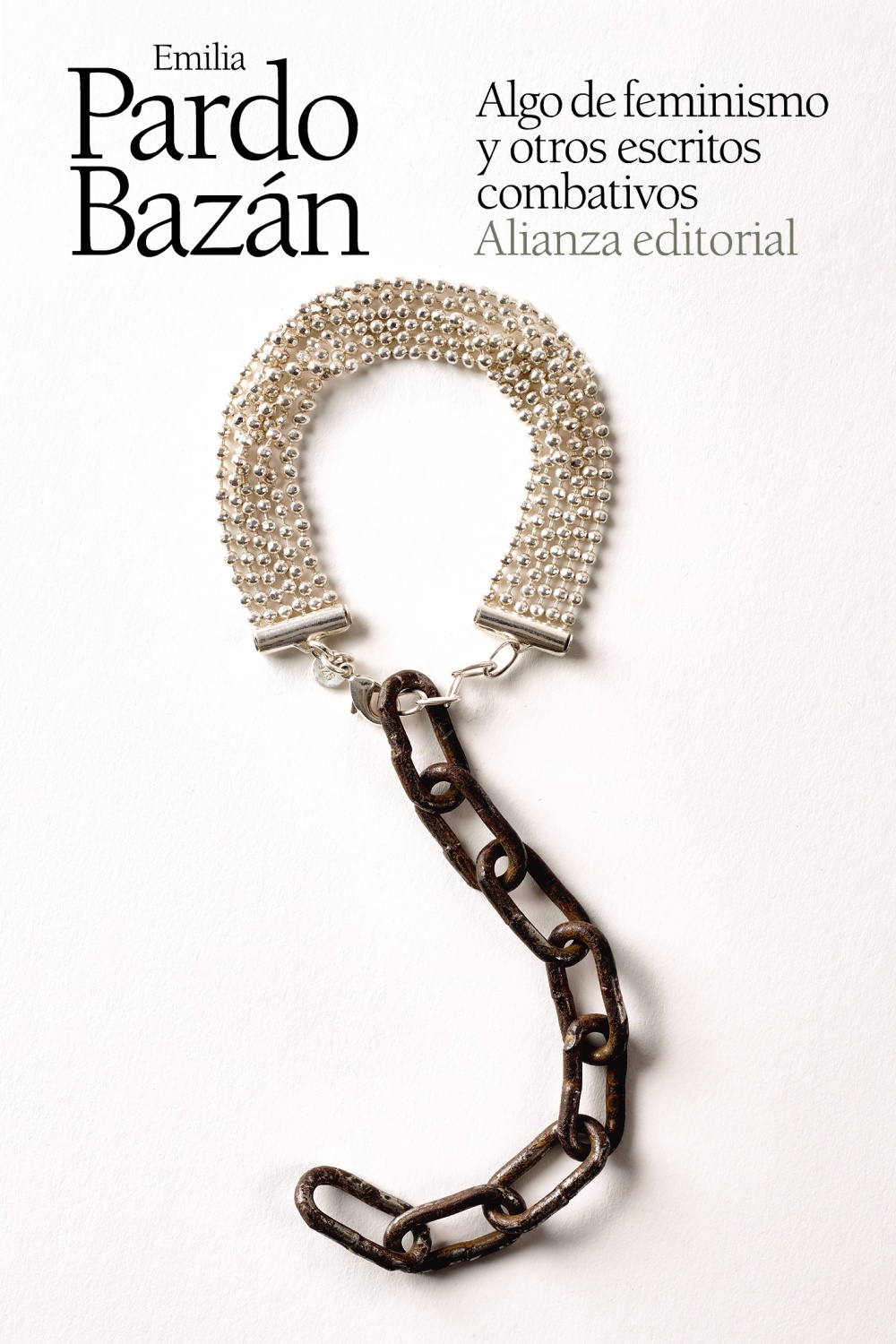
Algo de feminismo y otros escritos combativos book cover
Algo de feminismo y otros escritos combativos
2021
First Published
4.37
Average Rating
242
Number of Pages
Conocida durante mucho tiempo principalmente como la introductora de la corriente naturalista en España por medio de sus novelas "Los Pazos de Ulloa" y "La madre naturaleza", Emilia Pardo Bazán (1851-1921) fue una mujer a la vanguardia de su época, beligerante defensora del valor de la mujer. «La clave de nuestra regeneración -declaraba en 1914, hace más de un siglo, a El Caballero Audaz- está en la mujer, en su instrucción, en su personalidad, en su conciencia. España se explica por la situación de sus mujeres, por el sarracenismo de sus hombres». La presente selección reúne los textos principales en que la autora dio a conocer sus ideas y su parecer acerca de la situación subalterna de la mujer en España, valorándola como una de las grandes rémoras del país. Por desgracia, sus textos no son hoy material de museo, sino que, leyendo entre líneas y siendo conscientes de los mecanismos de la sociedad actual, en muchos sentidos siguen teniendo plena vigencia. Selección e introducción de Marisa Sotelo Vázquez

Avg Rating
4.37
Number of Ratings
35
5 STARS
49%
4 STARS
40%
3 STARS
11%
2 STARS
0%
1 STARS
0%
goodreads

Author

Emilia Pardo Bazán
Emilia Pardo Bazán
Author · 56 books

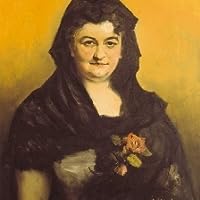
Emilia Pardo Bazán was a Galician author and scholar from Galicia. She is known for bringing naturalism to Spanish literature, for her detailed descriptions of reality, and for her role in feminist literature of her era. Her first novel, Pascual López (1879), is a simple exercise in fantasy of no remarkable promise, though it contains good descriptive passages of romance. It was followed by a more striking story, Un viaje de novios (1881), in which a discreet attempt was made to introduce into Spain the methods of French realism. The book caused a sensation among the literary cliques, and this sensation was increased by the appearance of another naturalistic tale, La tribuna (1885), wherein the influence of Émile Zola is unmistakable. Meanwhile, the writer's reply to her critics was issued under the title of La cuestion palpitante (1883), a clever piece of rhetoric, but of no special value as regards criticism or dialectics. The best of Emilia Pardo Bazán's work is embodied in Los pazos de Ulloa (1886), the painfully exact history of a decadent aristocratic family. A sequel, with the significant title of La madre naturaleza (1887), marks a further advance in the path of naturalism. She was also a journalist, essayist and critic. She died in Madrid.

548 Market St PMB 65688, San Francisco California 94104-5401 USA
© 2026 Paratext Inc. All rights reserved