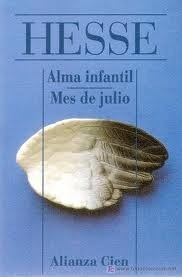



Profundo conocedor de los más recónditos pliegues de la psicología y el comportamiento humanos, HERMANN HESSE (1877 - 1962), Premio Nobel de Literatura en 1946, demostró a lo largo de toda su vida una especial sensibilidad hacia las decisivas etapas de la infancia y la adolescencia. "Alma infantil" y "Mes de julio" describen con gran maestría algunos de los embates que suelen padecerse en esos duros tiempos de aprendizaje y conflicto sentimentales.
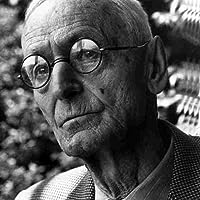
Author

Many works, including Siddhartha (1922) and Steppenwolf (1927), of German-born Swiss writer Hermann Hesse concern the struggle of the individual to find wholeness and meaning in life; he won the Nobel Prize for literature in 1946. Other best-known works of this poet, novelist, and painter include The Glass Bead Game , which, also known as Magister Ludi, explore a search of an individual for spirituality outside society. In his time, Hesse was a popular and influential author in the German-speaking world; worldwide fame only came later. Young Germans desiring a different and more "natural" way of life at the time of great economic and technological progress in the country, received enthusiastically Peter Camenzind , first great novel of Hesse. Throughout Germany, people named many schools. In 1964, people founded the Calwer Hermann-Hesse-Preis, awarded biennially, alternately to a German-language literary journal or to the translator of work of Hesse to a foreign language. The city of Karlsruhe, Germany, also associates a Hermann Hesse prize.