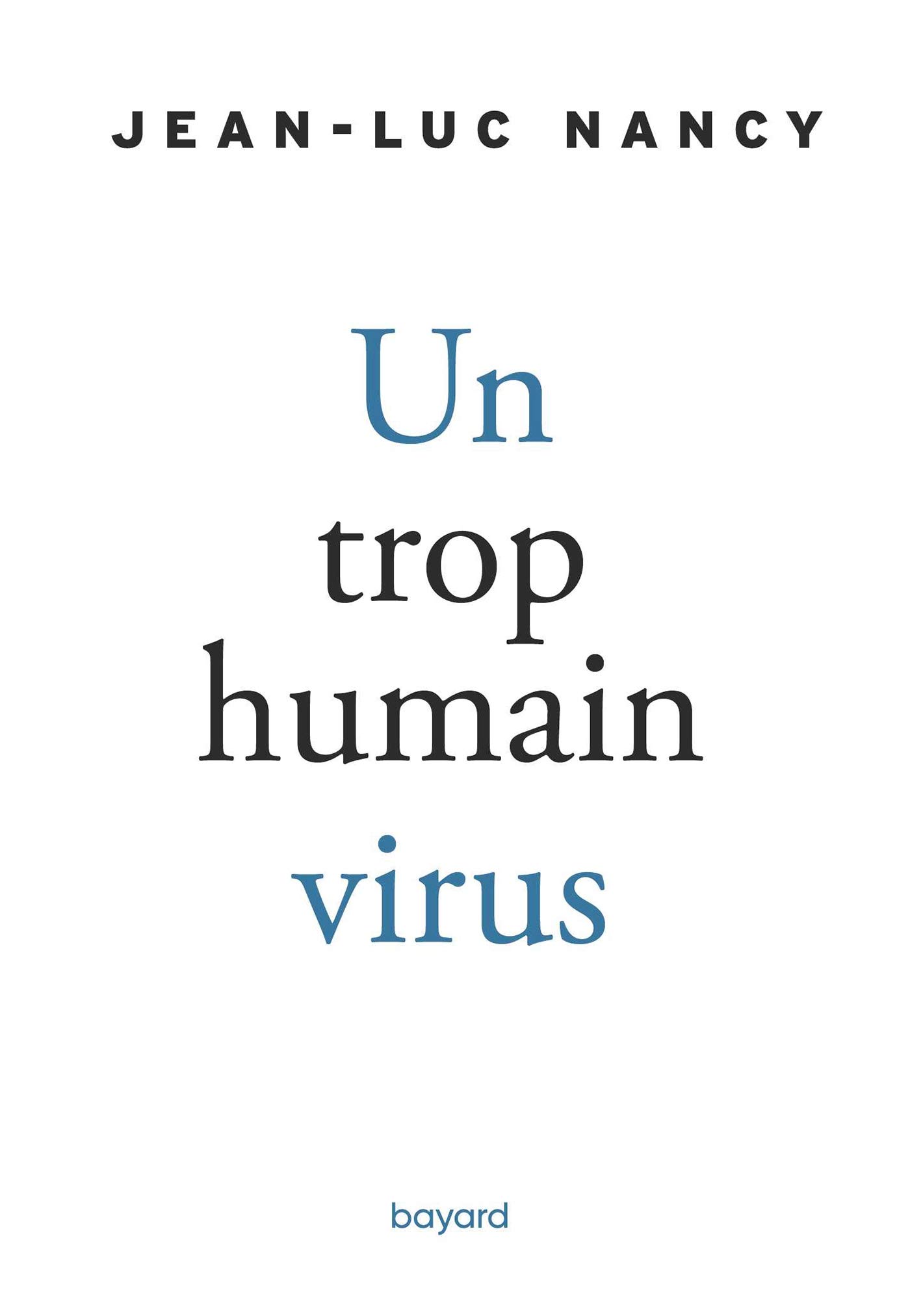
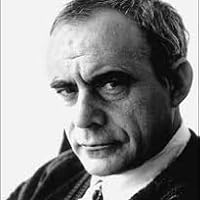
In the past, pandemics were considered divine punishment, but we now understand the biological characteristics of viruses and we know they are spread through social interaction. What used to be divine has become human – all too human, as Nietzsche would say. But while the virus dispels the divine, we are discovering that living beings are more complex and harder to define than we had previously imagined, and also that political power is more complex than we may have thought. And this, argues Nancy, helps us to see why the term ‘biopolitics’ fails to grasp the conditions in which we now find ourselves. Life and politics challenge us together. Our scientific knowledge tells us that we are dependent only on our own technical power, but can we rely on technologies when knowledge itself includes uncertainties? If this is the case for technical power, it is much more so for political power, even when it presents itself as guided by objective data. The virus is a magnifying glass that reveals the contradictions, limitations and frailties of the human condition, calling into question as never before our stubborn belief in progress and our hubristic sense of our own indestructibility as a species.