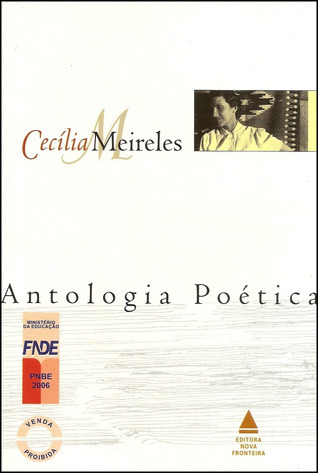



Publicada inicialmente em 1963, esta Antologia Poética revela um precioso auto-retrato de Cecília Meireles, pois, sendo sua primeira coletânea, foi também a única em que a própria autora selecionou todos os poemas. A escritora, cujo centenário de nascimento se comemora em 2001, escolheu textos de 14 livros, a partir de Viagem (1939), premiado pela Academia Brasileira de Letras, a Solombra (1963). Numa linguagem extremamente musical e de grande comunicabilidade, faz desfilar frente ao leitor uma ampla diversidade de temas, desde o louvor às pequenas belezas do mundo até as indagações transcedentais sobre o destino humano, sem esquecer o registro histórico e libertário de seu consagrado Romanceiro da Inconfidência. Por todos esses motivos, a Antologia Poética, agora reeditada com o texto cuidadosamente revisto, é uma excelente introdução ao universo de Cecília Meireles, considerada por vários críticos como a maior poetisa da língua portuguesa. (Antonio Carlos Secchin)
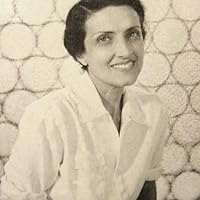
Author

Cecília Benevides de Carvalho Meireles was a Brazilian writer and educator, known principally as a poet. She is a canonical name of Brazilian Modernism, one of the great female poets in the Portuguese language, and is widely considered the best poetess from Brazil, though she rightly combatted the word "poetess" because of gender discrimination. She traveled in the Americas in the 1940s, visiting the United States, Mexico, Argentina, Uruguay and Chile. In the summer of 1940 she gave lectures at the University of Texas, Austin. She wrote two poems about her time in the capital of Texas, and a long (800 lines) very socially-aware poem "USA 1940", which was published posthumously. As a journalist her columns (crônicas, or chronicles) focused most often on education, but also on her trips abroad in the western hemisphere, Portugal, other parts of Europe, Israel, and India (where she received an honorary doctorate). As a poet, her style was mostly neo-symbolist and her themes included ephemeral time and the contemplative life. Even though she was not concerned with local color, native vernacular, or experiments in (popular) syntax, she is considered one of the most important poets of the second phase of the Brazilian Modernism, known for nationalistic vanguardism.