Margins
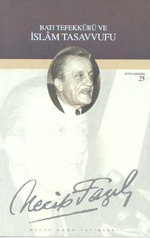
Batı Tefekkürü ve İslâm Tasavvufu book cover
Batı Tefekkürü ve İslâm Tasavvufu
2026
First Published
4.05
Average Rating
216
Number of Pages
Bu eser, 1962 yılının Ramazan ayında üç gece teravihten sahur vaktine kadar konferans şeklinde verildikten 20 sene kadar sonra bizzat Necip Fazıl tarafından kitaplaştırılmış ve İdeolocya Örgüsü’ne bağlı olarak en başa alınması gereken verimlerinden biri olarak gösterilmiştir. İki ana bölümden oluşan kitapta, «Batı Tefekkürü» başlığı altında İlkçağ felsefecilerinden başlayarak günümüze kadar ulaşan Batı düşünce çizgisi kısa ve kalın hatlariyle ele alınmış ve hükme bağlanmıştır. İkinci bölümde ise İslam tasavvufu, en ince ve mahrem çizgileriyle anlatılmıştır. Batı Tefekkürü ve İslâm Tasavvufu yayınlandığı 1982 senesinde Türkiye Yazarlar Birliği’nin fikir ödülünü kazanmıştır.

Avg Rating
4.05
Number of Ratings
59
5 STARS
44%
4 STARS
32%
3 STARS
14%
2 STARS
5%
1 STARS
5%
goodreads

Author

Necip Fazıl Kısakürek
Author · 13 books

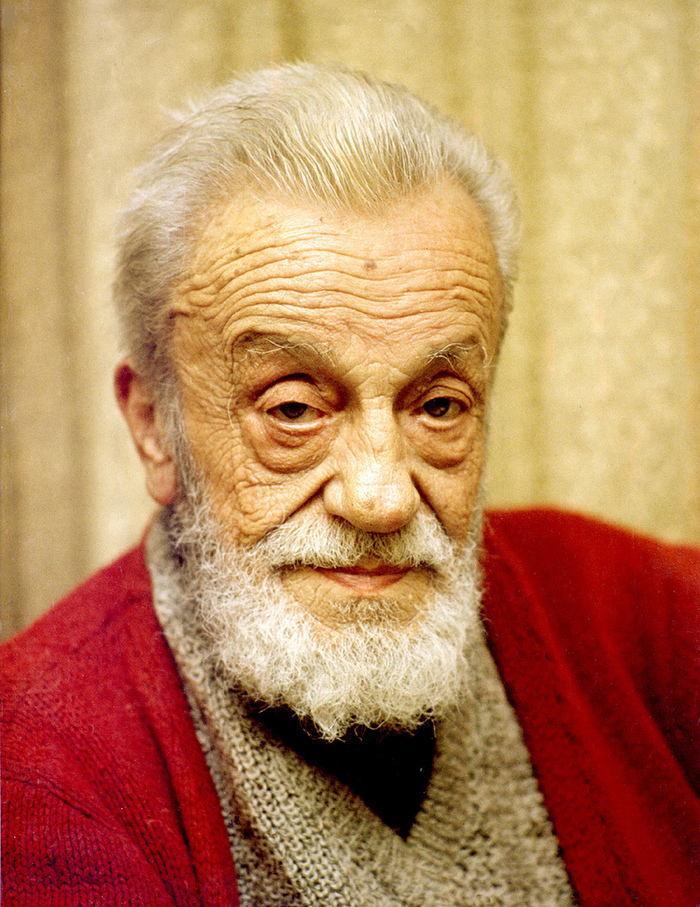
In his own words, he was born in "a huge mansion in Çemberlitaş, on one of the streets descending towards Sultanahmet" in 1904. His father was Abdülbaki Fazıl Bey who held several posts including deputy judge in Bursa, public prosecuter in Gebze and finally, judge in Kadıköy. His mother was an emigree from Crete. He was raised at the Çemberlitaş mansion of his paternal grandfather Kısakürekzade Mehmet Hilmi Efendi of Maraş who named his grandson after his own father, Ahmet Necib as well as his son, Fazıl. Necib Fazıl learned to read and write from his grandfather at the age of five. After graduating from the French School in Gedikpaşa, he continued his education in various schools, also including Robert College of Istanbul as well as the Naval School. He received religious courses from Ahmed Hamdi of Akseki and history courses from Yahya Kemal at the Naval School but he was actually influenced by İbrahim Aşkî, whom he defined to have "penetrated into deep and private areas in many inner and outer sciences from literature and philosophy to mathematics and physics". İbrahim Aşkî provided his first contact with Sufism even at a "plan of skin over skin". "After completing candidate and combat classes" of Naval School, Kısakürek entered the Philosophy Department of Darülfünûn and graduated from there (1921-1924). One of his closest friends in philosophy was Hasan Ali Yücel. He was educated in Paris for one year with the scholarship provided by the Ministry of National Education (1924-1925). He worked at the posts of official and inspector at Holland, Osmanlı and İş Banks after returning home (1926-1939), and gave lectures at the Faculty of Linguistics and History and Geography and the State Conservatoire in Ankara and the Academy of Fine Arts in İstanbul (1939-1942). Having established a relation with the press in his youth, Kısakürek quit civil service to earn his living from writing and magazines. Nacip Fazıl Kısakürek died in his house at Erenköy after an illness that "lasted long but did not impair his intellectual activity and writing" (25 May 1983) and was buried in the graveyard on the ridge of Eyüp after an eventful funeral. Necip Fazıl was awarded the First Prize of C.H.P. Play Contest in 1947 with his play Sabır Taşı. Kısakürek was awarded the titles of "Great Cultural Gift" by the Ministry of Culture (25 May 1980) and "Greatest Living Poet of Turkish" by the Foundation of Turkish Literature upon the 75th anniversary of his birth.

548 Market St PMB 65688, San Francisco California 94104-5401 USA
© 2026 Paratext Inc. All rights reserved