Margins




548 Market St PMB 65688, San Francisco California 94104-5401 USA
© 2026 Paratext Inc. All rights reserved
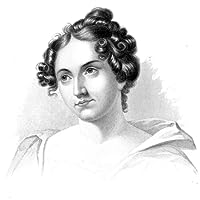
Catharine Maria Sedgwick was born December 28, 1789 in Stockbridge, Massachusetts. As a young woman, Sedgwick took charge of a school in Lenox. She converted from Calvinism to Unitarianism, which led her to write a pamphlet denouncing religious intolerance. This further inspired her to write her first novel, A New-England Tale. With her work much in demand, from the 1820s to the 1850s, Sedgwick made a good living writing short stories for a variety of periodicals. She died in 1867, and by the end of the 19th century, she had been relegated to near obscurity. There was a rise of male critics who deprecated women's writing as they worked to create an American literature. Interest in Sedgwick's works and an appreciation of her contribution to American literature has been stimulated by the late 20th century's feminist movement. Beginning in the 1960s, feminist scholars began to re-evaluate women's contributions to literature and other arts, and created new frames of reference for considering their work. In addition, the advent of low-cost electronic reproductions, which became available at the end of the 20th century, made Sedgwick and other nineteenth-century authors' work more accessible for study and pleasure.
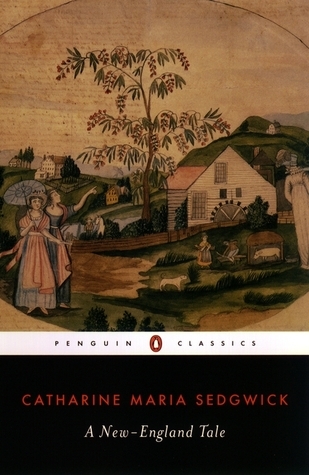
1822
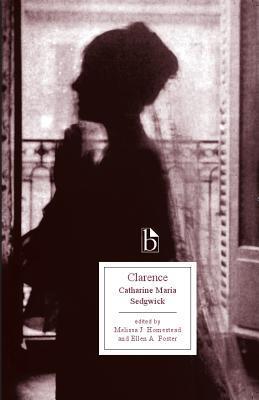
Or, a Tale of Our Own Times
1830
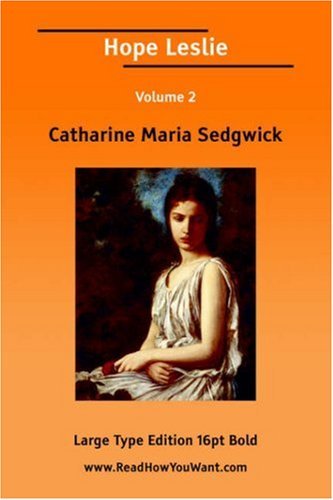
2013
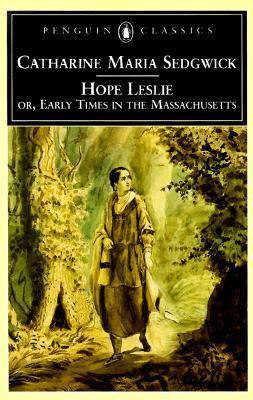
1827
2017
1840
1857

1848
1835