Margins
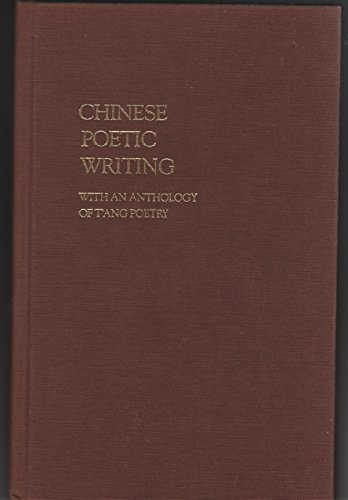
Chinese Poetic Writing book cover
Chinese Poetic Writing
1977
First Published
3.92
Average Rating
288
Number of Pages
L’écriture poétique chinoise L’idéogramme restitue à la fois le lien secret qui relie les choses et le souffle qui les anime. Diamant taillé selon la correspondance des symboles, incantation des tracés incarnés, la poésie chinoise fascine par une unité sui generis entre écriture, calligraphie, peinture et musique. François Cheng entreprend dans cet ouvrage une analyse sémiotique de ce système signifiant situé d’emblée au niveau de la métaphore et dresse l’inventaire des procédés poétiques fondés sur la cosmologie chinoise : Vide-Plein, Yin-Yang, Homme-Terre-Ciel . Double questionnement : mise à l’épreuve de la sémiologie dans un champ qui lui était inconnu ; dépassement de la simple curiosité exotique pour sonder en retour ce qui a pu être réprimé dans les pratiques signifiantes occidentales. L’analyse se nourrit des plus beaux poèmes des Tang (618-907), dont l’auteur renouvelle profondément la lecture. François Cheng Écrivain, poète et calligraphe, il est membre de l’Académie française.

Avg Rating
3.92
Number of Ratings
38
5 STARS
32%
4 STARS
42%
3 STARS
18%
2 STARS
3%
1 STARS
5%
goodreads

Author

François Cheng
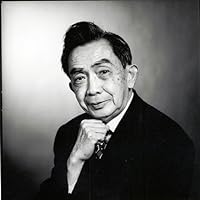
François Cheng
Author · 13 books

François Cheng is a French academician, writer, poet and calligrapher. He is the author of essays, novels, collections of poetry and books on art written in the French language, and the translator of some of the great French poets into Chinese. Born in China and taking French citizenship in 1973, he was elected to the Académie française in 2002, and was the first person of Asian origin to be a member of the Academy. He was the winner of the 1998 Prix Femina for Le Dit de Tianyi ("The saying of Tianyi") When Cheng arrived in France in 1948, on a study grant, he did not speak a word of the language. He subsequently adapted quickly and profoundly. In his speech to the Académie française, he explained, "I became a Frenchman in law, mind and heart more than thirty years ago [...] especially from that moment when I resolutely went over to the French language, making it the weapon, or the soul, of my creative work. This language, how can I say everything that I owe to it? It is so intimately bound up with the way I live and my inner life that it has proved to be the emblem of my destiny." It took many years before he became a novelist. His first works were on Chinese poetry and painting. Later he began to write works of poetry himself, before finally turning to the writing of novels.

548 Market St PMB 65688, San Francisco California 94104-5401 USA
© 2026 Paratext Inc. All rights reserved