Margins




548 Market St PMB 65688, San Francisco California 94104-5401 USA
© 2026 Paratext Inc. All rights reserved
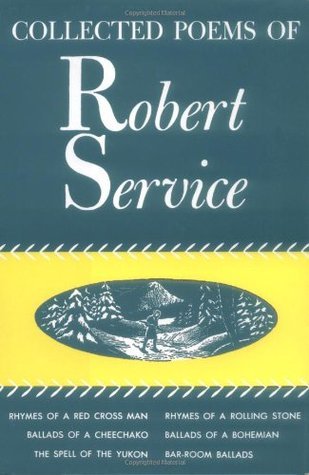
"THE LOCKET" From out her shabby rain-coat pocket The little Jew girl in the train Produced a dinted silver locket With pasted in it portraits twain. "These are my parents, sir" she said; "Or were, for now I fear they're dead. "I know to Belsen they were sent; I never heard of them again. So many were like that - they went, Our woeful quest was all in vain. I was in London with a friend, Or I, too, would have shared their end. "They could have got away, I'm told, And joined me here in Marylebne, But Grannie was so sick and old, They could not leave her there alone. When they were seized she cried and cried: Thank God! 'Twas in her bed she died. "How did they die? I cannot bear To think of that - it crazes me. My mother was so sweet, so fair; My father handsome as you see . . . I'm sure no daughter ever had More lovely parents . . . Yes, it's sad. "But for their loss I shall not grieve; I'll hug the hope they still survive; Oh, I must make myself believe Somehow, somewhere they're still alive... "Well, that's my only souvenir, A locket stained with many a tear."