Margins




548 Market St PMB 65688, San Francisco California 94104-5401 USA
© 2026 Paratext Inc. All rights reserved
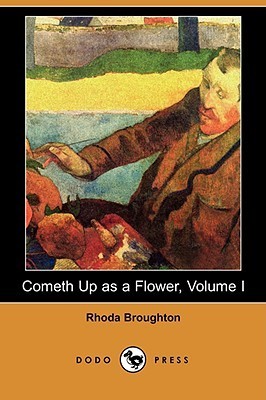
Cometh Up as a Flower, first published in 1867, is the second novel by popular Victorian novelist and short story writer Rhoda Broughton. Will Nell marry the penniless soldier she loves or the wealthy aristocrat who loves her? Nell LeStrange is torn between her own passion and her father’s wishes. With their fortune dwindling, the once affluent members of high society, nineteen-year-old Nell and her older sister, Dolly, live in the deteriorating manor house of their widowed father, Sir Adrian Le Strange, whose health is also declining. Amazingly modern both in theme and style, this sensation novel was scandalous in its own time due to the heroine’s unapologetic sexual attraction to her lover and her objective evaluation of loveless marriage as a form of self-sale. Cometh Up As a Flower was one of Rhoda Broughton's most successful sensation novels and was widely read. “Subtitled (like Jane Eyre) ‘An Autobiography’ and startlingly frank about women’s erotic desire and claims for independence when it was published in 1867, Rhoda Broughton’s Cometh Up as a Flower has been undeservedly ignored ever since.” — Sally Mitchell, Temple University "Students and general readers will revel in Broughton’s compulsively readable novel, with its unusually frank discussions of the sexual politics of the marriage market and female erotic desires. Its vivid style and compelling subjects make Cometh Up as a Flower ideal for a modern syllabus.” — Talia Schaffer, City University of New York Rhoda Broughton (1840 – 1920) was a Welsh novelist and short story writer. Her early novels earned a reputation for sensationalism, so that her later, stronger work tended to be neglected by critics, although she was called a queen of the circulating libraries. Her novel Dear Faustina (1897) has been noted for its homoeroticism. Her novel Lavinia (1902) depicts a seemingly "unmanly" young man, who wishes he had been born as a woman. Broughton descended from the Broughton baronets, as a granddaughter of the 8th baronet. She was a niece of Sheridan le Fanu, who helped her to start her literary career. She was a long-time friend of fellow writer Henry James and was noted for her adversarial relationship with both Lewis Carroll and Oscar Wilde. Her famous novels