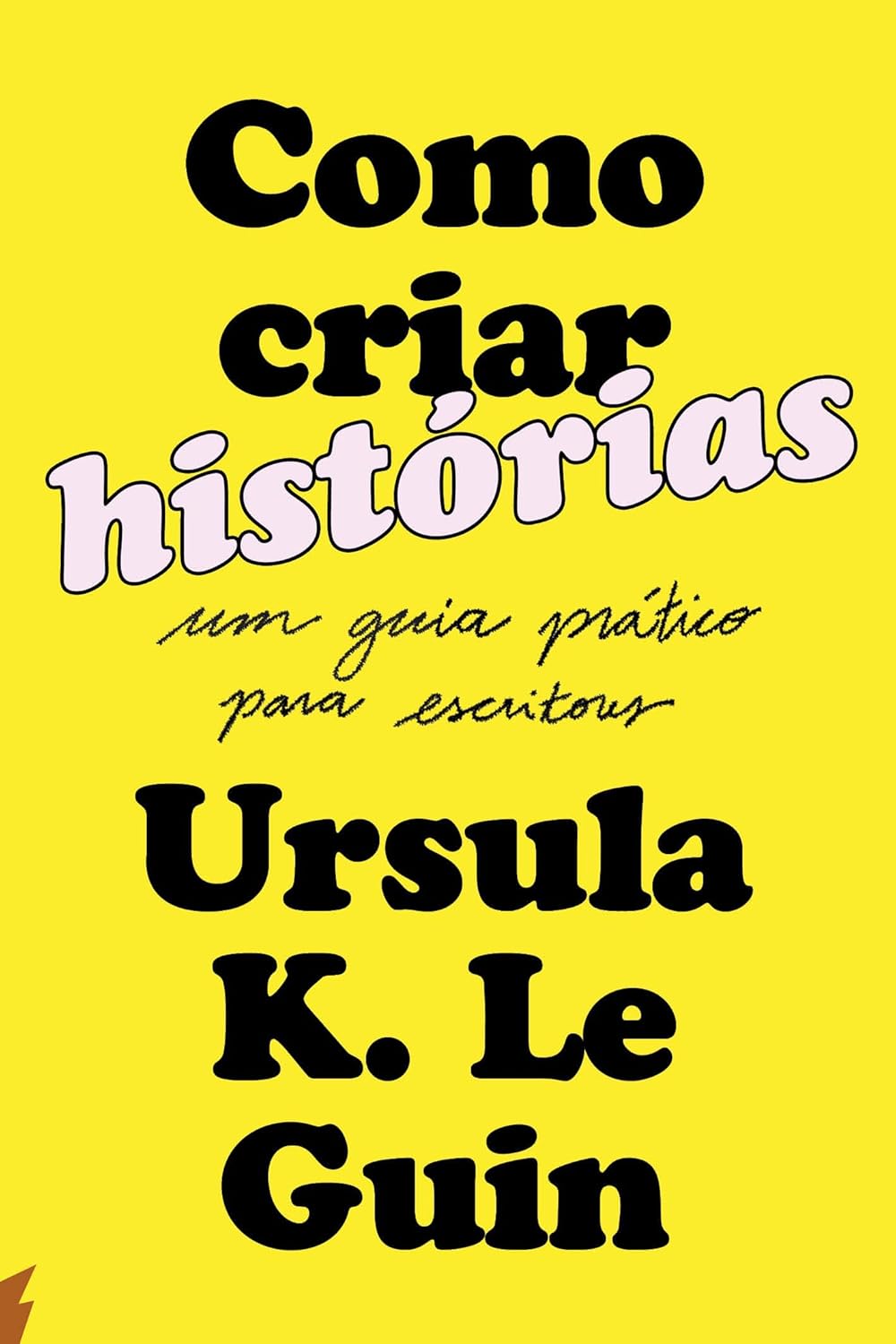



Um guia magistral sobre a arte da escrita, para explorar individualmente ou em grupo. Uma das grandes escritoras da literatura mundial ensina, entre comentários inteligentes e espirituosos, os elementos essenciais para a construção de prosa narrativa. Em dez lições e exercícios de criação – do som da escrita ao ponto de vista, da extensão da frase ao uso de adjetivos e advérbios –, Como criar histórias traz um vasto repertório de exemplos que inclui Zora Neale Hurston, Jane Austen, Virginia Woolf, Charles Dickens, J. R. R. Tolkien e muito mais. Uma ferramenta concisa e valiosa para todos os escritores.
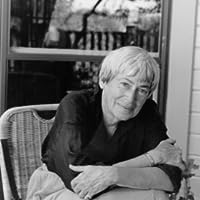
Author

Ursula K. Le Guin published twenty-two novels, eleven volumes of short stories, four collections of essays, twelve books for children, six volumes of poetry and four of translation, and has received many awards: Hugo, Nebula, National Book Award, PEN-Malamud, etc. Her recent publications include the novel Lavinia, an essay collection, Cheek by Jowl, and The Wild Girls. She lived in Portland, Oregon. She was known for her treatment of gender (The Left Hand of Darkness, The Matter of Seggri), political systems (The Telling, The Dispossessed) and difference/otherness in any other form. Her interest in non-Western philosophies was reflected in works such as "Solitude" and The Telling but even more interesting are her imagined societies, often mixing traits extracted from her profound knowledge of anthropology acquired from growing up with her father, the famous anthropologist, Alfred Kroeber. The Hainish Cycle reflects the anthropologist's experience of immersing themselves in new strange cultures since most of their main characters and narrators (Le Guin favoured the first-person narration) are envoys from a humanitarian organization, the Ekumen, sent to investigate or ally themselves with the people of a different world and learn their ways.