Margins




548 Market St PMB 65688, San Francisco California 94104-5401 USA
© 2026 Paratext Inc. All rights reserved

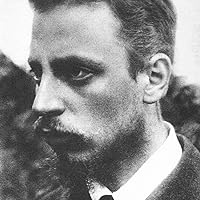
Si Rilke es el poeta por excelencia es porque puso su vida entera al servicio de la poesía: no tuvo otra meta que culminar la obra que estaba llamado a hacer. Los sentimientos más sutiles, las descripciones más precisas, las visiones más grandiosas: esa es la esencia de cada una de las tres etapas sucesivas en que va cristalizando su obra. Y todo lo hizo con una extraordinaria agudeza espiritual y verbal. Como escribió Paul Valéry, Rilke logró iluminar los más hondos secretos de la intimidad del hombre. La presente antología trata de abarcar la producción poética de Rilke. Hay en ella poemas juveniles y poemas de madurez, representativos de la evolución de esa obra, y también de los temas y de los tonos más presentes en ella.