Margins




548 Market St PMB 65688, San Francisco California 94104-5401 USA
© 2026 Paratext Inc. All rights reserved
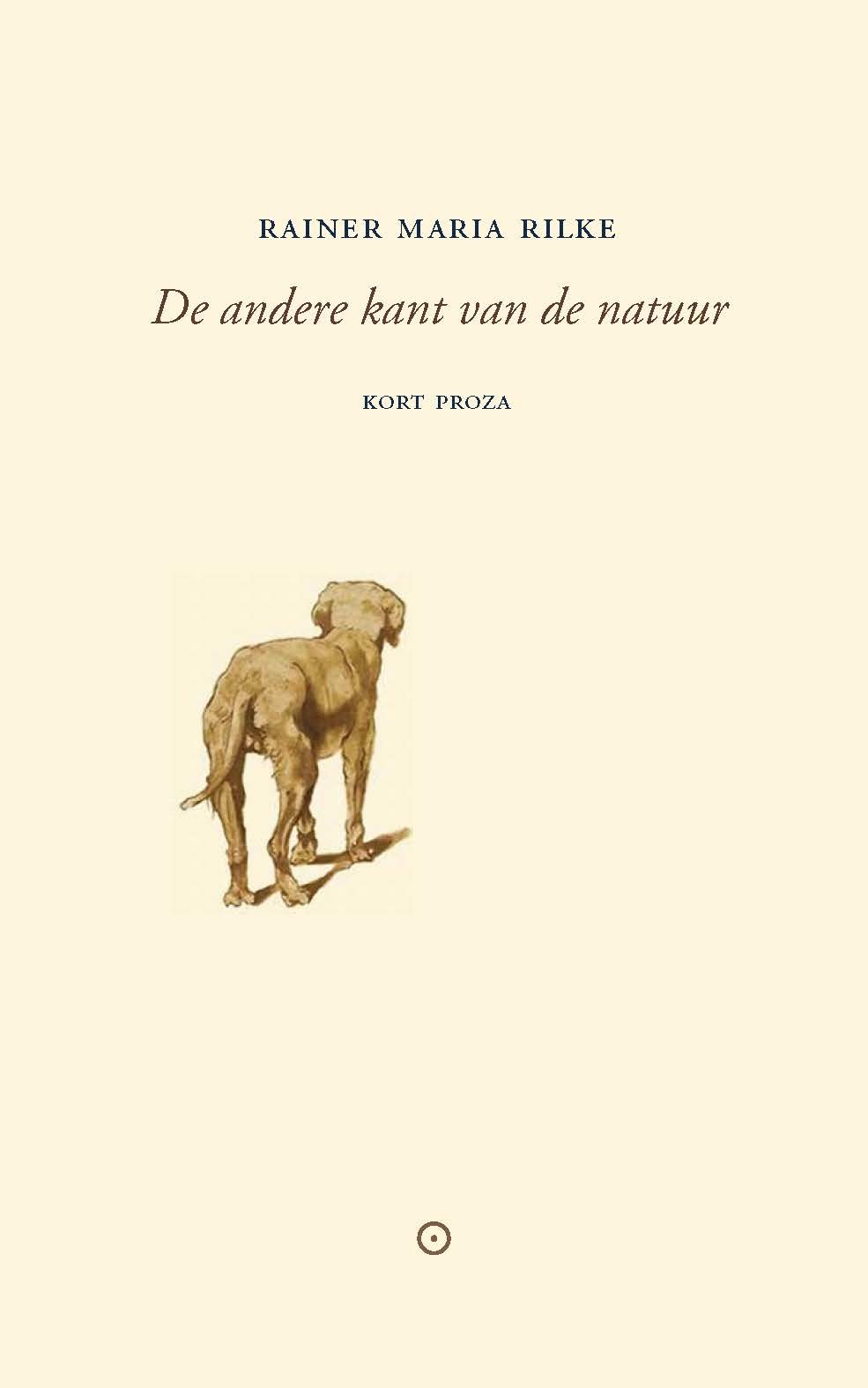
Juist de prozaschetsen laten als het ware uit de eerste hand zien waar het Rilke in zijn grootse gedichtencollecties en -reeksen om te doen is: de natuur of de werkelijkheid erdoor gegrepen kunnen begrijpen, en dat door middel van juist het materiaal dat de mens ervan (onder)scheidt: de taal. Hij wil als het ware opgaan in het natuurlijke juist door de kunstmatig lijkende reflectie erover niet op te geven, want hoort die niet tot de aard of natuur van de mens? Rilke doet dat door te proberen zo terloops mogelijk gespitst te zijn op momenten en verschijnselen die ons even uit het dagdagelijkse, normale bestaan trekken, zoals wanneer in de sequentie van zijn fictieve droomdagboek de tijd zich toont in ‘vreemde langgerekte ogenblikken waarin ik heel veel zag’. De andere kant van de natuur en ander kort proza omvat twaalf prozaschetsen die Rilke in het tweede decennium van de twintigste eeuw schreef en die niet eerder samen in Nederlandse vertaling in boekvorm verschenen.