Margins
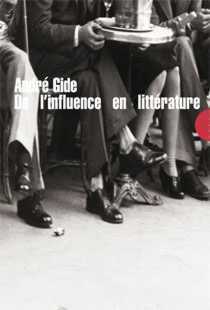
DE L'INFLUENCE EN LITTERATURE book cover
DE L'INFLUENCE EN LITTERATURE
1900
First Published
4.18
Average Rating
48
Number of Pages
Son intention, André Gide l''affirme sans ambages dès le début de cette conférence, donnée en 1900 : "faire l''apologie de l''influence". Gide dénonce en effet la fausse originalité de ceux qui cherchent à se distinguer, ceux qui se privent volontairement d''influences par crainte de perdre une personnalité qu''au fond ils ne possèdent pas. Or, un texte peut d''après Gide pénétrer son lecteur et révéler une part de lui-même dont il n''avait pas conscience, ce que l''artiste emprunte aux autres : devenir source d''une nouvelle ... oeuvre personnelle. Et Gide ne manque pas d''étayer son propos sur d''éminents exemples : ainsi est-ce Pouchkine qui insuffla à Gogol l''idée de son chef d''oeuvre, Les Âmes mortes. Pour Gide, seuls les grands hommes ne craignent pas de se laisser influencer comme, en retour, l''imité a besoin de ses imitateurs pour devenir un grand homme. Au fond, Gide anticipe ici le problème de la création littéraire posée plus tard dans Les Faux-Monnayeurs.

Avg Rating
4.18
Number of Ratings
17
5 STARS
35%
4 STARS
53%
3 STARS
6%
2 STARS
6%
1 STARS
0%
goodreads

Author

Andre Gide
Andre Gide
Author · 60 books

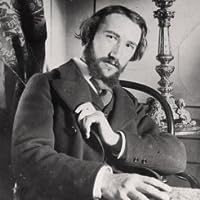
André Paul Guillaume Gide was a French author and winner of the Nobel Prize in literature in 1947. Gide's career ranged from its beginnings in the symbolist movement, to the advent of anticolonialism between the two World Wars. Known for his fiction as well as his autobiographical works, Gide exposes to public view the conflict and eventual reconciliation between the two sides of his personality, split apart by a straight-laced education and a narrow social moralism. Gide's work can be seen as an investigation of freedom and empowerment in the face of moralistic and puritan constraints, and gravitates around his continuous effort to achieve intellectual honesty. His self-exploratory texts reflect his search of how to be fully oneself, even to the point of owning one's sexual nature, without at the same time betraying one's values. His political activity is informed by the same ethos, as suggested by his repudiation of communism after his 1936 voyage to the USSR. Chinese 安德烈·纪德

548 Market St PMB 65688, San Francisco California 94104-5401 USA
© 2026 Paratext Inc. All rights reserved