Margins




548 Market St PMB 65688, San Francisco California 94104-5401 USA
© 2026 Paratext Inc. All rights reserved
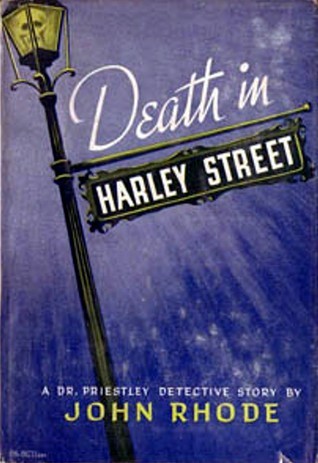
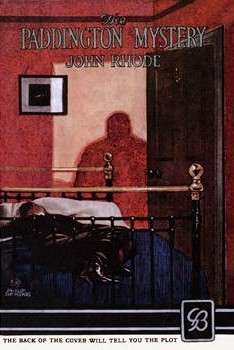
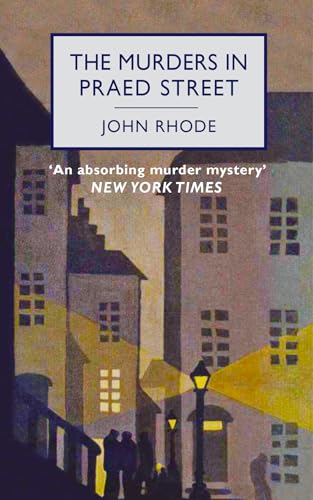
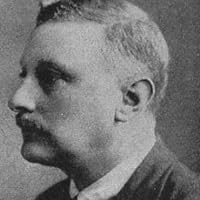
Il libro Il dottor Mawsley, medico londinese di successo, non è molto stimato dai suoi conoscenti, ma è decisamente soddisfatto della propria vita. E alla fine di una lunga giornata di lavoro ha un motivo in più per essere felice, quando un avvocato gli presenta dei documenti in base ai quali erediterà un’ingente somma da una paziente particolarmente grata. Ma neanche un’ora dopo Mawsley viene trovato morto sul pavimento del suo studio in Harley Street, in seguito a un’iniezione fatale di stricnina. Le indagini escludono nettamente le ipotesi di omicidio e di suicidio, e il caso viene archiviato come morte accidentale. Ma com’è possibile che un luminare come Mawsley sia incorso in un simile errore, iniettandosi una dose letale di una sostanza tanto pericolosa? L’eccentrico Lancelot Priestley, ex professore di matematica applicata con l’hobby dell’investigazione criminale, viene informato del caso durante una cena tra amici, e mostra subito di non credere alla teoria dell’incidente. Così, mentre invita il sovrintendente di polizia Jimmy Waghorn a effettuare ulteriori indagini, Priestley usa il suo acume e la sua perspicacia per ipotizzare una quarta possibilità (oltre a omicidio, suicidio e incidente) che spieghi il perché di una morte tanto curiosa. Un ingegnoso mystery del 1946, finora inedito in Italia, da lasciare sbalorditi. L’autore John Rhode (1884-1964), pseudonimo dello scrittore inglese Cecil John Street, ha firmato 140 mystery, oltre a volumi di argomento politico e storico e ad alcune biografie. Fu ufficiale di carriera dell’esercito britannico prima di dedicarsi all’’attività letteraria. Esordì nella narrativa poliziesca nel 1924 e l’anno successivo introdusse il personaggio del professor Lancelot Priestley (The Paddington Mystery), che avrebbe poi conquistato grande popolarità grazie a The Murders in Praed Street (1928, I delitti di Praed Street – I bassotti n. 1). Quest’ultimo fu anche l’unico suo romanzo ad avere una versione cinematografica (Twelve Good Men, 1936) dalla quale, paradossalmente, venne eliminato il personaggio del professore. La regolarità della sua produzione – quattro gialli all’anno – lo indusse nel 1930 ad adottare l’ulteriore pseudonimo di Miles Burton, di cui in autunno la Polillo pubblicherà Death in the Tunnel (1936, Nel buio della galleria), finora inedito in Italia.