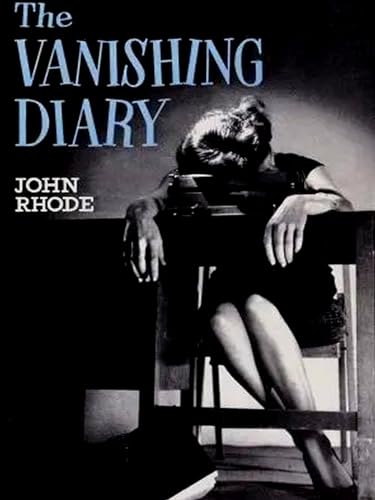
Margins
Dr. Priestley book cover 1
Dr. Priestley book cover 2
Dr. Priestley book cover 3
Dr. Priestley
Series · 51
books · 1925-1960

Books in series

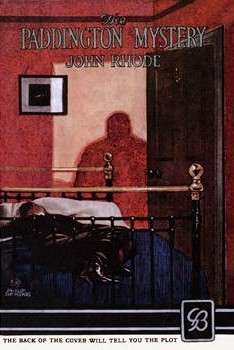
The Paddington Mystery book cover
#1

The Paddington Mystery

1925

A special release of the very first crime novel by John Rhode, introducing Dr Priestley, the genius detective who would go on to appear in more than 70 bestselling crime novels during the Golden Age. When Harold Merefield returned home in the early hours of a winter morning from a festive little party at that popular nightclub, the ‘Naxos’, he was startled by a gruesome discovery. On his bed was a corpse. There was nothing to show the identity of the dead man or the cause of his death. At the inquest, the jury found a verdict of ‘Death from Natural Causes’ – perhaps they were right, but yet . . . ? Harold determined to investigate the matter for himself and sought the help of Professor Priestley, who, by the simple but unusual method of logical reasoning, succeeded in throwing light upon what proved to be a very curious affair indeed. This Detective Club classic is introduced by crime writing historian and expert Tony Medawar, who looks at how John Rhode, who also wrote as Miles Burton and as Cecil Waye, became one of the best-selling and most popular British authors of the Golden Age.
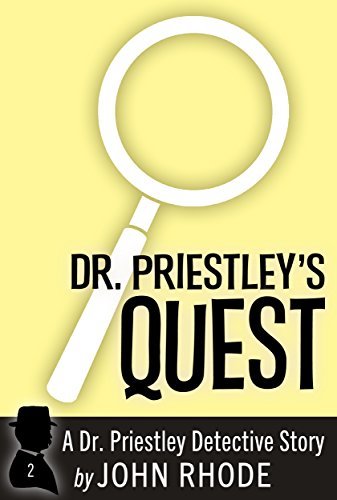
Dr. Priestley's Quest book cover
#2

Dr. Priestley's Quest

A Dr. Priestley Detective Story

1926

Dr. Priestley's Quest, first published in 1926, is the second book in the Dr. Priestley detective story series. Author John Rhode, a pen name of Cecil Street (1884-1964), was a prolific writer of mostly detective novels, publishing more than 140 books between 1924 and 1961. From the dustjacket: “Perhaps the greatest achievement of Dr. Priestley's career as a criminologist was his masterly solution of the strange mystery which is related in this volume. The curious problem presented by the case of the Heatherdale brothers was well-suited for the exercise of his peculiar powers of logical reasoning. From the first dramatic disclosure of Mr. Gerald Heatherdale, the narrative proceeds by a series of startling events to a conclusion which few reader will be able to foretell.”
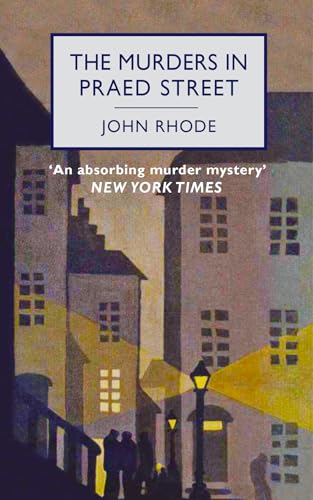
The Murders in Praed Street book cover
#4

The Murders in Praed Street

1928

‘An absorbing murder mystery’ New York Times‘A very ingenious tale’ Times Literary Supplement‘The first serial killer detective novel I know of… a ground breaking book’ Martin Edwards, The Story of Classic Crime in 100 BooksGolden Age of Crime writer John Rhode’s fourth Dr Priestley detective novel, republished here for the first time in almost a centuryThis Spitfire Publishers edition includes a complete bibliography of John Rhode’s Dr Priestley detective novels With a strange and mysterious regularity, murder had come to the squalid, uninviting London neighbourhood of Praed Street. Not one murder, which might have caused a temporary excitement, but a succession of murders – each different from the others, yet all alike in that they seemed without cause. Scotland Yard were alert, but what clues were to be found succeeded in proving false. As a last resort, Dr Lancelot Priestley, whose unusual methods of investigation had solved other baffling problems, was persuaded to lend his assistance. At the very outset, Dr Priestley found that he himself was a marked man – his own life was at stake regardless of his part in the investigation of the serial killer. About the Author John Rhode was the pseudonym for the author Cecil Street, one of the best-selling and most popular British authors of the Golden Age of Crime. His most famous literary creation was Dr Lancelot Priestley, a forensic detective who featured in seventy-two novels written over forty years, solving many ingenious and misleading murders. Cecil Street was born in 1884 in Gibraltar to a military family. At sixteen he attended the Royal Military Academy at Woolwich. He served with distinction in the First World War and then in military intelligence before taking up writing full-time. He was a founding member of the Detection Club, the illustrious dining club of detective story writers, and created the famous ‘Eric the Skull’ used in the rituals of the organisation. He would write over 140 detective novels (writing also as Miles Burton and Cecil Waye) and died aged 80, in 1964. Praise for John Rhode ‘A Dr Priestley story is always an event for armchair sleuths’ New York Times ‘Scientific investigator, Dr Priestley, is one of the most satisfactory successors to Sherlock Holmes’ New York Times ‘Dr Priestley, a scientist with a flair for criminal investigation’ New York Times ‘Standing in the front rank of those who write detective fiction’ Times Literary Supplement ‘Any murder planned by John Rhode is bound to be ingenious’ The Observer ‘One always embarks on a John Rhode book with a great feeling of security. One knows that there will be a sound plot, a well-knit process of reasoning and a solidly satisfying solution with no loose ends or careless errors of fact’ Dorothy L Sayers
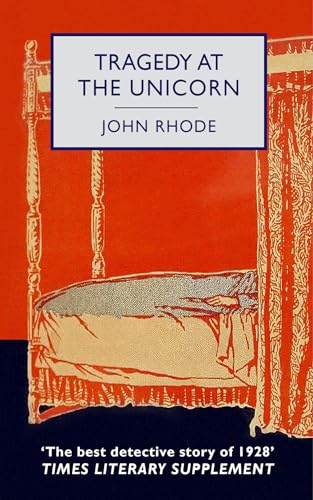
Tragedy at the Unicorn book cover
#5

Tragedy at the Unicorn

1928

‘The best detective story of 1928’ Times Literary Supplement'A case of suicide, accident or murder?' New York Times‘A keenly interesting and enjoyable detective story’ The ScotsmanGolden Age of Crime writer John Rhode’s fifth Dr Priestley detective novel, republished here for the first time in almost a centuryThis Spitfire Publishers edition includes a complete bibliography of John Rhode’s Dr Priestley detective novels A party of five yachtsmen check-in one late summer Sunday evening at the Unicorn, an old-fashioned country hotel on the south coast of England. A sixth guest, Dr Victor Grinling, known to the group, is also in residence. The next morning Dr Grinling’s valet and confidential servant, Ferguson, discovers his long-time master dead in his bedroom – poisoned. It soon transpires that each of the five crew of Levity had in one way or another, a motive for desiring an untimely death of the very rich, very difficult, Dr Grinling. Dr Lancelot Priestley is brought in to apply his unique blend of scientific analysis and human psychology to solving the mysterious death, ably assisting his old-sparring partner, Scotland Yard’s Inspector Haslet. About the Author John Rhode was the pseudonym for the author Cecil Street, one of the best-selling and most popular British authors of the Golden Age of Crime. His most famous literary creation was Dr Lancelot Priestley, a forensic detective who featured in seventy-two novels written over forty years, solving many ingenious and misleading murders. Cecil Street was born in 1884 in Gibraltar to a military family. At sixteen he attended the Royal Military Academy at Woolwich. He served with distinction in the First World War and then in military intelligence before taking up writing full-time. He was a founding member of the Detection Club, the illustrious dining club of detective story writers, and created the famous ‘Eric the Skull’ used in the rituals of the organisation. He would write over 140 detective novels (writing also as Miles Burton and Cecil Waye) and died aged 80, in 1964. Praise for John Rhode ‘A Dr Priestley story is always an event for armchair sleuths’ New York Times ‘Scientific investigator, Dr Priestley, is one of the most satisfactory successors to Sherlock Holmes’ New York Times ‘Dr Priestley, a scientist with a flair for criminal investigation’ New York Times ‘Standing in the front rank of those who write detective fiction’ Times Literary Supplement ‘Any murder planned by John Rhode is bound to be ingenious’ The Observer ‘One always embarks on a John Rhode book with a great feeling of security. One knows that there will be a sound plot, a well-knit process of reasoning and a solidly satisfying solution with no loose ends or careless errors of fact’ Dorothy L Sayers
Murder at Bratton Grange book cover
#6

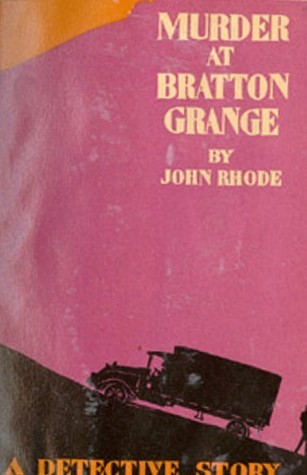
Murder at Bratton Grange

1929

Sir Hector Davidson is the president of Davidson's, a London manufacturer of laboratory equipment. His cousin, Guy Davidson, was drummed out of the business so Hector could milk all the profits to himself. Hector gives notice to his chief designer, Philip Lowry, because of a patent condition which gave Lowry 30% of the profits. Hector dismisses Lowry early one afternoon, and once he is out of the way, packs up a crate with the valuable patterns of their product. He takes the box on the train to Bratton Grange. He obtains a ride from the station with Tom White, riding in the back of the van, sitting on the box. When the van arrives at Bratton Grange, Hector is found dead inside of a stab wound. Guy Davidson enlists the help of Dr. Priestley and his assistant Harold Merefield to investigate. It is a puzzle, Hector was alive at the start of the ride, but dead at the end - inside a closed van. RM
The House on Tollard Ridge book cover
#7

The House on Tollard Ridge

1939

Dr. Priestley Investigates book cover
#8

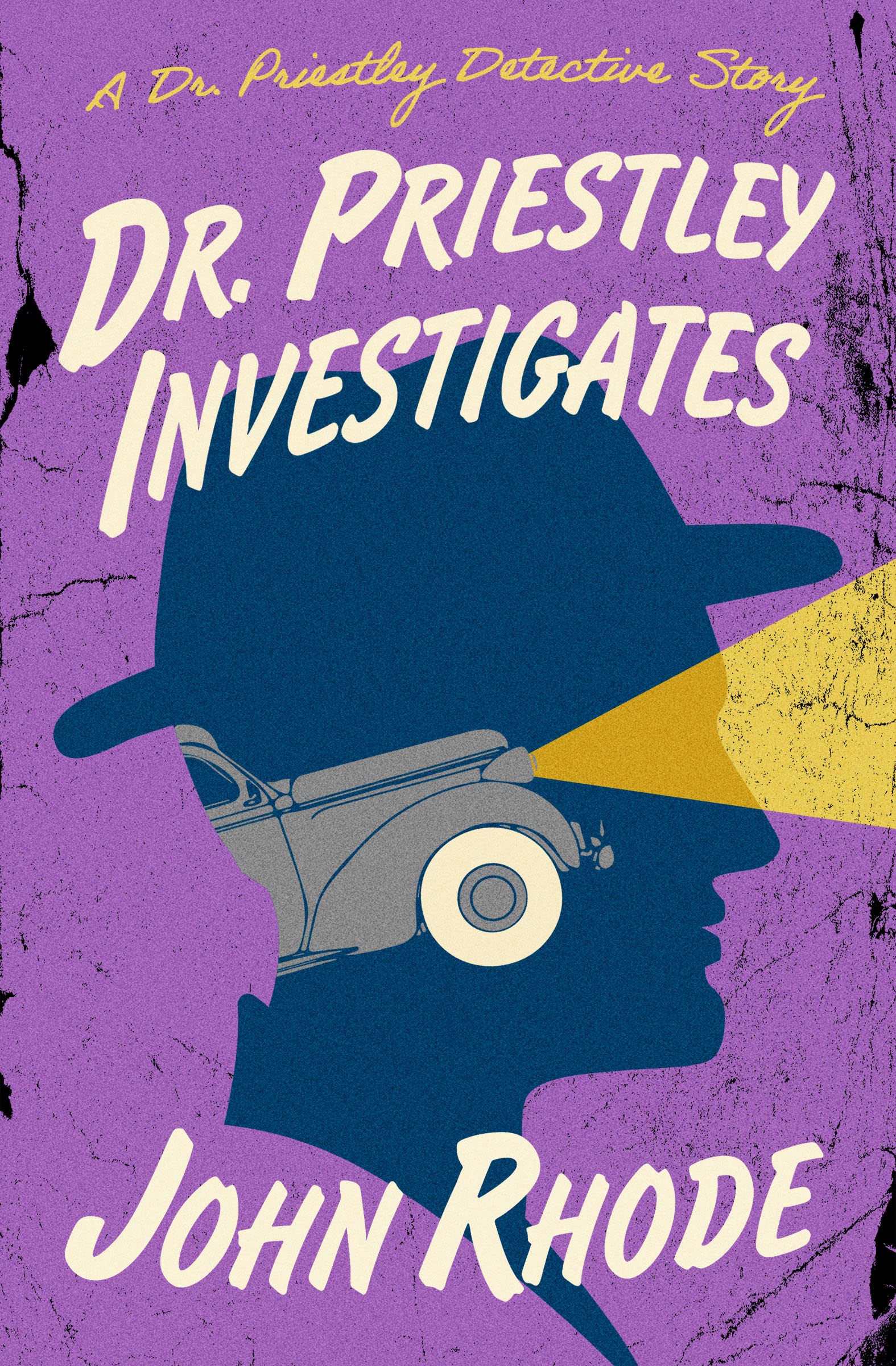
Dr. Priestley Investigates

1930

"West Street, Lenhaven, although it is the main, in fact the only direct, approach to that important seaport from the westward, is a singularly uninviting thoroughfare." - the opening sentence.
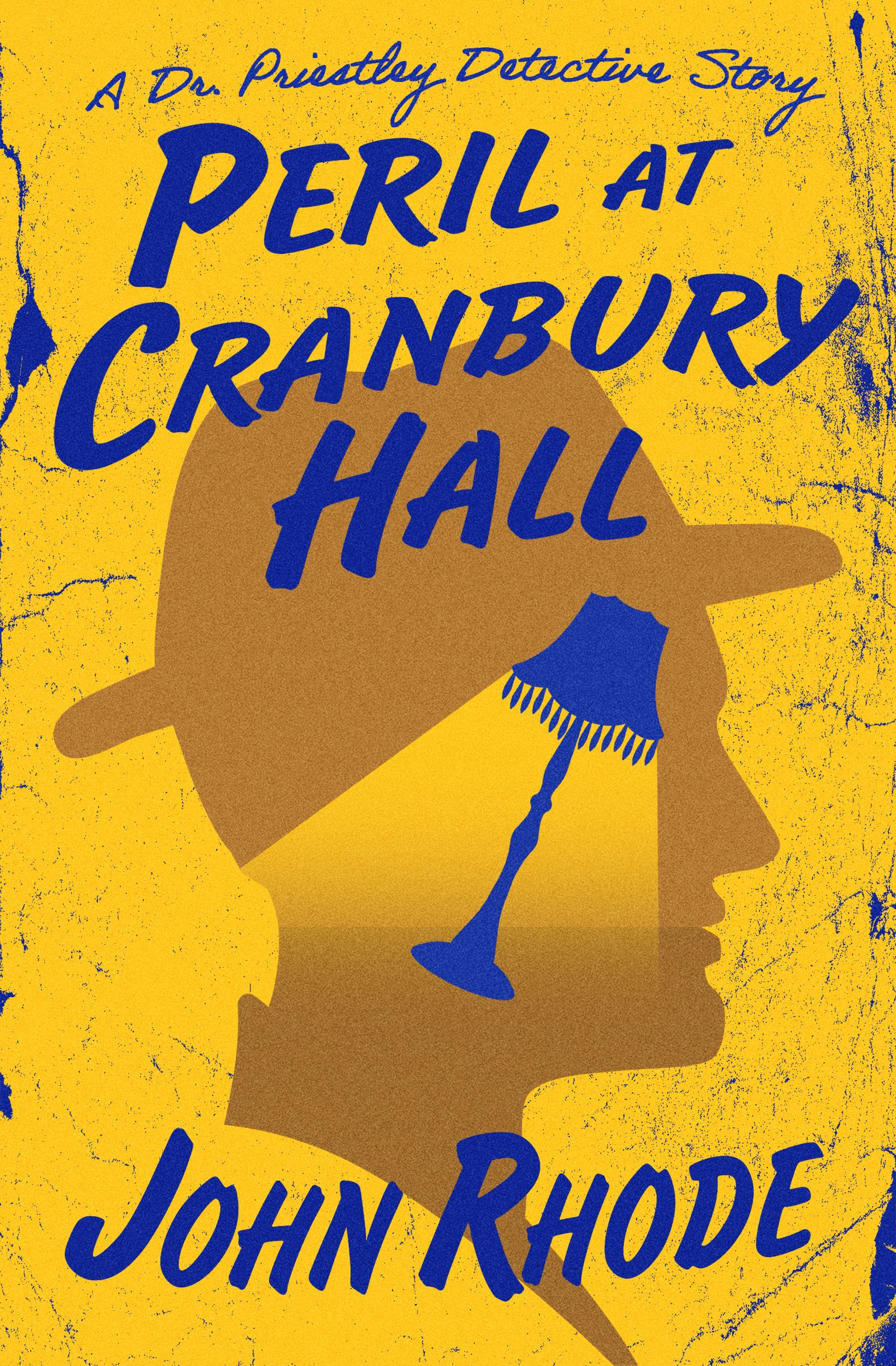
Peril at Cranbury Hall book cover
#9

Peril at Cranbury Hall

1949

A shady operator is targeted for death and needs help from a professor with an "uncanny ability to ferret out the truth" (The New York Times). An expert in alternative medicine is creating a clinic in Cranbury Hall that promises to cure fatigue, and Arnold Gilroy is happy to invest in this promising moneymaking venture. Unfortunately, his brother Oliver has just finished a stint in prison for fraud—and has weaseled his way into running Cranbury Hall while pursuing some nefarious business on the side. Before long, he's been grazed by a bullet—and Dr. Lancelot Priestley will have to step in before the killer strikes again, with more success this time, in this Golden Age British mystery.
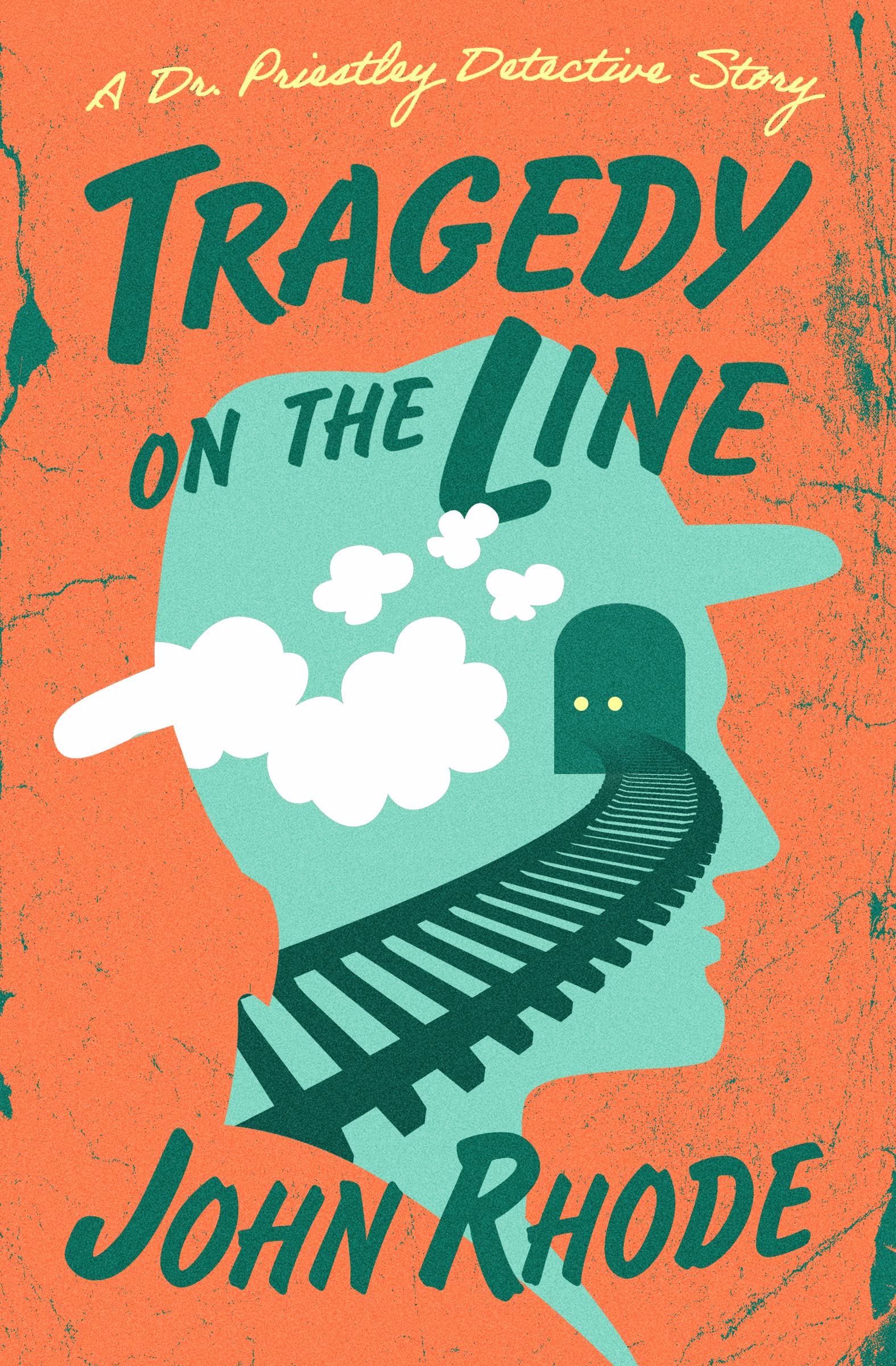
Tragedy on the Line book cover
#11

Tragedy on the Line

1931

A body on the tracks and a pair of missing wills have Dr. Priestley puzzled . . . Gervase Wickenden's estate is close to a railroad line—and that's where his mangled body is found after an unfortunate meeting with a train. The timing is a bit odd though, considering this happened only two days after Wickenden changed his will. And now, neither version of the will can be located . . . The heirs ask Dr. Lancelot Priestley to look into the matter of the missing documents, but he soon stumbles on something else entirely: evidence that the train was not the actual cause of death. It's up to him to deduce the facts behind this fatal so-called accident, in a compelling British mystery by a Golden Age master. "You can never go far wrong with a Dr. Priestley story." —The New York Times
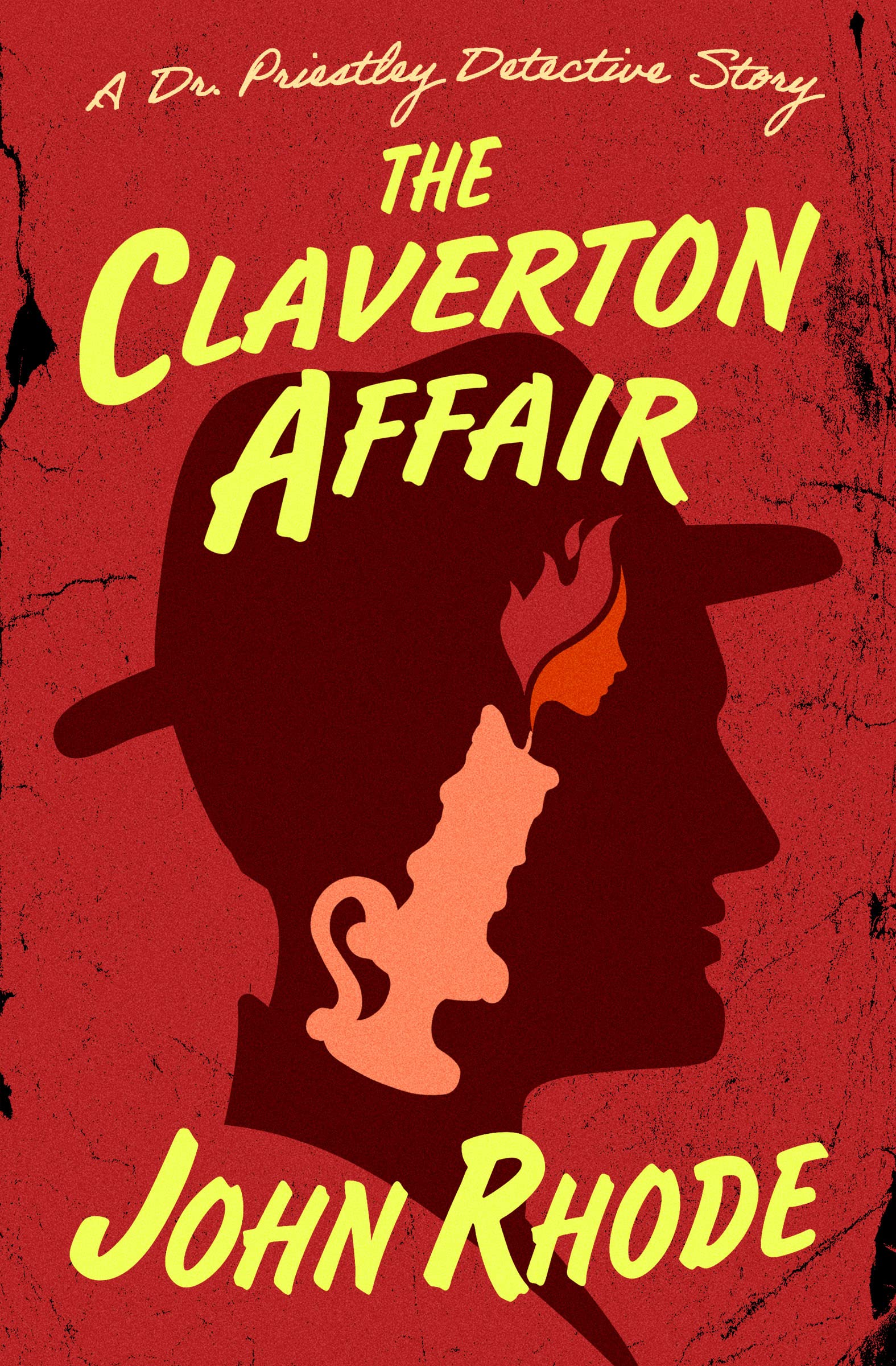
The Claverton Affair book cover
#14

The Claverton Affair

1933

A scientifically minded professor is stumped by a case involving s�ances and an inexplicable inheritance . . . After drifting apart from Sir John Claverton, Dr. Lancelot Priestley is finally visiting his old friend for dinner. But Claverton's situation is worrying. He's surrounded by relatives, among them a sister who speaks to the dead—but not to him—and a niece who may or may not be a qualified nurse. Based on Claverton's odd behavior, Priestley and a mutual friend suspect that someone is slipping him arsenic. But when Priestley discovers that Claverton has died just a week later and shares his concerns with the police, no trace of arsenic—or anything else untoward—is found during the autopsy. Still, the perceptive professor can't shake his sense that something isn't right, and Claverton's recently revised will only adds to the mystery . . . "The puzzle is sound, the atmosphere menacing in a splendidly gloomy way." —Jacques Barzun and Wendell Hertig Taylor, A Catalogue of Crime "You can never go far wrong with a Dr. Priestley story." —The New York Times
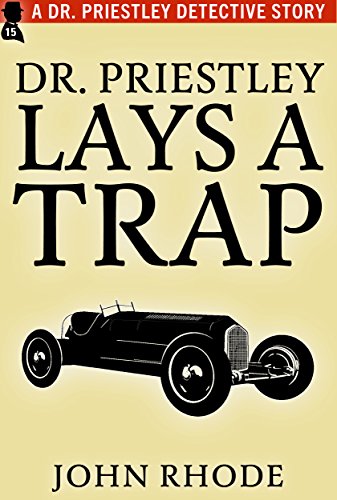
Dr. Priestley Lays a Trap book cover
#15

Dr. Priestley Lays a Trap

1933

The Motor Rally Mystery, first published in 1933 (and also known by the title Dr. Priestley Lays a Trap), is book no. 15 in the series of mysteries featuring private detective Dr. Priestley. Author John Rhode, a pen name of Cecil Street (1884-1964), was a prolific writer of mostly detective novels, publishing more than 140 books between 1924 and 1961. From the dustjacket: The death of Lessingham and his companion, Purvis, was, indeed, a tragic affair; but an automobile accident, especially one occurring in a race, rarely arouses suspicion. Sergeant Showerby, however, was a conscientious soul. His duty was to investigate thoroughly and investigate he did, with results that were suspicious enough to arouse Inspector Hanslet of Scotland Yard and, through him, the great criminologist, Dr. Priestley. At first, there is so little evidence that one cannot understand Dr. Priestley's interest in the case. Then, one by one, clues appear—not the ordinary clues which fall fortuitously in a detective's lap, but clues that are found because the Doctor, by his famous process of logical deduction, knows where to look for them. Gradually a pattern forms so diabolical in its simplicity and effectiveness that Dr. Priestley is forced to set a dramatic trap which very nearly ends the lives of both detective and criminal. For sheer ingenuity of detective story mechanics, John Rhode has few equals and none of his many stories present a neater puzzle than this one, which will perplex all but the keenest detective fan.
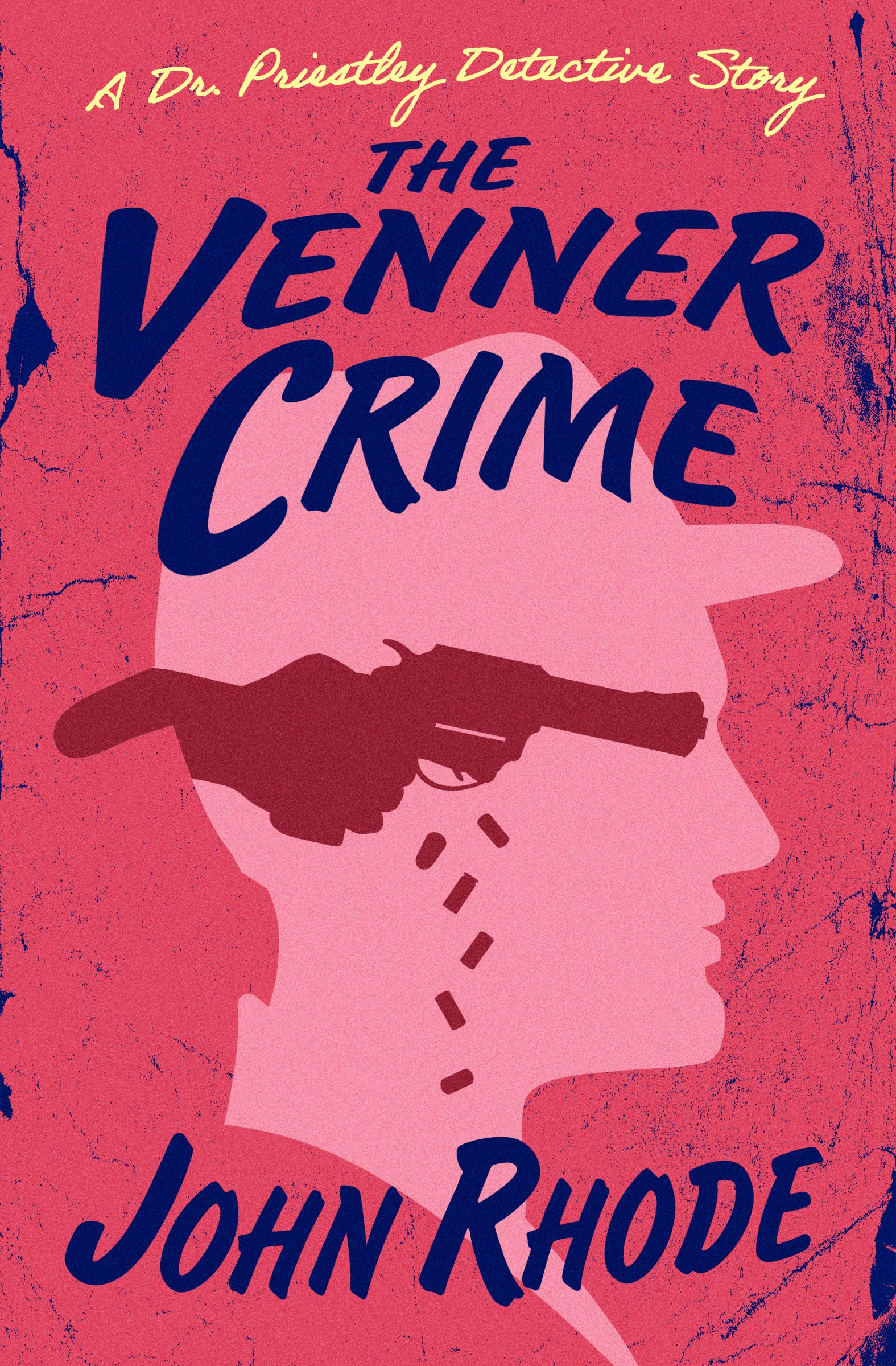
The Venner Crime book cover
#16

The Venner Crime

1933

Starting with the enigma surrounding the disappearance of a man who had been suspected but exonerated of the murder of his wealthy uncle, the novel soon plunges Dr. Priestley into one of the most serious—and ultimately dangerous—cases of his career.
Poison for One book cover
#17

Poison for One

1934

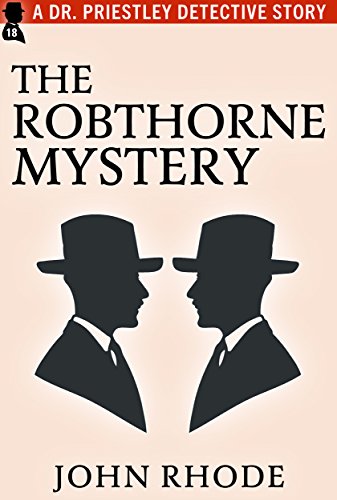
The Robthorne Mystery book cover
#18

The Robthorne Mystery

1934

The Robthorne Mystery, first published in 1934, is part of the series of mysteries featuring private detective Dr. Priestley. Author John Rhode, a pen name of Cecil Street (1884-1964), was a prolific writer of mostly detective novels, publishing more than 140 books between 1924 and 1961. When one of the Robthorne twins commits suicide, there is a question over which one it is and whether it was, in fact, suicide or murder. From the dustjacket: Dr. Priestley, well-known crime investigator, is called in to solve the mysterious death of Mr. Robthorne, who has been found shot in the greenhouse of his country estate. A chain of damning evidence that Dr. Priestley pieces so successfully together forms one of the finest examples of crime detection that Mr. John Rhode has yet produced.
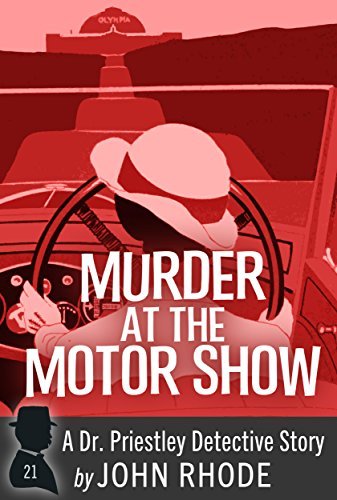
Murder at the Motor Show book cover
#21

Murder at the Motor Show

1935

Murder at the Motor Show first published in 1935 (published in the U.K. as Mystery at Olympia), is book no. 21 in the Dr. Priestley detective story series. Author John Rhode, a pen name of Cecil Street (1884-1964), was a prolific writer of mostly detective novels, publishing more than 140 books between 1924 and 1961. From the dustjacket: A dense crowd surrounded the new Comet car that was fully expected to be the sensation of the great Motor Show at Olympia. Suddenly one of the eager spectators, an elderly man, lurched forward and collapsed in what appeared to be a dead faint on the ground. But Nigel Pershore was dead, and it was his death that provided the real sensation of the show. A post-mortem examination revealed no visible wound, no serious organic disorder, no evidence of poison. Doctors and detectives were equally baffled. Every chapter unfolds a new aspect of an apparently insoluble puzzle. Then a fortunate discovery opens the way for Dr. Priestley's unrivaled deductions and a solution of the mystery that brings to a close a brilliant story.
Shot at Dawn book cover
#22

Shot at Dawn

1935

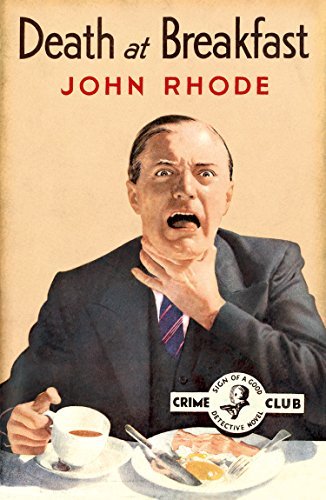
Death at Breakfast book cover
#23

Death at Breakfast

1936

A classic winter’s crime novel by one of the most highly regarded exponents of the genre. Victor Harleston awoke with uncharacteristic optimism. Today he would be rich at last. Half an hour later, he gulped down his breakfast coffee and pitched to the floor, gasping and twitching. When the doctor arrived, he recognised instantly that it was a fatal case of poisoning and called in Scotland Yard. Despite an almost complete absence of clues, the circumstances were so suspicious that Inspector Hanslet soon referred the evidence to his friend and mentor, Dr Lancelot Priestley, whose deductions revealed a diabolically ingenious murder that would require equally fiendish ingenuity to solve.
The Harvest Murder book cover
#25

The Harvest Murder

1937

The Harvest Murder, first published in 1937 (and also published under the title Death in the Hop Fields ) is part of the series of mysteries featuring private detective Dr. Priestley. Author John Rhode, a pen name of Cecil Street (1884-1964), was a prolific writer of mostly detective novels, publishing more than 140 books between 1924 and 1961. From the Sergeant Wragge happened to see it there, lying by the side of the road, and decided to take care of it himself. After all, a twelve-inch butcher knife is nothing to be left loose on a public highway. When he noticed those curious stains on the blade, his suspicions were more than aroused and he felt that he must be ready for trouble. The Sergeant's forebodings were swiftly corroborated by the events that followed—robbery, a mysterious disappearance, perhaps murder; so he felt that he was justified in demanding the aid of Scotland Yard. The careful investigations of Inspector Hanslet and Jimmy Waghorn soon had them on the right track; but it was Dr. Priestley's quiet, seemingly enigmatic suggestion that finally unearthed the solution.
Death Sits on the Board book cover
#26

Death Sits on the Board

1937

“The murders are most ingeniously planned and executed, and even Dr. Priestley is put to a severe test before the story is ended.” —The New York Times Constable Frean had an unpleasant sensation that he was not, as he seemed to be, patrolling a respectable London suburb, but was back at the Front in the year 1918, enduring a particularly vicious bombardment. Crash! With a roar like a bursting shell the roof of a nearby house blew off. Heading a rescue party, the constable found part of the house in ruins, and the owner, Sir Andrew Wiggenhall, missing. Eventually, his remains, or part of them, were discovered in the garden. Thus passed the Chairman of the Board of Porslin Ltd. Some months later another member of the same board of directors died in mysterious circumstances. Still another followed shortly. The reason for these apparently unrelated mysteries puzzled the police and intrigued Dr. Priestley. After a series of clever deductions, and as a result of clues which led far back into the past, he unearthed the secret of the Death that sat on the Board of Directors. Also available by John Rhode (pseud. of Cecil Street): Dr. Priestley Lays a Trap The Harvest Murder
Invisible Weapons book cover
#28

Invisible Weapons

1938

The murder of old Mr Fransham while washing his hands in his niece's cloakroom was one of the most astounding problems that ever confronted Scotland Yard. Not only was there a policeman in the house at the time, but there was an ugly wound in the victim's forehead and nothing in the locked room that could have inflicted it. The combined efforts of Superintendent Hanslet and Inspector Waghorn brought no answer, and the case was dropped. It was only after another equally baffling murder had been committed that Dr Lancelot Priestley's orderly and imaginative deductions began to make the connections that would solve this extraordinary case. A classic crime novel by one of the most highly regarded exponents of the genre.
Death Pays a Dividend book cover
#30

Death Pays a Dividend

1939

The Elm Tree Murder book cover
#31

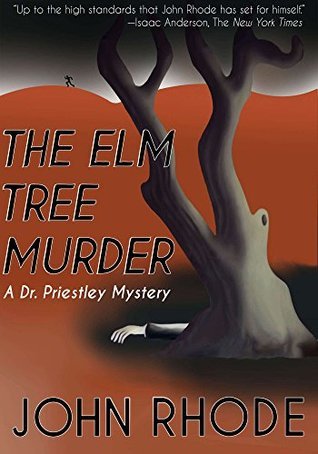
The Elm Tree Murder

1939

“One always embarks on a John Rhode book with a great sense of security. One knows that there will be a sound plot, well-knit process of reasoning, and a solidly satisfying solution with no loose ends or careless errors of fact.”—Dorothy Sayers"The Elm Tree Murder is up to the high standards that John Rhode has set for himself.”—Isaac Anderson, The New York TimesFrom the expert forger is worrying Scotland Yard, and Inspector Jimmy Waghorn’s investigations take him to a high-class residential hotel near London. Under an assumed name Inspector Waghorn mingles with the guests, yet he finds it difficult to believe that the criminal he seeks is among the hotel’s very respectable-looking visitors. But the situation soon worsens. In that peaceful atmosphere a murder is committed so baffling and ingenious that even so brilliant an investigator as Dr. Lancelot Priestley is for a time stymied in his efforts to solve it.
Death on the Boat Train book cover
#32

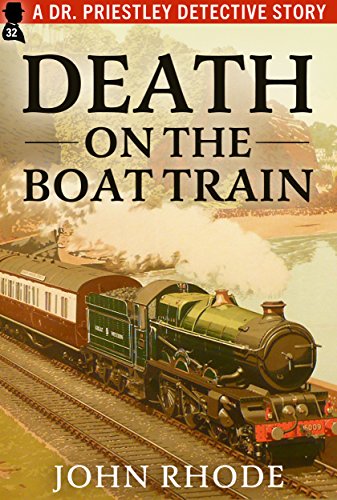
Death on the Boat Train

1940

“One always embarks on a John Rhode book with a great sense of security. One knows that there will be a sound plot, well-knit process of reasoning, and a solidly satisfying solution with no loose ends or careless errors of fact.”—Dorothy Sayers From the Jacket: Fair blew the wind from France, and the Channel steamer Isle of Jethou rolled a bit in the stiff south-westerly breeze. But the rough crossing didn’t upset the mysterious passenger who had locked himself into his cabin as soon as he boarded the boat at Guernsey. The same desire for seclusion had manifested itself on the boat-train to Waterloo, for the guard had been presented with a pound-note to reserve a compartment for Mr. Mystery. But did he travel alone? For at Waterloo the gentleman from Guernsey was a pretty genuine corpse. Death on the Boat-Train is a first-rate detective story, once again featuring the coldly clever scientific mind of Dr. Priestley, John Rhode’s brilliant creation.
Murder at Lilac Cottage book cover
#33

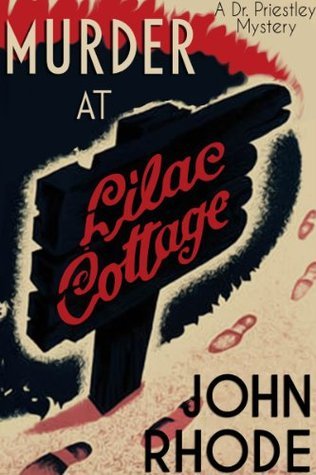
Murder at Lilac Cottage

1940

“One always embarks on a John Rhode book with a great sense of security. One knows that there will be a sound plot, well-knit process of reasoning, and a solidly satisfying solution with no loose ends or careless errors of fact.”—Dorothy Sayers From the jacket: For three years the man had lived in the little Lilac cottage on the Squire’s estate, yet apparently no one in that peaceful village knew a thing about him. The only significant clue that Superintendent Hanslet and Jimmy Waghorn found was the five pound bank note that he received on the day he died. The minute they told Dr. Priestley about it he jumped to the bait and set forth on a trail that picked up such divergent clues as dope fiends, the dismantled engine of a motor mower, and the rear view of an odd man on a bicycle. When the village good-for-nothing was found dead on the estate, it seemed to complicate the affair even more. But for Dr. Priestley it actually simplified things. He brings the case to a smashing conclusion that will leave the reader gasping at the ingenuity of the murders and the unfailing astuteness of this famous criminologist. “Convincingly worked out.”—The Saturday Review
Death at the Helm book cover
#34

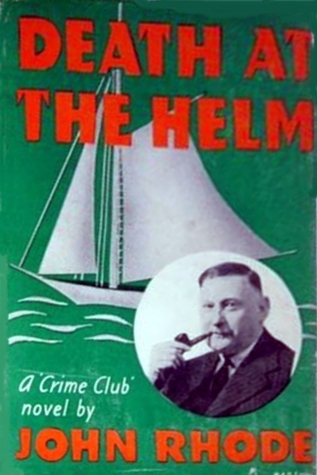
Death at the Helm

1941

The Fourth Bomb book cover
#36

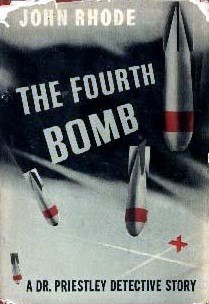
The Fourth Bomb

1942

Dodd, Mead & Company, NY, 1942. Red hardcover.
Men Die At Cyprus Lodge book cover
#38

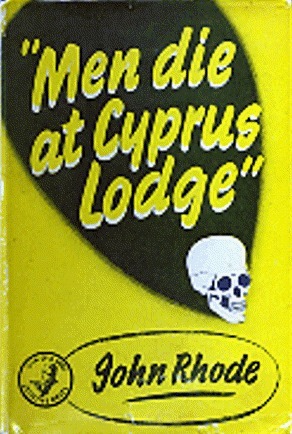
Men Die At Cyprus Lodge

1943

Collins White Circle #274, 1946. First printing and the first paperback edition of this scarce White Circle Paperback. The book is in VG condition. Faint spine lean and soiling to the wrappers. Crease along the front spine seam. Faint creases at the upper edge of the front wrapper. Faint diagonal creases at the upper left corner of the rear wrapper.
Vegetable Duck book cover
#40

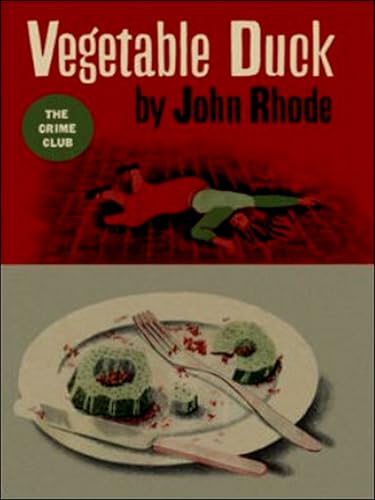
Vegetable Duck

1944

At the London service flat where she lives with her husband, dies after eating a meal which later analysis shows was infused with digitalis. Scotland Yard at first suspect her husband, who had been called away by a telephone call of murdering her. However, with the assistance of Priestley, the investigating officer is able to prove this is a long-premeditated crime by someone else.
Shadow of a Crime book cover
#41

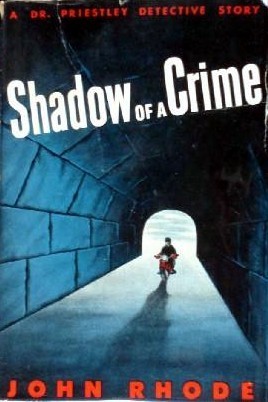
Shadow of a Crime

1945

The mystery takes place in the fictitious rural community of Winghurst and begins with the death of Algernon Fratton in a motorcycle crash which it is soon apparent was caused by the deliberate act of some other person. The local police have no shortage of suspects, not least the dead man’s uncle, who stood to gain by his death at such a timely moment and whose car passed the scene at about the same time. A pair of local artists and Fratton’s friend and heir are also suspect and the assistance of Scotland Yard, in the shape of Rhode stalwart Jimmy Waghorn, is invoked. He already has some knowledge of events, having been present when the local doctor discussed the case with Dr Priestley and his friends. Jimmy gets to work energetically, uncovering several strange elements of the case, including a mysterious bricklayer who appears from nowhere and several odd items found in a pool close to the scene of the crime.
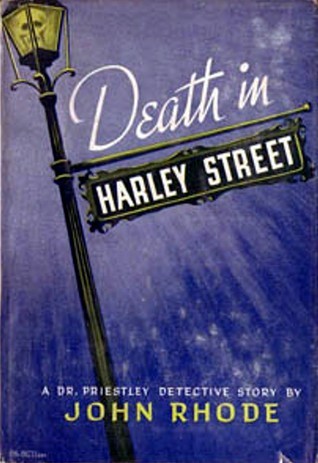
Death in Harley Street book cover
#43

Death in Harley Street

1946

Il libro Il dottor Mawsley, medico londinese di successo, non è molto stimato dai suoi conoscenti, ma è decisamente soddisfatto della propria vita. E alla fine di una lunga giornata di lavoro ha un motivo in più per essere felice, quando un avvocato gli presenta dei documenti in base ai quali erediterà un’ingente somma da una paziente particolarmente grata. Ma neanche un’ora dopo Mawsley viene trovato morto sul pavimento del suo studio in Harley Street, in seguito a un’iniezione fatale di stricnina. Le indagini escludono nettamente le ipotesi di omicidio e di suicidio, e il caso viene archiviato come morte accidentale. Ma com’è possibile che un luminare come Mawsley sia incorso in un simile errore, iniettandosi una dose letale di una sostanza tanto pericolosa? L’eccentrico Lancelot Priestley, ex professore di matematica applicata con l’hobby dell’investigazione criminale, viene informato del caso durante una cena tra amici, e mostra subito di non credere alla teoria dell’incidente. Così, mentre invita il sovrintendente di polizia Jimmy Waghorn a effettuare ulteriori indagini, Priestley usa il suo acume e la sua perspicacia per ipotizzare una quarta possibilità (oltre a omicidio, suicidio e incidente) che spieghi il perché di una morte tanto curiosa. Un ingegnoso mystery del 1946, finora inedito in Italia, da lasciare sbalorditi. L’autore John Rhode (1884-1964), pseudonimo dello scrittore inglese Cecil John Street, ha firmato 140 mystery, oltre a volumi di argomento politico e storico e ad alcune biografie. Fu ufficiale di carriera dell’esercito britannico prima di dedicarsi all’’attività letteraria. Esordì nella narrativa poliziesca nel 1924 e l’anno successivo introdusse il personaggio del professor Lancelot Priestley (The Paddington Mystery), che avrebbe poi conquistato grande popolarità grazie a The Murders in Praed Street (1928, I delitti di Praed Street – I bassotti n. 1). Quest’ultimo fu anche l’unico suo romanzo ad avere una versione cinematografica (Twelve Good Men, 1936) dalla quale, paradossalmente, venne eliminato il personaggio del professore. La regolarità della sua produzione – quattro gialli all’anno – lo indusse nel 1930 ad adottare l’ulteriore pseudonimo di Miles Burton, di cui in autunno la Polillo pubblicherà Death in the Tunnel (1936, Nel buio della galleria), finora inedito in Italia.

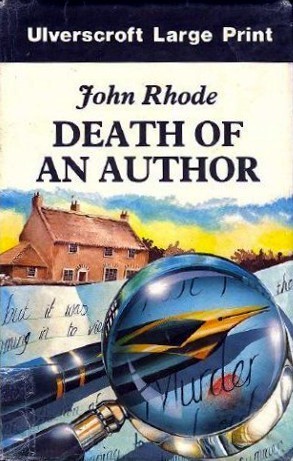
Death of an Author book cover
#45

Death of an Author

1947

The author is a recluse living in a quiet village, and is blown up while chopping wood. With the second murder and its accompanying alibis, and a rather gruesome and sensationalistic third murder, the plot becomes complicated.
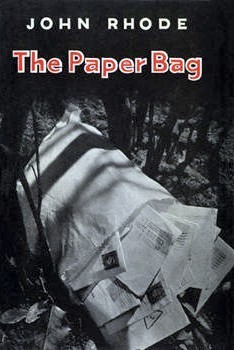
The Paper Bag book cover
#46

The Paper Bag

1948

This book was digitized and reprinted from the collections of the University of California Libraries. It was produced from digital images created through the libraries’ mass digitization efforts. The digital images were cleaned and prepared for printing through automated processes. Despite the cleaning process, occasional flaws may still be present that were part of the original work itself, or introduced during digitization. This book and hundreds of thousands of others can be found online in the HathiTrust Digital Library at www.hathitrust.org.
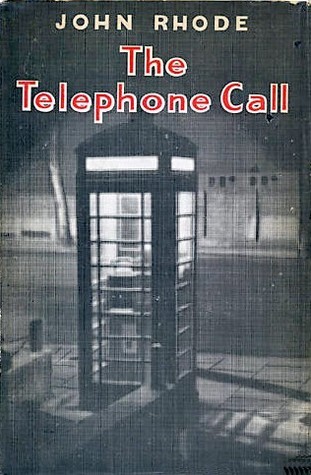
The Telephone Call book cover
#47

The Telephone Call

1949

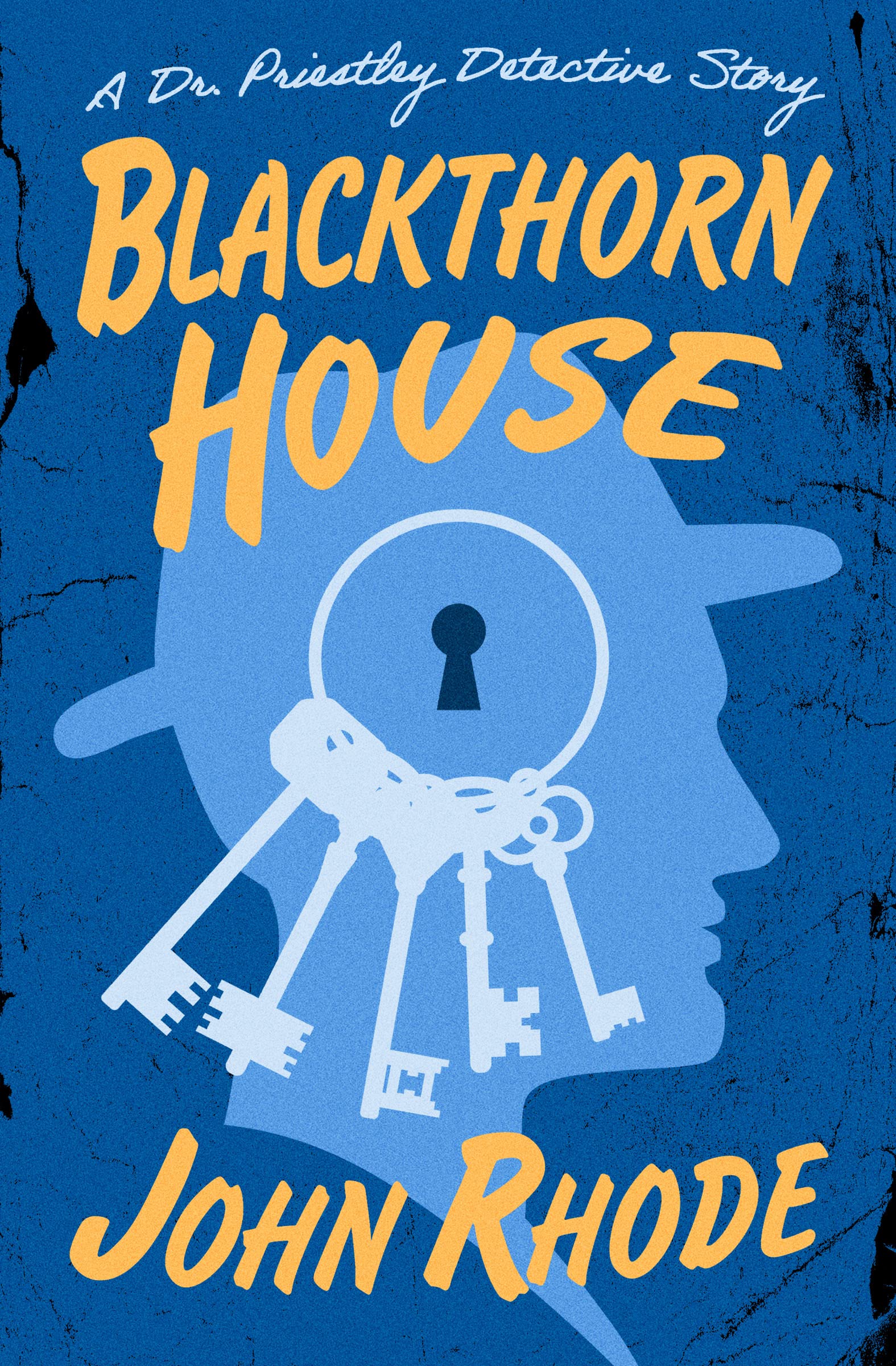
Blackthorn House book cover
#48

Blackthorn House

1949

A man's car is impounded as a stolen vehicle—but that's not the worst of it—in this classic British mystery starring a "tartly logical professor" (The New York Times). Kenneth Winslow's company has sold a car to his nephew, Noel Yewdale, who's supposed to transport the large, locked chest in it. But before he can get the job done, the police seize the car—saying they think it's stolen. When the cops confirm he won't get the car back, he's out of luck—but at least they're willing to help him carry the heavy chest out of the garage where the vehicle has been stored. Unfortunately, Yewdale has an even bigger problem when they pry the chest open to find out why it smells so bad—his uncle's body is stuffed inside. Superintendent Waghorn will do his best to solve the crime, but he may need some help from Dr. Lancelot Priestley to put the puzzle pieces together . . .
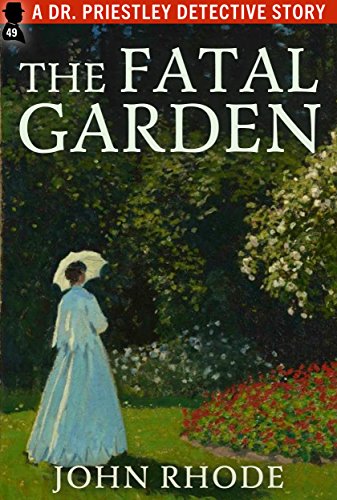
The Fatal Garden book cover
#49

The Fatal Garden

1949

The Fatal Garden, first published in 1949, is book no. 49 in the series of mysteries featuring private detective Dr. Priestley and Scotland Yard's Superintendent Waghorn. Author John Rhode, a pen name of Cecil Street (1884-1964), was a prolific writer of mostly detective novels, publishing more than 140 books between 1924 and 1961. From the dustjacket: “Yes, the initial murder in this book was certainly committed on a path in a garden; but it is possible that the ingenious author chose this title to suggest his manner of dealing with his readers. For, though always perfectly fair and with a soul above such things as “red herrings,” he can usually be found to have some little surprises up his sleeve. Such, for instance, in this book is the mystery of the Bedford Row solicitor. . .”
Family Affairs book cover
#51

Family Affairs

1950

The Secret Meeting book cover
#53

The Secret Meeting

1951

Death at the Dance book cover
#55

Death at the Dance

1952

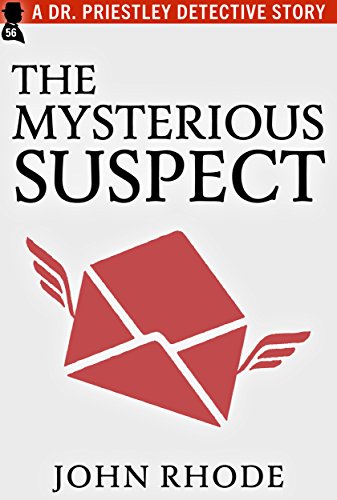
The Mysterious Suspect book cover
#56

The Mysterious Suspect

1953

The Mysterious Suspect, first published in 1953 (and also known by the title By Registered Post), is part of the series of mysteries featuring private detective Dr. Priestley. Author John Rhode, a pen name of Cecil Street (1884-1964), was a prolific writer of mostly detective novels, publishing more than 140 books between 1924 and 1961. In The Mysterious Suspect, wealthy industrialist Peter Horningtoft is found dead in his study after apparently drinking poison from a bottle sent to him as a rheumatism treatment. Jimmy Waghorn is called in and blunders through the case initially until assisted by Dr Priestley. A second murder, disguised as a suicide, re-ignites the investigation.
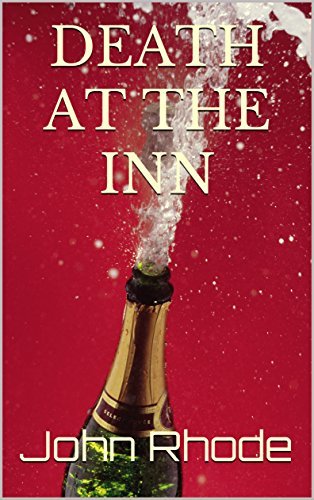
Death at the Inn book cover
#57

Death at the Inn

1953

Soon after six o'clock on a warm August evening the Ariadne Inn was packed with humanity, and it was not immediately apparent that one of the guests at a table in the gardens was not asleep but dead! There were mysterious elements in the cause of his death and a still greater mystery in his previous activities. Who was this Mr. Warstock and why had he come to the Ariadne? Inspector Waghorn breaks a gang of thieves who have found an ingenious way to defraud the Post Office and, along the way, murder a man by poisoning.
The Dovebury Murders book cover
#58

The Dovebury Murders

1954

It begins with a seemingly insignificant robbery at a local printing company, but things really start to happen when Inspector Waghorn is sent to aid the local police in the investigation of the murder of a small-time local troublemaker, poisoned in the home of a parsimonious and rather secretive local man by wine tainted with Oxalic acid. The local force, having traced the history of the fatal drink, are quick to suspect the host, though the motive seems somewhat lacking. Waghorn is not so sure, but is unable to offer a better alternative solution. However, the case appears to be at an end when the chief suspect dies in what the police are satisfied is an accident.
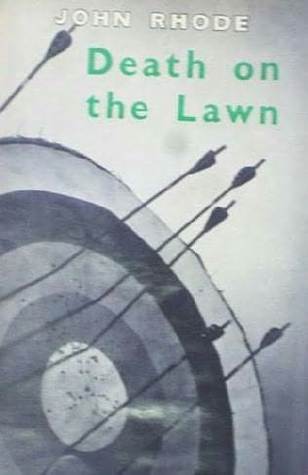
Death on the Lawn book cover
#59

Death on the Lawn

1954

This is another solid publication from Rhode's later years concerning the murder of Robert Thwaite, a successful businessman whose determination that his family shall rise on the social scale causes such discord that his son Edward determines to renounce his inheritance and sever all ties with his family. Fortunately a nephew is willing to take the place of Thwaite's son, both as heir and partner in business, but some time later a woman appears who claims she is Edward's widow and legal and familial complications arise. When Robert Thwaite is found dead with an arrow in his back it is the job of Supt James Waghorn to extract the truth from a plethora of alibis and motives. Most readers familiar with Rhode's output will enjoy what follows, though unfortunately Dr. Lancelot Priestley makes only the briefest of appearances. However, he is still able to offer Waghorn a very helpful hint which guides him in the right direction.
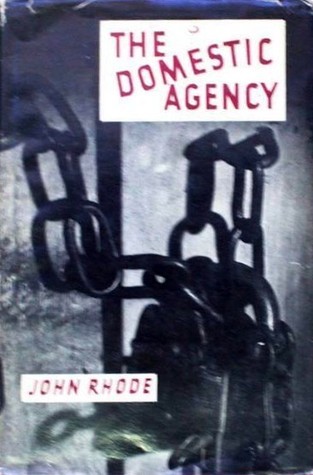
The Domestic Agency book cover
#60

The Domestic Agency

1955

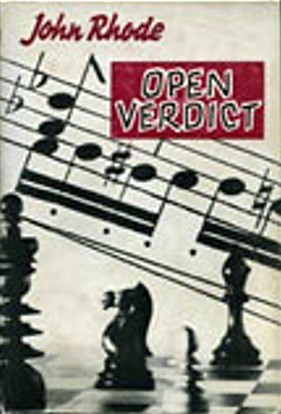
Open Verdict book cover
#63

Open Verdict

1956

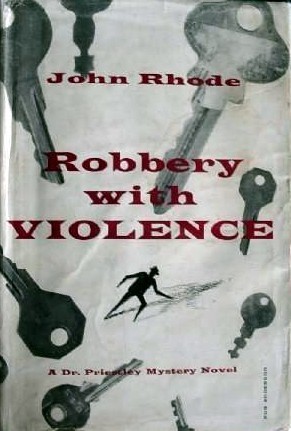
Robbery with Violence book cover
#64

Robbery with Violence

1957

Superintendent James Waghorn investigates the apparently impossible theft from a provincial bank of nearly £10,000 in discarded notes. The bank officials appear to have taken every precaution and neither the official police or the bank investigators can discover the method utilised or the whereabouts of the missing money. Defeated, Waghorn returns to London, but his interest is reawakened eighteen months later when he is recalled to the area to investigate the murder of a man killed on a lonely stretch of road.
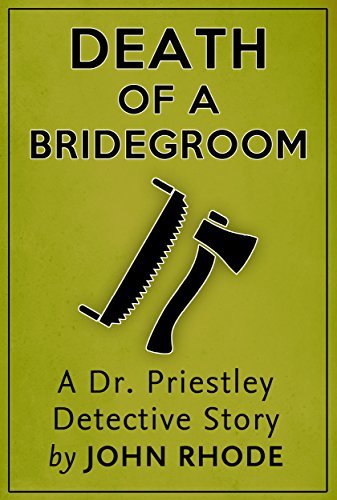
#65

Death of a Bridegroom

1957

In Death of a Bridegroom, Inspector Jimmy Waghorn investigates the death of a man found hanging in his workshop on the morning of his wedding day. Initially, the death is believed a suicide, but doubts begin to arise and Dr. Priestley is brought in to assist the police in solving the murder mystery.
Murder at Derivale book cover
#66

Murder at Derivale

1958

Murder at Derivale, first published in 1958, is book no. 66 in the Dr. Priestley detective story series. Author John Rhode, a pen name of Cecil Street (1884-1964), was a prolific writer of mostly detective novels, publishing more than 140 books between 1924 and 1961. Murder at Derivale one of the final books in the Priestley series, has Inspector Jimmy Waghorn (assisted by the now elderly Dr. Priestley) investigating the death by poisoning of a man found dead in a truck parked in his neighbor's yard. Diamond smuggling and realistic police procedures are also featured.
Death Takes a Partner book cover
#67

Death Takes a Partner

A Dr. Priestley Detective Story

1959

Death Takes a Partner, first published in 1958, is book no. 67 in the series of mysteries featuring private detective Dr. Priestley. Author John Rhode, a pen name of Cecil Street (1884-1964), was a prolific writer of mostly detective novels, publishing more than 140 books between 1924 and 1961. From the dustjacket: No two men could have been more opposite in every way than Wilfred and Clarence Cheriton. Wilfred, forever immersed in some engineering experiment, had little use for people and business activities, whereas Clarence was a sociable man with a gift for selling the products of the Cheriton Engineering Works, of which he and his cousins were partners. If only the two cousins could have made allowances for their differences, it was a partnership which should have worked well. But they couldn't, and the sudden death of Wilfred led Inspector James Waghorn of New Scotland Yard to make some very searching inquiries into the affairs of the Cheriton family. Once again, 'Jimmy' Waghorn is helped in his investigations by the enigmatic advice of Dr. Priestley, while Sergeant King's encyclopedic knowledge of the underworld plays its part in the solving of a particularly ingenious crime.
Licensed for Murder book cover
#68

Licensed for Murder

1958

Licensed for Murder, first published in 1958, is part of the series of mysteries featuring private detective Dr. Priestley. Author John Rhode, a pen name of Cecil Street (1884-1964), was a prolific writer of mostly detective novels, publishing more than 140 books between 1924 and 1961. Licensed for Murder concerns the new managers of an English country inn, who, during the inn's renovation, discover the grisly, burned remains of a man behind corrugated sheeting in the inn's main fireplace. With the man's identity impossible to determine, Superintendent Jimmy Waghorn calls on the now elderly Dr. Priestley for much needed assistance in solving this gruesome case of murder. Noted American mystery critic Anthony Boucher praised Licensed for Murder, writing in the New York Times that the "detection is competent; the murders have novelty and ingenuity to recommend them; and the background details on the management of a village inn are fascinating. Slow and heavy, but kind of nice."
Three Cousins Die book cover
#69

Three Cousins Die

1959

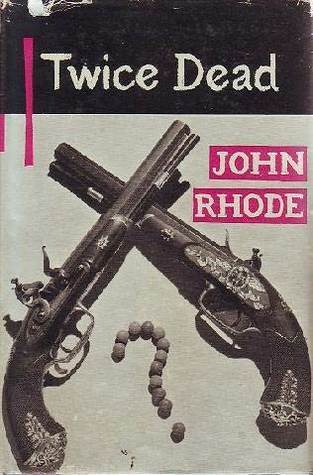
Twice Dead book cover
#70

Twice Dead

1960

Author

John Rhode
John Rhode
Author · 54 books

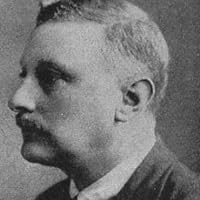
AKA Miles Burton, Cecil Waye, Cecil J.C. Street, I.O., F.O.O.. Cecil John Charles Street, MC, OBE, (1884 - January 1965), known as CJC Street and John Street, began his military career as an artillery officer in the British army. During the course of World War I, he became a propagandist for MI7, in which role he held the rank of Major. After the armistice, he alternated between Dublin and London during the Irish War of Independence as Information Officer for Dublin Castle, working closely with Lionel Curtis. He later earned his living as a prolific writer of detective novels. He produced two long series of novels; one under the name of John Rhode featuring the forensic scientist Dr Priestley, and another under the name of Miles Burton featuring the investigator Desmond Merrion. Under the name Cecil Waye, Street produced four novels: The Figure of Eight; The End of the Chase; The Prime Minister's Pencil; and Murder at Monk's Barn. The Dr. Priestley novels were among the first after Sherlock Holmes to feature scientific detection of crime, such as analysing the mud on a suspect's shoes. Desmond Merrion is an amateur detective who works with Scotland Yard's Inspector Arnold. Critic and author Julian Symons places this author as a prominent member of the "Humdrum" school of detective fiction. "Most of them came late to writing fiction, and few had much talent for it. They had some skill in constructing puzzles, nothing more, and ironically they fulfilled much better than S. S. Van Dine his dictum that the detective story properly belonged in the category of riddles or crossword puzzles. Most of the Humdrums were British, and among the best known of them were Major John Street. -Wikipedia

548 Market St PMB 65688, San Francisco California 94104-5401 USA
© 2026 Paratext Inc. All rights reserved