Margins




548 Market St PMB 65688, San Francisco California 94104-5401 USA
© 2026 Paratext Inc. All rights reserved
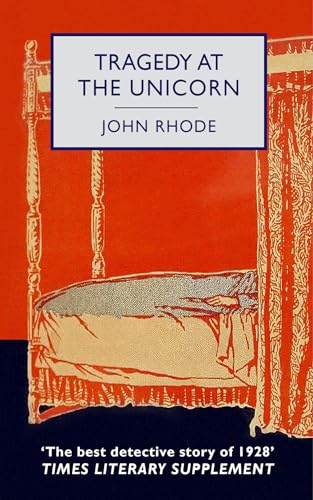
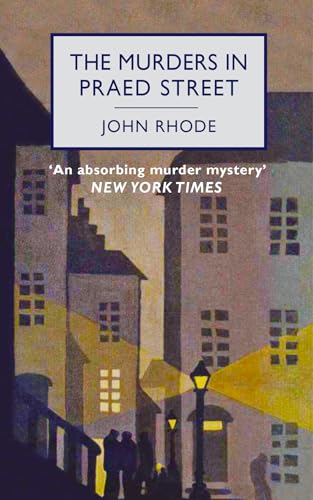
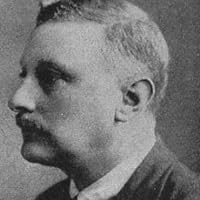
‘The best detective story of 1928’ Times Literary Supplement_'A case of suicide, accident or murder?' New York Times‘A keenly interesting and enjoyable detective story’ The ScotsmanGolden Age of Crime writer John Rhode’s fifth Dr Priestley detective novel, republished here for the first time in almost a centuryThis Spitfire Publishers edition includes a complete bibliography of John Rhode’s Dr Priestley detective novels A party of five yachtsmen check-in one late summer Sunday evening at the Unicorn, an old-fashioned country hotel on the south coast of England. A sixth guest, Dr Victor Grinling, known to the group, is also in residence. The next morning Dr Grinling’s valet and confidential servant, Ferguson, discovers his long-time master dead in his bedroom – poisoned. It soon transpires that each of the five crew of Levity had in one way or another, a motive for desiring an untimely death of the very rich, very difficult, Dr Grinling. Dr Lancelot Priestley is brought in to apply his unique blend of scientific analysis and human psychology to solving the mysterious death, ably assisting his old-sparring partner, Scotland Yard’s Inspector Haslet. About the Author John Rhode was the pseudonym for the author Cecil Street, one of the best-selling and most popular British authors of the Golden Age of Crime. His most famous literary creation was Dr Lancelot Priestley, a forensic detective who featured in seventy-two novels written over forty years, solving many ingenious and misleading murders. Cecil Street was born in 1884 in Gibraltar to a military family. At sixteen he attended the Royal Military Academy at Woolwich. He served with distinction in the First World War and then in military intelligence before taking up writing full-time. He was a founding member of the Detection Club, the illustrious dining club of detective story writers, and created the famous ‘Eric the Skull’ used in the rituals of the organisation. He would write over 140 detective novels (writing also as Miles Burton and Cecil Waye) and died aged 80, in 1964. Praise for John Rhode ‘A Dr Priestley story is always an event for armchair sleuths’ New York Times ‘Scientific investigator, Dr Priestley, is one of the most satisfactory successors to Sherlock Holmes’ New York Times ‘Dr Priestley, a scientist with a flair for criminal investigation’ New York Times ‘Standing in the front rank of those who write detective fiction’ Times Literary Supplement ‘Any murder planned by John Rhode is bound to be ingenious’ The Observer ‘One always embarks on a John Rhode book with a great feeling of security. One knows that there will be a sound plot, a well-knit process of reasoning and a solidly satisfying solution with no loose ends or careless errors of fact’ Dorothy L Sayers_