


Part of Series
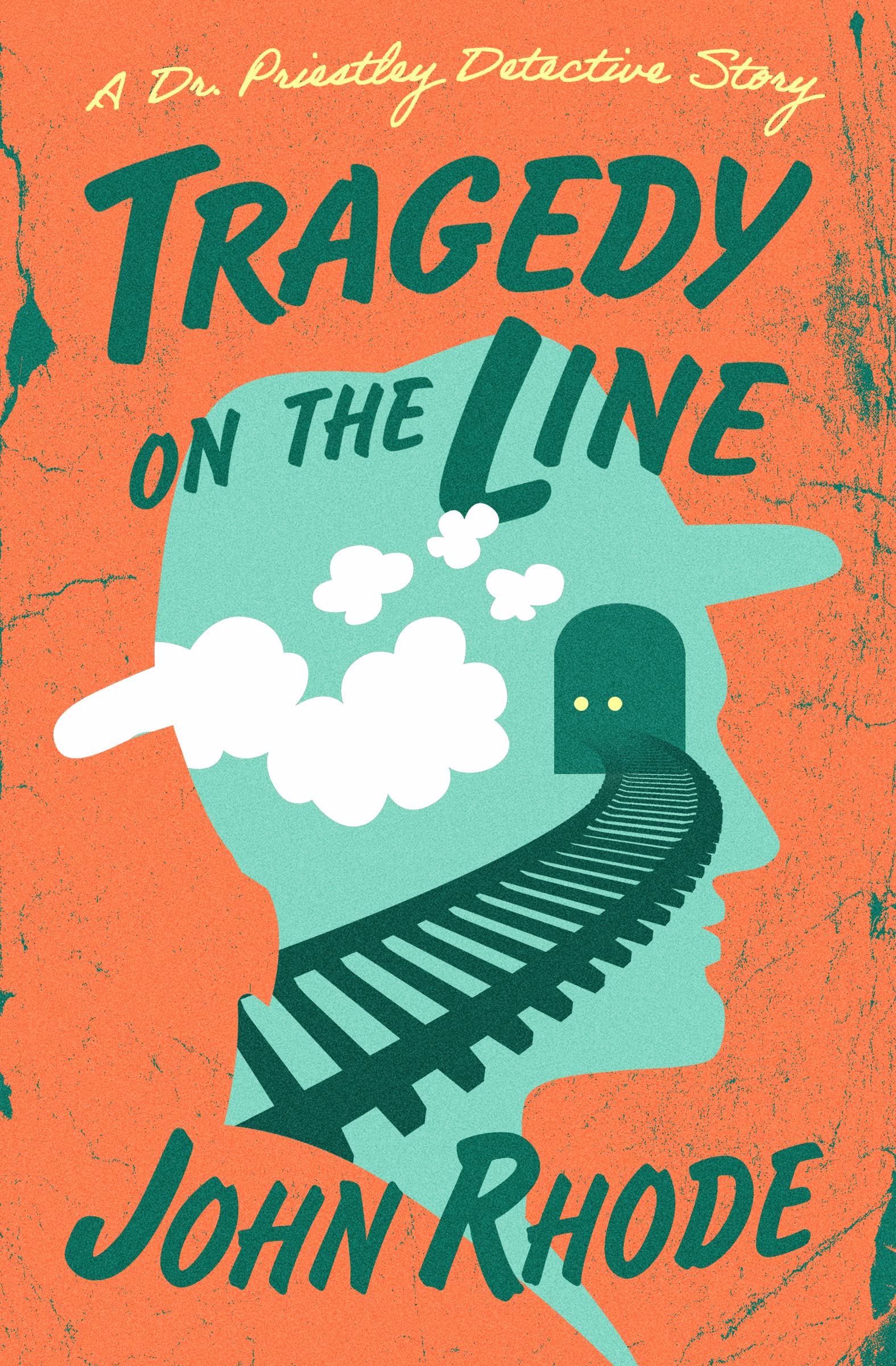
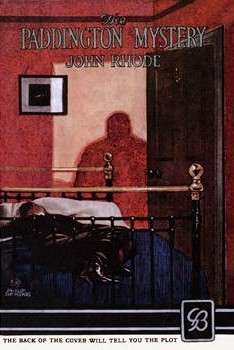
A body on the tracks and a pair of missing wills have Dr. Priestley puzzled . . . Gervase Wickenden's estate is close to a railroad line—and that's where his mangled body is found after an unfortunate meeting with a train. The timing is a bit odd though, considering this happened only two days after Wickenden changed his will. And now, neither version of the will can be located . . . The heirs ask Dr. Lancelot Priestley to look into the matter of the missing documents, but he soon stumbles on something else entirely: evidence that the train was not the actual cause of death. It's up to him to deduce the facts behind this fatal so-called accident, in a compelling British mystery by a Golden Age master. "You can never go far wrong with a Dr. Priestley story." —The New York Times
Author

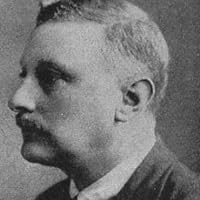
AKA Miles Burton, Cecil Waye, Cecil J.C. Street, I.O., F.O.O.. Cecil John Charles Street, MC, OBE, (1884 - January 1965), known as CJC Street and John Street, began his military career as an artillery officer in the British army. During the course of World War I, he became a propagandist for MI7, in which role he held the rank of Major. After the armistice, he alternated between Dublin and London during the Irish War of Independence as Information Officer for Dublin Castle, working closely with Lionel Curtis. He later earned his living as a prolific writer of detective novels. He produced two long series of novels; one under the name of John Rhode featuring the forensic scientist Dr Priestley, and another under the name of Miles Burton featuring the investigator Desmond Merrion. Under the name Cecil Waye, Street produced four novels: The Figure of Eight; The End of the Chase; The Prime Minister's Pencil; and Murder at Monk's Barn. The Dr. Priestley novels were among the first after Sherlock Holmes to feature scientific detection of crime, such as analysing the mud on a suspect's shoes. Desmond Merrion is an amateur detective who works with Scotland Yard's Inspector Arnold. Critic and author Julian Symons places this author as a prominent member of the "Humdrum" school of detective fiction. "Most of them came late to writing fiction, and few had much talent for it. They had some skill in constructing puzzles, nothing more, and ironically they fulfilled much better than S. S. Van Dine his dictum that the detective story properly belonged in the category of riddles or crossword puzzles. Most of the Humdrums were British, and among the best known of them were Major John Street. -Wikipedia