Margins




548 Market St PMB 65688, San Francisco California 94104-5401 USA
© 2026 Paratext Inc. All rights reserved
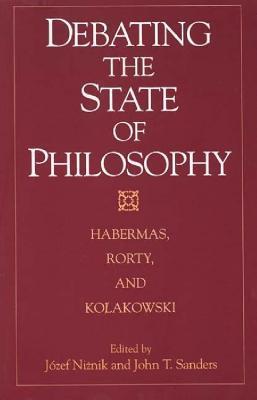
Do we still need philosophical discourse as part of communication within our culture? Is philosophical endeavor still valid? This book offers the views of some of the most popular, distinguished contemporary philosophers who have placed their mark on philosophy. Durgen Habermas, Richard Rorty, Leszek Kolakowski, and Ernest Gellner bring their ideas into confrontation in a unique debate devoted to the present state of philosophy. Habermas begins with a comprehensive account of contextualism. According to him, contextualism is a new form of historicism. What are the merits of an approach that takes into account both a historical and a cultural context? Is the pragmatism promoted by Richard Rorty an acceptable criticism of our platonic heritage? If so, does this mean the end of rationality as a regulative ideal of the human universe? Rorty's answer is Yes. This world-renowned American thinker recommends putting a full stop at the end of a narrative which was useful in pursuit of our ancestors' purposes but is no longer useful for ours. Leszek Ko^D/lakowski attempts to undermine the alleged pragmatic merits of pragmatism from the position of an analytic philosopher who continues to value classical elements of philosophical tradition. Ernest Gellner also turns against Rorty's pragmatism, which he denounces as a product of the Enlightenment roots of American culture and its centuries of political and economic stability. The future of Western culture may depend on the answers to the questions asked by these authors.