Margins




548 Market St PMB 65688, San Francisco California 94104-5401 USA
© 2026 Paratext Inc. All rights reserved
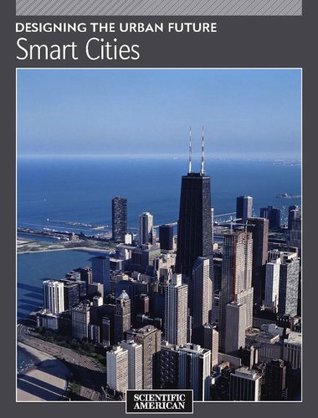
City of the future Scientific American meets Korean readers with tradition, authority, interest, and popularity. Modern science Interpretation and participation were both a starting point and a goal. In this sense, science is no different from the humanities. However, in Korea, the preconception that science is the field of science, and that of experts is widespread. Clearly, injection education is one of the reasons. Hallim Publishing Co., Ltd., assembles the columns of Scientific American, a leading American scientific journal that tracks the most realistic and the most current issues from the perspective of science in order to get a bit out of this preconception. SA series. Scientific American has been published for more than 170 years since its first issue in 1845, and has been the leading public journal in the United States by Nobel laureates and candidates, including Edison and Einstein. By breaking the prejudice that science is an area that is difficult to approach easily without a major, and gaining high trust with accurate contents that specializes in the subject matter that can be understood by the general public, it is loved by readers around the world The Hallym SA series combines the most common and everyday materials such as time, human beings, aging, memory, and love among the most excellent writings of this exciting and prestigious Scientific American. By looking at it, I wanted to show the reader that science is the most efficient way to communicate realistic issues. In particular, we look forward to the youth of the future who will be able to experience the world through the window of science through this series.