


Margins
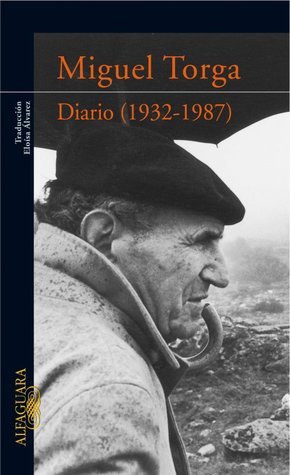
Diario - 1932-1987 book cover
Diario - 1932-1987
2006
First Published
4.60
Average Rating
478
Number of Pages

«Sí, soy un nudo de contradicciones. Pero ¿Qué pasaría si lo desatase?» El primer volumen de los diarios de Miguel Torga, que recoge una amplia y significativa selección, abarca los años transcurridos entre 1932 y 1987 y constituye un testimonio excepcional del devenir de la historia y la cultura contemporáneas. La selección recoge reflexiones sobre grandes hechos históricos y culturales, la experiencia como médico y sus primeros pasos como escritor, su estrecha relación con España -un portugués hispánico, así se definió el autor de La creación del mundo- y América... Espejo en el que su autor se mira, reflexión sobre la realidad externa y el paisaje interior, libro de viajes, colección de poemas..., todo eso y más es este diario excepcional en el que el hombre y el escritor van dando cuenta ante sí y ante los demás de una intimidad compartida. «Miguel Torga ha ido poniendo en su diario una energía tan enciclopédica como la que puso Neruda en el Canto general o Balzac en la Comedia humana. Torga ha escrito día a día, a lo largo de su vida, la Ilíada en prosa y la Enciclopedia universal de un solo hombre.»
Avg Rating
4.60
Number of Ratings
73
5 STARS
68%
4 STARS
23%
3 STARS
8%
2 STARS
0%
1 STARS
0%
goodreads

Author

Miguel Torga
Miguel Torga
Author · 18 books

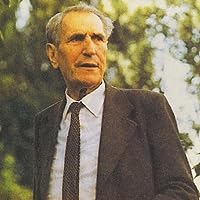
Miguel Torga, pseudonym of Adolfo Correia da Rocha was one of the greatest Portuguese writers of the 20th century. He wrote poetry, short stories, theater and a 16 volume diary. He was born in a village in Trás-os-Montes, northern Portugal, to small-time farmer parents. After a short spell as student in a catholic seminary in Lamego, also in Trás-os-Montes, in 1920 his father sent him to Brazil where he worked on the coffee plantation of an uncle who, finding him to be a clever student, paid his high school there and afterwards his medicine graduation (1933) at the University of Coimbra, in Portugal (to where he returns in 1925). After graduation he worked in his village and in other places in the country, publishing his books from his own pocket for a number of years. In 1941, he established himself as an otolaryngologist physician in Coimbra. His agnostic beliefs seems to reflect in his work, that deals mainly with the nobility of the human condition in a beautiful but ruthless world where God is absent or is nothing but a passive and silent, indiferent creator. After the value of his work was being recognized, he went on to receive several awards, as the Prémio Camões in 1989 and the Montaigne award in 1981. He was several times nominated for the Nobel Prize of Literature, being the last one in 1994, but he never won. Source: http://en.wikipedia.org/wiki/Miguel\_T...

548 Market St PMB 65688, San Francisco California 94104-5401 USA
© 2026 Paratext Inc. All rights reserved