Margins
Disobbedienza civile book cover
Disobbedienza civile
1969
First Published
3.84
Average Rating
74
Number of Pages
Tre motivi per leggerlo: Perché è un libro che non ti aspetti: una meditazione sul dissenso, che parla però molto di consenso e propone una collocazione costituzionale dei gruppi di protesta. Perché Hannah Arendt racconta di Socrate, Thoreau e della rivoluzione americana per tracciare la differenza che corre tra disobbedienza civile e obiezione di coscienza. Perché è un piccolo, prezioso manifesto sulla partecipazione attiva, contro la dittatura dei politici e le prepotenze dei governi.

Avg Rating
3.84
Number of Ratings
242
5 STARS
22%
4 STARS
46%
3 STARS
24%
2 STARS
7%
1 STARS
0%
goodreads

Author

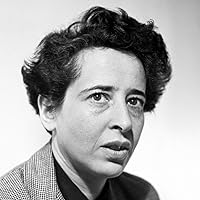
Hannah Arendt
Hannah Arendt
Author · 65 books
Hannah Arendt (1906 – 1975) was one of the most influential political philosophers of the twentieth century. Born into a German-Jewish family, she was forced to leave Germany in 1933 and lived in Paris for the next eight years, working for a number of Jewish refugee organisations. In 1941 she immigrated to the United States and soon became part of a lively intellectual circle in New York. She held a number of academic positions at various American universities until her death in 1975. She is best known for two works that had a major impact both within and outside the academic community. The first, The Origins of Totalitarianism, published in 1951, was a study of the Nazi and Stalinist regimes that generated a wide-ranging debate on the nature and historical antecedents of the totalitarian phenomenon. The second, The Human Condition, published in 1958, was an original philosophical study that investigated the fundamental categories of the vita activa (labor, work, action). In addition to these two important works, Arendt published a number of influential essays on topics such as the nature of revolution, freedom, authority, tradition and the modern age. At the time of her death in 1975, she had completed the first two volumes of her last major philosophical work, The Life of the Mind, which examined the three fundamental faculties of the vita contemplativa (thinking, willing, judging).
548 Market St PMB 65688, San Francisco California 94104-5401 USA
© 2026 Paratext Inc. All rights reserved