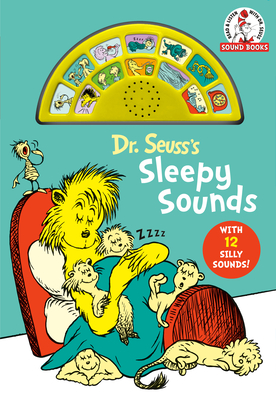
Dr. Seuss' classic bedtime story is now an interactive board book featuring 12 different sounds! Children will love to spot the icons, press the buttons, and listen to the sounds of Dr. Seuss' iconic sleepy characters. A yawn is quite catching, you see. Like a cough. It just takes one yawn to start other yawns off. Introduce little ones to the world of Dr. Seuss with this interactive adaptation of Dr. Seuss' Sleep Book that's perfect for babies and toddlers. From yawns and the sound of brushing teeth to silly snores and a lullaby melody, the twelve sounds featured in the story are almost guaranteed to make kids (and adults!) sleepy, making this an ideal read before naps or bedtime. The colorful sound module comes with a handy on/off switch, and batteries can be easily replaced. With simple, rhyming text and bold, colorful illustrations, this sound book is the perfect gift for new parents, sleepover-hosting grandparents, and a new generation of Dr. Seuss fans.
Author
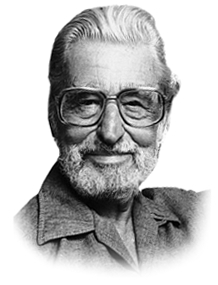
Theodor Seuss Geisel was born 2 March 1904 in Springfield, Massachusetts. He graduated Dartmouth College in 1925, and proceeded on to Oxford University with the intent of acquiring a doctorate in literature. At Oxford he met Helen Palmer, who he wed in 1927. He returned from Europe in 1927, and began working for a magazine called Judge, the leading humor magazine in America at the time, submitting both cartoons and humorous articles for them. Additionally, he was submitting cartoons to Life, Vanity Fair and Liberty. In some of his works, he'd made reference to an insecticide called Flit. These references gained notice, and led to a contract to draw comic ads for Flit. This association lasted 17 years, gained him national exposure, and coined the catchphrase "Quick, Henry, the Flit!" In 1936 on the way to a vacation in Europe, listening to the rhythm of the ship's engines, he came up with And to Think That I Saw It on Mulberry Street, which was then promptly rejected by the first 43 publishers he showed it to. Eventually in 1937 a friend published the book for him, and it went on to at least moderate success. During World War II, Geisel joined the army and was sent to Hollywood. Captain Geisel would write for Frank Capra's Signal Corps Unit (for which he won the Legion of Merit) and do documentaries (he won Oscar's for Hitler Lives and Design for Death). He also created a cartoon called Gerald McBoing-Boing which also won him an Oscar. In May of 1954, Life published a report concerning illiteracy among school children. The report said, among other things, that children were having trouble to read because their books were boring. This inspired Geisel's publisher, and prompted him to send Geisel a list of 400 words he felt were important, asked him to cut the list to 250 words (the publishers idea of how many words at one time a first grader could absorb), and write a book. Nine months later, Geisel, using 220 of the words given to him published The Cat in the Hat , which went on to instant success. In 1960 Bennett Cerf bet Geisel $50 that he couldn't write an entire book using only fifty words. The result was Green Eggs and Ham . Cerf never paid the $50 from the bet. Helen Palmer Geisel died in 1967. Theodor Geisel married Audrey Stone Diamond in 1968. Theodor Seuss Geisel died 24 September 1991. Also worked under the pen name: Theo Le Sieg