Margins




548 Market St PMB 65688, San Francisco California 94104-5401 USA
© 2026 Paratext Inc. All rights reserved
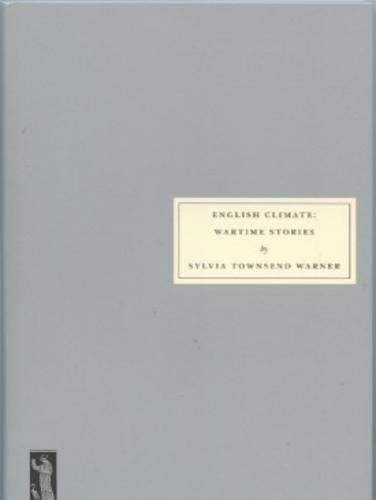
This book collects twenty-two stories dating from 1940 to 1946. Some were reprinted in two volumes, A Garland of Straw in 1943 and The Museum of Cheats in 1947, and one or two have appeared in anthologies since. Lydia Fellgett writes in her Persephone Preface: ‘These stories show a writer seeking to understand what life was like in Britain at war. She worked quickly, without the haze of nostalgia, and (unlike her novels, which moved between the centuries) they were always contemporary, reflecting the texture of what was happening at that moment in time. Her wartime stories therefore epitomise what the historian Juliet Gardiner calls “fingertip history”: a telling of an age that is so close that you can still just about touch it. ‘Almost all the stories are set in the market towns and villages of Southern England’s countryside, with a few recurring characters providing snapshots of communities of women throughout the war. Occasionally a British reader senses a direct explanation of some quirk of specifically English culture for Warner’s American audience but, generally, the appeal they held for the New Yorker readership then carries over to the appeal they hold for a twenty-first century Persephone reader today. Funny, brilliantly written, at times utterly heart-breaking, delightfully sharp, dry, intelligent and full of memorable characters: they are stories that strike the reader as somehow true as only the best fiction can.'