


Margins
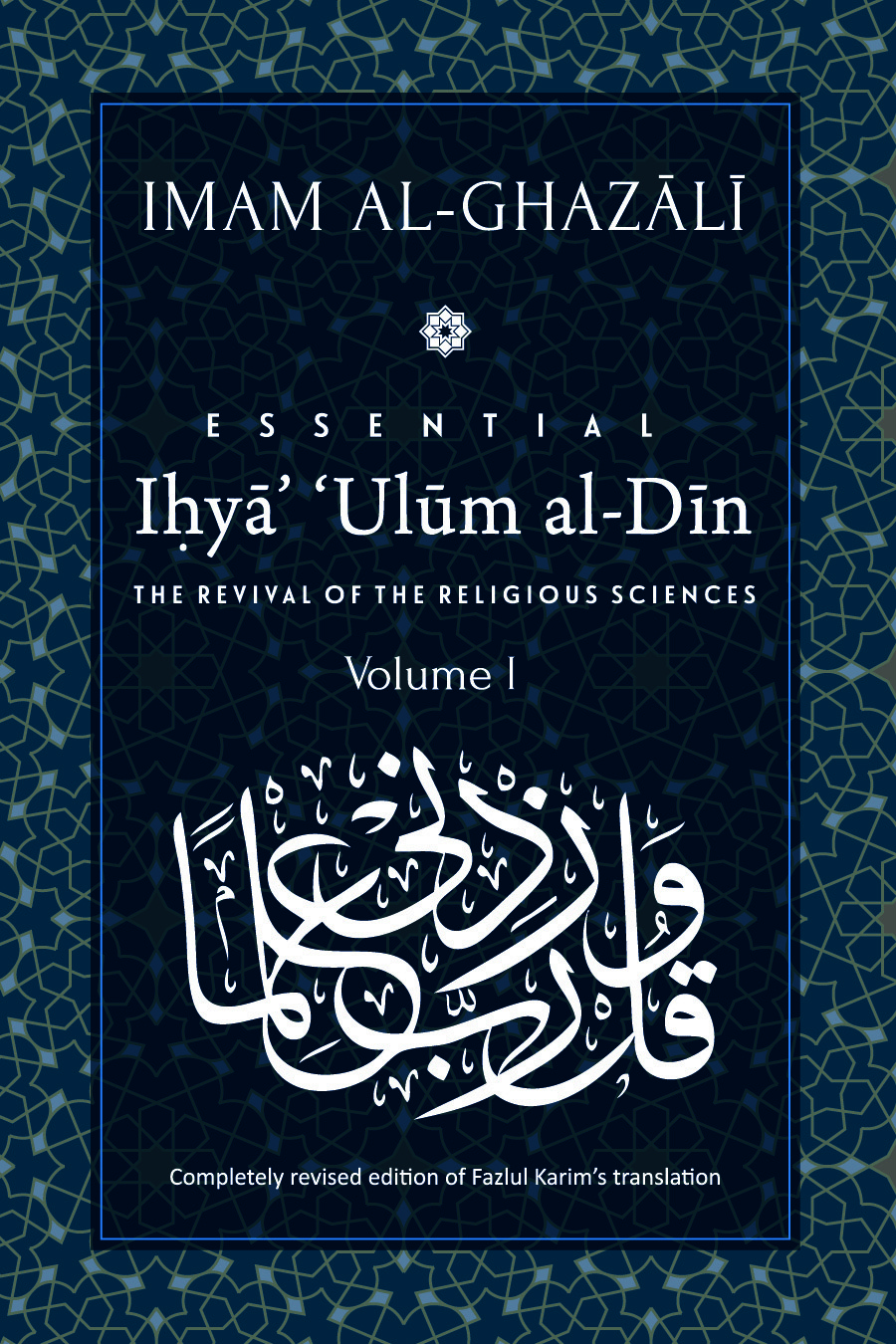
Essential Ihyaʾ ʿUlum al-Din book cover
Essential Ihyaʾ ʿUlum al-Din
The Revival of the Religious Sciences: Volume I
1097
First Published
4.25
Average Rating
379
Number of Pages

Part of Series

Completely revised edition of Fazlul Karim's translation The Revival of the Religious Sciences by Imam al-Ghazali can be described as a book that will never die. This is because it contains a vital cognitive force that time cannot obliterate. In it the Imam discusses Islamic rulings, beliefs and character, in the style of an admonisher who understands the psyche and its secrets as well as spiritual diseases. What distinguishes this book from others is its strong spiritual influence on the reader which makes him seek both soundness of heart and his Lord’s pleasure through acts of worship, rather than the mere performance of acts of worship so that they are legally valid. The book is a comprehensive encyclopaedia for all of a Muslim’s religious affairs, including beliefs, acts of worship, dealings and character, as well as for individual and societal welfare. Al-Ghazālī’s style is that of one who practices what he knows, one who is determined to rise from the dry, ordinary manner of teaching to one which encourages action. Volume one consists of ten Books covering Knowledge, The foundations of belief, The mysteries of cleanliness, Prayer, Zakah, Fasting, The secrets of pilgrimage, Recitation of the Qur’an, Invocations and supplications, and Regular devotions.
Avg Rating
4.25
Number of Ratings
8
5 STARS
50%
4 STARS
25%
3 STARS
25%
2 STARS
0%
1 STARS
0%
goodreads

Author

Abu Hamid al-Ghazali
Author · 77 books

أبو حامد الغزالي Muslim theologian and philosopher Abu Hamid al-Ghazali of Persia worked to systematize Sufism, Islamic mysticism, and in The Incoherence of the Philosophers (1095) argued the incompatibility of thought of Plato and Aristotle with Islam. Born in 1058, Abū Ḥāmid Muḥammad ibn Muḥammad al-Ghazālī ranked of the most prominent and influential Sunni jurists of his origin. Islamic tradition considers him to be a Mujaddid, a renewer of the faith who, according to the prophetic hadith, appears once every century to restore the faith of the ummah ("the Islamic Community"). His works were so highly acclaimed by his contemporaries that al-Ghazali was awarded the honorific title "Proof of Islam" (Hujjat al-Islam). Al-Ghazali believed that the Islamic spiritual tradition had become moribund and that the spiritual sciences taught by the first generation of Muslims had been forgotten.[24] That resulted in his writing his magnum opus entitled Ihya 'ulum al-din ("The Revival of the Religious Sciences"). Among his other works, the Tahāfut al-Falāsifa ("Incoherence of the Philosophers") is a significant landmark in the history of philosophy, as it advances the critique of Aristotelian science developed later in 14th-century Europe. أبو حامد محمد الغزّالي الطوسي النيسابوري الصوفي الشافعي الأشعري، أحد أعلام عصره وأحد أشهر علماء المسلمين في القرن الخامس الهجري،(450 هـ - 505 هـ / 1058م - 1111م). كان فقيهاً وأصولياً وفيلسوفاً، وكان صوفيّ الطريقةِ، شافعيّ الفقهِ إذ لم يكن للشافعية في آخر عصره مثلَه.، وكان على مذهب الأشاعرة في العقيدة، وقد عُرف كأحد مؤسسي المدرسة الأشعرية في علم الكلام، وأحد أصولها الثلاثة بعد أبي الحسن الأشعري، (وكانوا الباقلاني والجويني والغزّالي) لُقّب الغزالي بألقاب كثيرة في حياته، أشهرها لقب "حجّة الإسلام"، وله أيضاً ألقاب مثل: زين الدين، ومحجّة الدين، والعالم الأوحد، ومفتي الأمّة، وبركة الأنام، وإمام أئمة الدين، وشرف الأئمة. كان له أثرٌ كبيرٌ وبصمةٌ واضحةٌ في عدّة علوم مثل الفلسفة، والفقه الشافعي، وعلم الكلام، والتصوف، والمنطق، وترك عدداَ من الكتب في تلك المجالات.ولد وعاش في طوس، ثم انتقل إلى نيسابور ليلازم أبا المعالي الجويني (الملقّب بإمام الحرمين)، فأخذ عنه معظم العلوم، ولمّا بلغ عمره 34 سنة، رحل إلى بغداد مدرّساً في المدرسة النظامية في عهد الدولة العباسية بطلب من الوزير السلجوقي نظام الملك. في تلك الفترة اشتُهر شهرةً واسعةً، وصار مقصداً لطلاب العلم الشرعي من جميع البلدان، حتى بلغ أنه كان يجلس في مجلسه أكثر من 400 من أفاضل الناس وعلمائهم يستمعون له ويكتبون عنه العلم. وبعد 4 سنوات من التدريس قرر اعتزال الناس والتفرغ للعبادة وتربية نفسه، متأثراً بذلك بالصّوفية وكتبهم، فخرج من بغداد خفيةً في رحلة طويلة بلغت 11 سنة، تنقل خلالها بين دمشق والقدس والخليل ومكة والمدينة المنورة، كتب خلالها كتابه المشهور إحياء علوم الدين كخلاصة لتجربته الروحية، عاد بعدها إلى بلده طوس متخذاً بجوار بيته مدرسةً للفقهاء، وخانقاه (مكان للتعبّد والعزلة) للصوفية.

548 Market St PMB 65688, San Francisco California 94104-5401 USA
© 2025 Paratext Inc. All rights reserved