Margins
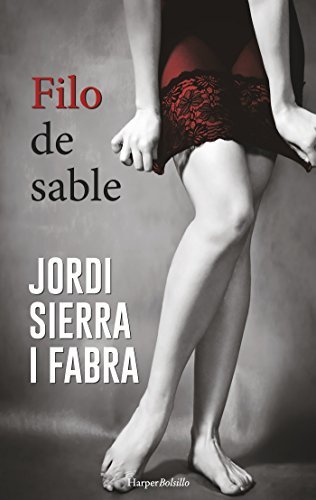
Filo de sable book cover
Filo de sable
2014
First Published
4.15
Average Rating
312
Number of Pages

Part of Series

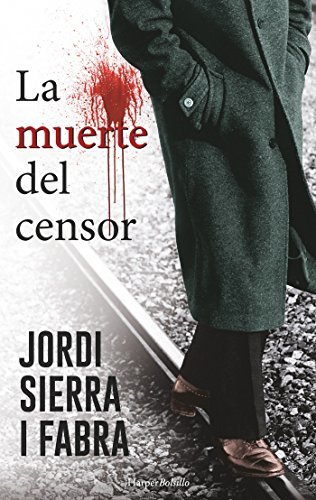
—Cabrón hijo de puta... —suspiró Hilario. —Se le fue la mano. —Viva España—susurró sin énfasis. —La mató y le entró el pánico. —O le provocó una hemorragia. Ella se desgarró en su maldito juego de violación y la dejó morir, por no llamar a un médico. Filo de sable es un absorbente thriller policiaco que recrea la turbia Barcelona franquista de los sesenta. Con una trama implacable, el nuevo caso del comisario Hilario Soler, tras La muerte del censor, ilumina algunas de las sombras más oscuras de nuestra historia reciente. Ejecutado. En medio de la calle. Un charco de sangre en el suelo y un agujero de bala en la nuca. Pero la policía no encuentra ningún casquillo, es obra de un profesional. Hilario Soler, el investigador insobornable, el hombre honesto que incomoda superiores y compañeros, se encarga del caso: la víctima era el chófer de uno de los generales retirados más destacados del régimen. Prueba a prueba, indicio a indicio, una terrible sospecha se abrirá paso ante los ojos incrédulos de los investigadores. Una sospecha tan insoslayable como peligrosa y repulsiva. Jordi Sierra i Fabra (Barcelona, 1947) es uno de los escritores más prolíficos en lengua castellana. Publicó su primer libro en 1972, ha escrito más de cuatrocientas obras y ha ganado casi 40 premios literarios a ambos lados del Atlántico. En 2004 creó la Fundació Jordi Sierra i Fabra, en Barcelona, y la Fundación Taller de Letras Jordi Sierra i Fabra en Medellín, Colombia, como culminación de toda una carrera y de su compromiso ético y social. www.sierraifabra.com
Avg Rating
4.15
Number of Ratings
98
5 STARS
31%
4 STARS
54%
3 STARS
15%
2 STARS
0%
1 STARS
0%
goodreads

Author

Jordi Sierra i Fabra
Author · 170 books

1947 —Born in Barcelona, July 26th. 1955 —Serious accident. First literary incursions. 1959 —First full-length novel, 500 pages. Firm intention to become a writer. 1964 —Graduates from high school. Attends technical school at night and works during the day for a construction company. 1968 —First professional attempts in the musical field. Founder of and collaborator in El Gran Musical radio programme (Cadena SER, Madrid). Additional collaborations with Radio Barcelona. —Writes articles and collaborations for La Prensa in Barcelona and for Nuevo Diario in Madrid. 1969 —Correspondent for El Gran Musical in Barcelona. 1970 —Quits job and studies to work full-time as a music critic. Manages the weekly magazine Disco Express. —Starts travelling all over the world with top musicians. 1972 —First book published: 1962-72 Historia de la música pop (1962-72 A history of pop music), the first work in its genre published in Spain and a best-seller. —Works as an editorial adviser, collaborating, writing and founding several music magazines, such as Top Magazine and Extra. 1973 —Founds and features in Popular 1, a pioneer monthly magazine about rock. 1974 —Becomes executive manager of Popular 1. —Finalist to the Ciudad de Murcia Literature Prize. —Hosts the Semanario Informativo de la Música Pop (Pop Music Weekly News), a radio programme to be aired for four years on Barcelona’s Radio Peninsular. 1975 —Villa de Bilbao Novel Prize. 1976 —Resigns as executive manager of Popular 1 to devote himself to literature and travelling. —Beginning of the musical anthology collection (biographies and history) Música de Nuestro Tiempo (Music of Our Time). Writes and publishes 24 books in the following years. 1977 —Co-founder of Super-Pop magazine, on young people’s music. Number one in Spain in its category after only a few months in print. 1978 —Finalist to the Planeta Novel Prize. —Resigns as manager of Disco Express after 9 years. 1979 —Ateneo de Sevilla Novel Prize. 1981 —Gran Angular Young People’s Literature Prize. —Begins publishing Historia de la música rock (A history of rock music) in 100 instalments (6 volumes) over 2 years. 1982 —First lecture circuits for primary and secondary schools around Spain, prompted by the boom in children and young people’s literature. Continues activities in schools to this day, giving more than 100 lectures a year. 1983 —Wins Gran Angular Youth Literature Prize for the second time. 1985 —Birth of the detective character Daniel Ross. 1987 —Author of the radio serial Ya es de oro (Gold Already) for Cadena SER. 1988 —Births of the literary characters Zuk-1 and Sam Numit. —El joven Lennon (Young Lennon) remains on the young adult fiction best-seller list for 11 months. —First books translated into Italian, German, French, Greek, Bulgarian, Portuguese, Slovenian, Dutch, English, Japanese, etc. (still translated to this day). 1989 —Birth of Victor, another literary character. —First Daniel Ross film on TV, La sombra del delator (The shadow of the informer), aired on March 1994 with Mario Gas and Manuel Aleixandre in the leading roles. 1990 —Vaixell de Vapor Children’s Literature Prize. —Timun Mas begins publishing Sam Numit. A total of 6 books in 2 years. —Designs a trivia game on rock music. 1991 —Wins the Gran Angular Young People’s Literature Prize for the third time in 10 years. 1992 —Wins the CCEI 1991 Best Children’s Book Prize. —Diccionario de los Beatles (A Beatles Dictionary), first book in the world published under this concept and title. 1993 —Publishes the encyclopaedia Los grandes del rock de la A a la Z (Rock legends from A to Z) in Italy, titled Los mitos del rock en vivo (Live rock legends), 100 instalments, 5 volumes.

548 Market St PMB 65688, San Francisco California 94104-5401 USA
© 2026 Paratext Inc. All rights reserved