Margins




548 Market St PMB 65688, San Francisco California 94104-5401 USA
© 2026 Paratext Inc. All rights reserved
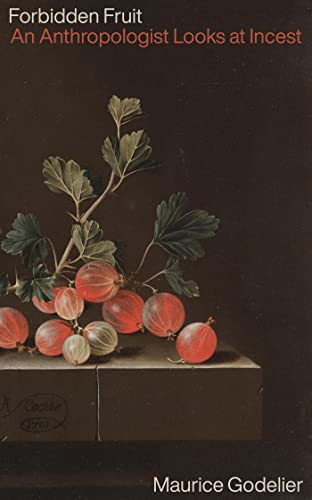
Exploring the role of the incest prohibition in human societies What is incest? Is it universally prohibited? Does this prohibition concern only "biological" kinships or does it extend to various "social" kinships, such as those that are formed today in so-called blended families but which also exist in many other societies? This prohibition plays a fundamental role in the functioning of the multiple kinship systems studied throughout the world. But where does it come from? Can we think, with Claude Lévi-Strauss, that the prohibition of incest alone marks the passage from nature to culture? And how can we understand, then, the persistent tension between the proclaimed, institutionalized prohibition and the incestuous practice which, everywhere, remains? World-renowned anthropologist Maurice Godelier highlights an essential fact, the spontaneously asocial and undifferentiated character of human sexuality and the need for a social regulation of this spontaneity. It thus brings to light the main teachings of anthropology on the question of incest, a major social fact of burning relevance today.