Margins




548 Market St PMB 65688, San Francisco California 94104-5401 USA
© 2026 Paratext Inc. All rights reserved

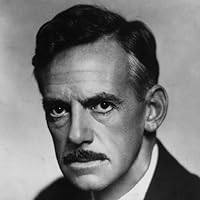
Eugene O'Neill was an American playwright who won the 1936 Nobel Prize in Literature "for the power, honesty and deep-felt emotions of his dramatic works, which embody an original concept of tragedy." More than any other dramatist, O'Neill introduced American drama to the dramatic realism pioneered by Russian playwright Anton Chekhov, Norwegian playwright Henrik Ibsen, and Swedish playwright August Strindberg, and was the first to use true American vernacular in his speeches. His plays involve characters who inhabit the fringes of society, engaging in depraved behavior, where they struggle to maintain their hopes and aspirations but ultimately slide into disillusionment and despair. Includes: Strange Interlude (1928) Mourning Becomes Electra (1931) A Moon for the Misbegotten (1947) A Touch of the Poet (1958) This limited edition of Eugene O'Neill Four Plays is published exclusively for subscribers to The Franklin Library collection The 100 Greatest Books of All Time