Margins




548 Market St PMB 65688, San Francisco California 94104-5401 USA
© 2026 Paratext Inc. All rights reserved
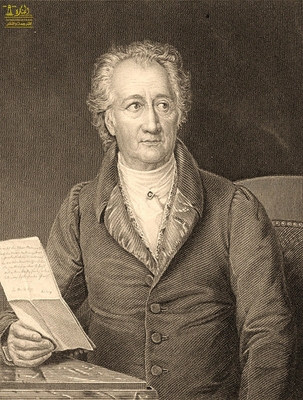
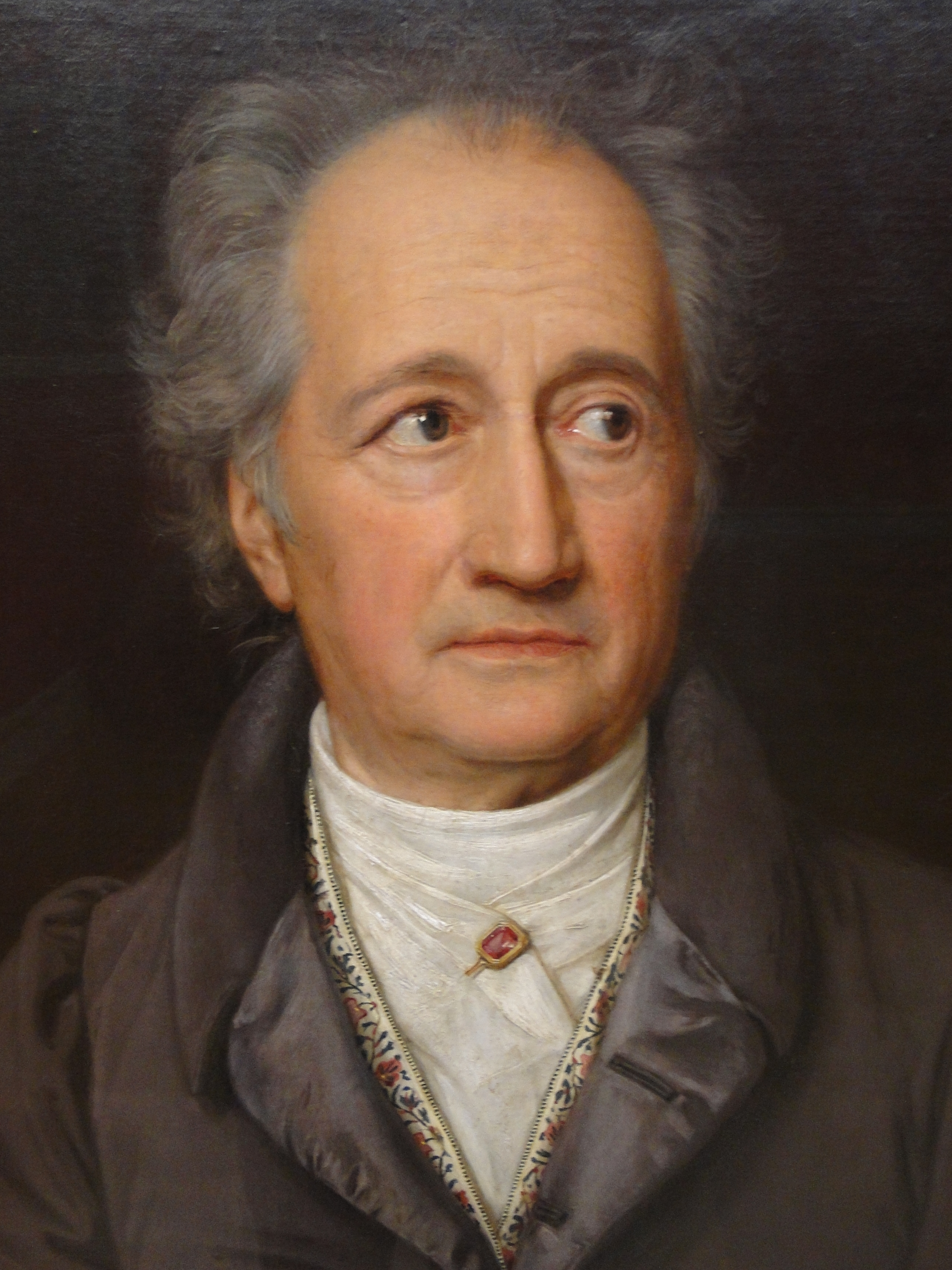
Unser Dichter ist dahingegangen; wir betrachten sein m�chtiges Leben; wir erforschen seine Spuren; wir sammeln was ihn betrifft, um der Geschichte die verklungenen T�ne zu �berweisen, aus denen sie die unverg�ngliche Sprache bildet, zur Erhebung und Belehrung der Menschen Johann Wolfgang von Goethe, (born August 28, 1749, Frankfurt am Main [Germany]—died March 22, 1832, Weimar, Saxe-Weimar), German poet, playwright, novelist, scientist, statesman, theatre director, critic, and amateur artist, considered the greatest German literary figure of the modern era. Goethe is the only German literary figure whose range and international standing equal those of Germany's supreme philosophers (who have often drawn on his works and ideas) and composers (who have often set his works to music). In the literary culture of the German-speaking countries, he has had so dominant a position that, since the end of the 18th century, his writings have been described as "classical." In a European perspective he appears as the central and unsurpassed representative of the Romantic movement, broadly understood. He could be said to stand in the same relation to the culture of the era that began with the Enlightenment and continues to the present day as William Shakespeare does to the culture of the Renaissance and Dante to the culture of the High Middle Ages. His Faust, though eminently stageworthy when suitably edited, is also Europe's greatest long poem since John Milton's Paradise Lost, if not since Dante's The Divine Comedy. Early years (1749-69) Goethe was one of the very few figures of Germany's 18th-century literary renaissance who were, in the full sense of the term, bourgeois. Unlike most of his contemporaries, he had no need, at least in the first half of his life, to seek princely patronage of his writing or employment as an official or an academic. The Frankfurt in which he was born and in which his social attitudes were formed was, as it is now, a wealthy commercial and financial centre, but it was also virtually a self-governing republic, a city-state within the Holy Roman Empire. The nobility and the grand and petty sovereigns who figured so much in Goethe's later life had no part in his early experiences: he was a town child from a rich family in an essentially middle-class world. His father, Johann Caspar Goethe (1710-82), the son of a wealthy tailor-turned-innkeeper, was a man of leisure who lived on his inherited fortune and devoted himself, after studying law in Leipzig and Strasbourg and touring Italy, France, and the Low Countries, to collecting books and paintings and to the education of his children. Goethe's mother, Catharina Elisabeth Textor (1731-1808), was one of the daughters of Frankfurt's most senior official and was a lively woman closer in age to her son than to her husband. Goethe was the eldest of seven children, though only one other survived into adulthood, his sister Cornelia (1750-77), for whom he felt an intense affection of whose potentially incestuous nature he seems to have been aware. Another emotional factor in the poet's childhood that may have affected his later development was a love-hate relationship with a younger brother, who died in 1759 at age six: Goethe's later relationships with literary contemporaries were ambiguous, though he nonetheless described them as "brothers," and he was repelled by literary and artistic representations of death.