Margins
Sign in
Margins
548 Market St PMB 65688, San Francisco California 94104-5401 USA
hello@margins.app
·
+1 (650) 223-5283
Privacy Policy
·
Terms of Use
© 2026 Paratext Inc. All rights reserved
Great Lives of the Ancient World
Great Lives of the Ancient World
Series · 4 books · 2024-2026
By
Nicholas Nicastro
,
Carol Atack
,
Elizabeth Craik
, and more
Books in series
#1
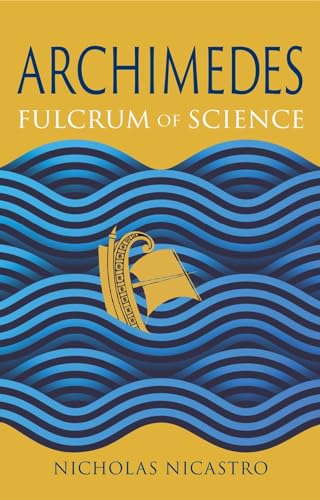
Archimedes
2024
#2
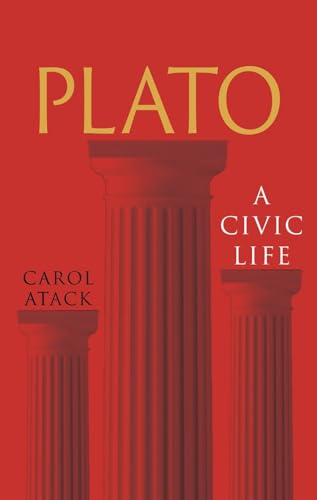
Plato
2025
Now in paperback, a new reading of Plato’s philosophy that reveals it as deeply shaped by his experiences in Athens. Plato is a key figure from the beginnings of Western philosophy, yet the impact of his lived experience on his thought has rarely been explored. Born during a war that would lead to Athens’ decline, Plato lived in turbulent times. Carol Atack explores how Plato’s life in Athens influenced his thought, how he developed the Socratic dialogue into a powerful philosophical tool, and how he used the institutions of Athenian society to create a compelling imaginative world. Accessibly written, this book shows how Plato made Athens the place where diverse ideas were integrated into a new way of approaching the big questions about our lives, then and now.
#3
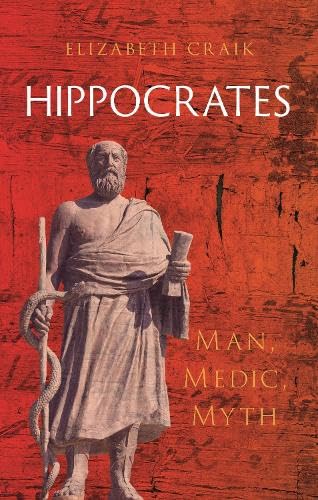
Hippocrates
2026
Who was the so-called ‘father of medicine’, commonly associated with the celebrated Hippocratic Oath? Elizabeth Craik explores evidence for the historical Hippocrates, who lived in the fifth century BCE, and combines it with evidence and compelling excerpts from the ‘Hippocratic Corpus’, a vast and varied collection of Greek medical texts, linked in transmission with his name. Through a focus on locality and innovatory attention to language, Craik shows how several different ‘voices’ may all be regarded as Hippocratic.
Hippocrates: Man, Medic, Myth
brings a vital new orientation to important questions of origins and authorship and provides a novel interpretation of a key figure in the history of medicine.
#4
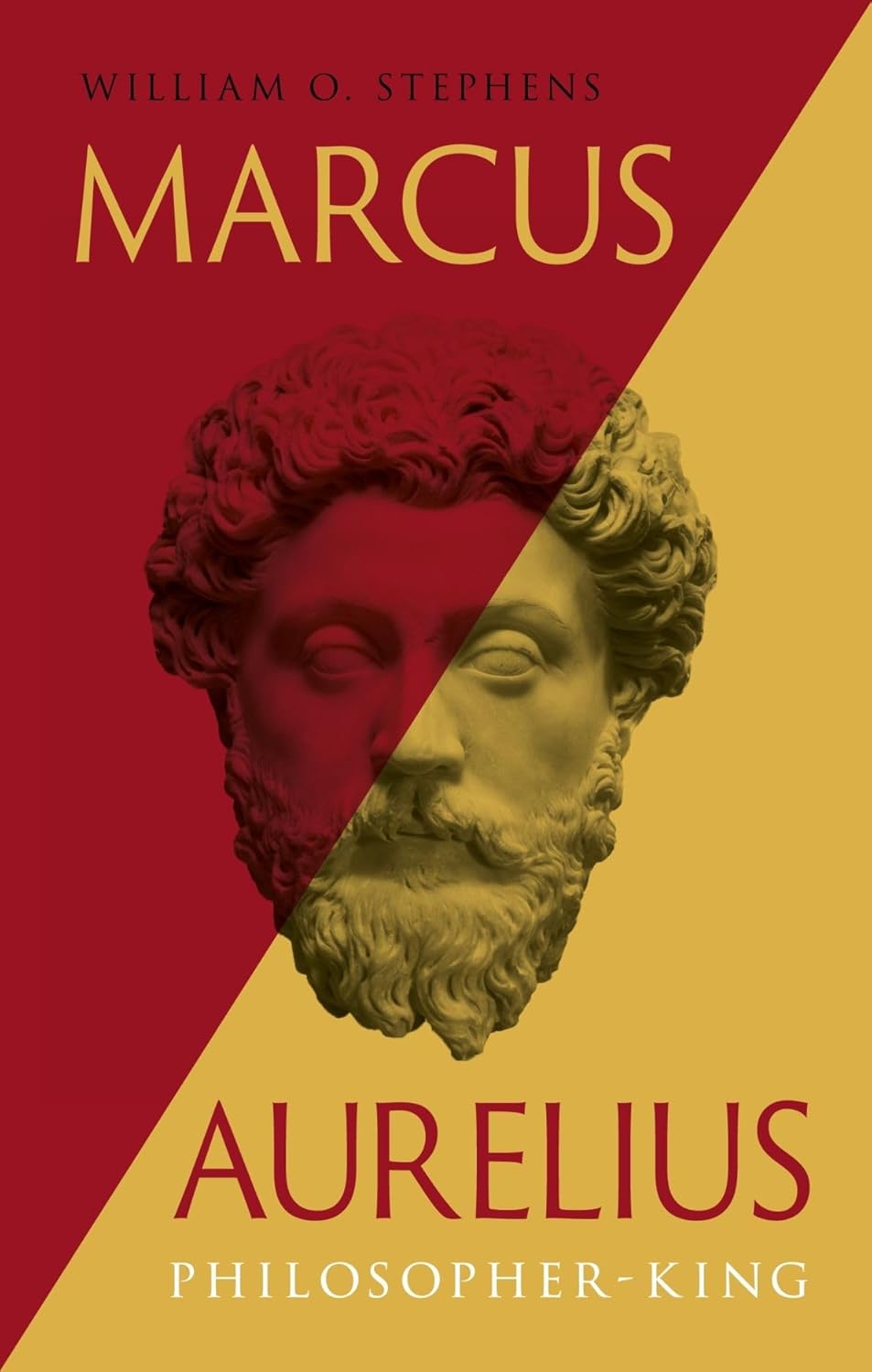
Marcus Aurelius
2025
The moving life and legacy of Rome's great emperor philosopher.
This book guides us through the fascinating life and writings of Marcus Aurelius, Stoic philosopher and Roman emperor. Philosopher William O. Stephens explores Marcus' reluctant rise to power, his marriage, and his efforts to mold his son into a just successor. He examines Marcus' Stoic tenets as he describes the struggles of dealing with a fifteen-year pandemic, the betrayal of a trusted general, social upheaval centered on a new "superstition" (Christianity), and how Marcus' determination to stabilize the empire's borders resulted in strife, broken treaties, and protracted wars. This gripping narrative of Marcus' life, times, and thought, as well as his complex legacy will appeal to all those interested in Roman history.
Authors
Nicholas Nicastro
Author · 12 books
Carol Atack
Author · 2 books
Elizabeth Craik
Author · 1 book
William O. Stephens
Author · 4 books