


Margins
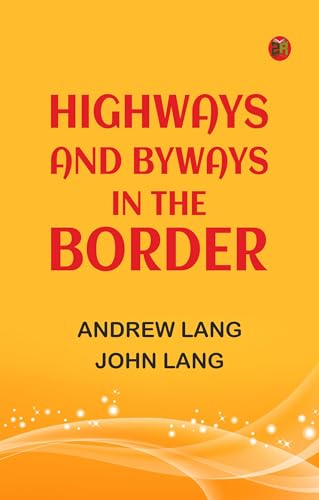
Highways and Byways in the Border book cover
Highways and Byways in the Border
1913
First Published
4.20
Average Rating
413
Number of Pages

Part of Series

"Highways and Byways in the Border" is a captivating travel narrative that explores the picturesque landscapes and rich history of the Border region between England and Scotland. Authored by Andrew Lang and John Lang, the book offers a delightful blend of personal anecdotes, cultural insights, and vivid descriptions of the scenery. The authors take readers on a journey through charming villages, ancient castles, and breathtaking natural beauty, making it an engaging read for anyone interested in the history and culture of this unique area. *** The Lang brothers' writing is characterized by its lyrical prose and keen observations, which bring the Border to life. They delve into local folklore, historical events, and the lives of the people who inhabit this borderland, providing a comprehensive view of the region. Their passion for exploration and storytelling shines through, inviting readers to experience the charm and allure of the Border. This book serves not only as a travel guide but also as a historical document that captures the essence of a fascinating part of the British Isles.
Avg Rating
4.20
Number of Ratings
5
5 STARS
60%
4 STARS
0%
3 STARS
40%
2 STARS
0%
1 STARS
0%
goodreads

Authors

Andrew Lang
Andrew Lang
Author · 73 books

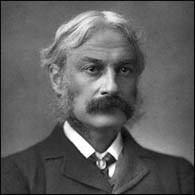
Andrew Gabriel Lang was a prolific Scots man of letters. He was a poet, novelist, and literary critic, and a contributor to anthropology. He now is best known as a collector of folk and fairy tales. The Young Scholar and Journalist Andrew Gabriel Lang grew up in Selkirk in the Scottish Borders, the son of the town clerk and the eldest of eight children. The wild and beautiful landscape of his childhood had a great effect on the young Lang and inspired in him not only a life-long love of the outdoors but a fascination with local folklore and history. The Borders is an area rich in history and he grew up surrounded by tales of Bonnie Prince Charlie and Robert the Bruce. Amongst his many later literary achievements was his Short History of Scotland. A gifted student and avid reader, Lang went to the prestigious St Andrews University (now holding a lecture series in his honour every few years) and then to Balliol College, Oxford. He would later write about the city in Oxford: Brief Historical and Descriptive Notes, published in 1880. Moving to London at the age of 31, already a published poet, he started working as a journalist. His dry sense of humour, writing style and huge array of interests made him a popular editor and columnist and he was soon writing for The Daily Post, Time magazine and Fortnightly Review. It was whilst working in London that he met and married his wife Leonore Blanche Alleyne. The Fairy Books Amongst the most famous of Andrew Lang books are The Rainbow Fairy Books, growing from Lang's interest in myths and folklore which continued to grow as he and Leonore travelled through France and Italy hearing local legends. In the late 19th century, interest in the native fairy tales of Britain had declined and there were very few books recounting them for young readers. In fact fairy tales and magical stories in general were being attacked by some educationalists as being harmful to children. It was to challenge this notion that Lang first began collecting fairy stories for the first of his coloured fairy books, The Blue Fairy Book. Whilst other folklorists collected stories directly from source, Lang set about gathering those stories which had already been recorded. This gave him time to collect a much greater breadth of fairy tales from all over the world, most from well-known writers such as the Brothers Grimm, Madame d'Aulnoy and others from less well known sources. Whilst Lang also worked as the editor for his work and is often credited as its sole creator, the support of his wife, who transcribed and organised the translation of the text, was essential to the work's success. The Blue Fairy Book was published in 1889 to wide acclaim. The beautiful illustrations and magical tales captivated the minds of children and adults alike. The success of the first book allowed Lang and Leonore to carry on their research and in 1890 they published The Red Fairy Book, which drew on even more sources and had a much larger print run. Between 1889 and 1910 they published twelve collections of fairy tales, each with a different coloured binding, with a total of 437 stories collected, edited and translated. The books are credited with reviving interest in folklore, but more importantly for Lang, they revolutionised the Victorian view of fairy tales - inspiring generations of parents to begin reading them to children once more. Last Works At the same time as he was producing the Fairy Books, Lang continued to write a wide assortment of novels, literary criticism, articles and poetry. However, as literary critic Anita Silvey noted, 'The irony of Lang's life and work is that although he wrote for a profession... he is best recognised for the works he did not write.' - the Rainbow Fairy Books. The last Andrew Lang book, Highways and Byways of the Border remained unfinished after his death on 20th July 1912;

John Lang
Author · 7 books

Born in Australia in 1816, John Lang - novelist, newspaper editor and barrister, now best known for having defended the Rani of Jhansi in court against the British East India Company - spent a large part of his ife in India, and died in Mussoorie in 1864. A keen traveller and observer of human nature, Lang was also a raconteur par excellence. His grave was found after much tribulations in the cemetry on Camelsback Road in Mussoorie by none other than the ace writer Ruskin Bond himself.

548 Market St PMB 65688, San Francisco California 94104-5401 USA
© 2026 Paratext Inc. All rights reserved