Margins


548 Market St PMB 65688, San Francisco California 94104-5401 USA
© 2026 Paratext Inc. All rights reserved
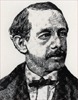
Horatio Alger, Jr. (January 13, 1832 – July 18, 1899) was a prolific 19th-century American author, most famous for his novels following the adventures of bootblacks, newsboys, peddlers, buskers, and other impoverished children in their rise from humble backgrounds to lives of respectable middle-class security and comfort. His novels about boys who succeed under the tutelage of older mentors were hugely popular in their day. Born in Chelsea, Massachusetts, the son of a Unitarian minister, Alger entered Harvard University at the age of sixteen. Following graduation, he briefly worked in education before touring Europe for almost a year. He then entered the Harvard Divinity School, and, in 1864, took a position at a Unitarian church in Brewster, Massachusetts. Two years later, he resigned following allegations he had sexual relations with two teenage boys.[1] He retired from the ministry and moved to New York City where he formed an association with the Newsboys Lodging House and other agencies offering aid to impoverished children. His sympathy for the working boys of the city, coupled with the moral values learned at home, were the basis of his many juvenile rags to riches novels illustrating how down-and-out boys might be able to achieve the American Dream of wealth and success through hard work, courage, determination, and concern for others. This widely held view involves Alger's characters achieving extreme wealth and the subsequent remediation of their "old ghosts." Alger is noted as a significant figure in the history of American cultural and social ideals. He died in 1899. The first full-length Alger biography was commissioned in 1927 and published in 1928, and along with many others that borrowed from it later proved to be heavily fictionalized parodies perpetuating hoaxes and made up anecdotes that "would resemble the tell-all scandal biographies of the time."[2] Other biographies followed, sometimes citing the 1928 hoax as fact. In the last decades of the twentieth century a few more reliable biographies were published that attempt to correct the errors and fictionalizations of the past.
4
2024
4
2020
2020
4
2019
2011
2010
2005
2005
2005
2004
2001
1986
1976
1910
1910
1906
The Adventures of a Young Deckhand
1906
1903
1902
1901
1899
1898
1897
1896
1896
1895
1894
1894
1893
1893
1893
Scenes in the Life of a Bowery Newsboy
1892
Right is Might
1890
1890
1890
1889
1888
1888
1887
1887
1887
1886
1886
1885
1884
1882
1882
1881
1881
1881