Margins
Sign in
Margins
548 Market St PMB 65688, San Francisco California 94104-5401 USA
hello@margins.app
·
+1 (650) 223-5283
Privacy Policy
·
Terms of Use
© 2026 Paratext Inc. All rights reserved
How to Read...
How to Read...
Series · 2 books · 2008
By
Maurizio Viroli
,
Miriam Leonard
Books in series
#25
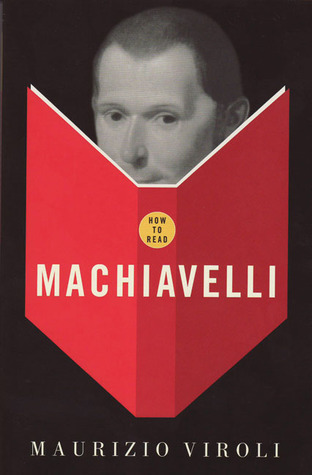
How to Read Machiavelli
2008
Niccolò Machiavelli (1459–1527) is one of most influential modern political thinkers. His works, above all
The Prince
,
The Discourses on Livy
,
The Florentine Histories
, and
The Art of War
, are still passionately discussed in the intellectual community and continue to suscitate new visions of political action. Against the trite commonplace that Machiavelli was a teacher of evil who justified political immorality, Maurizio Viroli shows, on the basis of a rigorous study of his texts, that Machiavaelli taught instead the best way to attain true glory through political action and that his works were inspired by a profound love of republican liberty. Extracts are taken from the whole corpus of Machiavelli’s works, including his personal letters.
#26
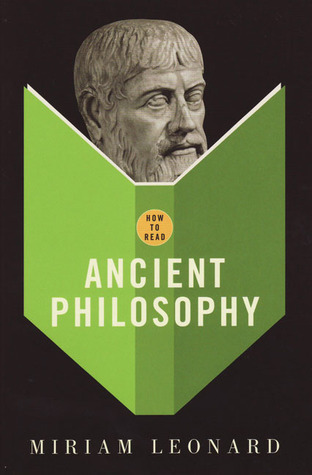
How to Read Ancient Philosophy
2008
Thinkers such as Aristotle, Plato, and Parmenides have shaped the way we see the world, and it is their original conception of philosophy which has placed topics such as logic, metaphysics, ethics, and ontology at the heart of philosophical debates for centuries. Miriam Leonard not only explores the central theories of their works, but also gives some sense of the messy process of abstraction, where written texts get transformed into timeless ideals. She looks at how simple phrases such as “in what way?” or “there is” are turned into the language of philosophy. Taking passages from Heraclitus, Parmenides, Lucretius, and Cicero as well as Plato and Aristotle, this guide provides an insight into the influence of its texts on the later history of ideas.
Authors
Maurizio Viroli
Author · 9 books
Miriam Leonard
Author · 2 books