Margins




548 Market St PMB 65688, San Francisco California 94104-5401 USA
© 2026 Paratext Inc. All rights reserved
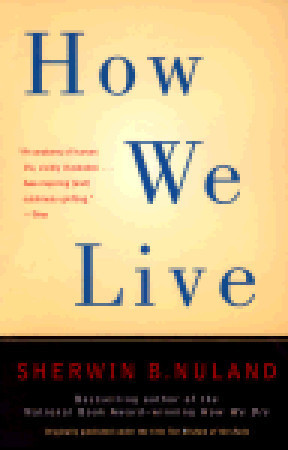
Having won the National Book Award for How We Die, his best-selling inquiry into the causes and modes of death, Sherwin Nuland now turns his attention to the miraculous resiliency of human life. For this lucid, wonderful, and wonder-filled new book explores the body's mysterious capacity to marshal disparate organs and processes in the interests of survival. Like its predecessor, How We Live is filled with gripping medical case a woman is pulled back from the brink of death from inexplicable internal bleeding; another patient triumphs over breast cancer; the "routine" removal of a polyp triggers a nearly lethal medical crisis. For Nuland, each of these cases serves to illustrate the extraordinary responsiveness and adaptability of the human organism. We learn how the aorta's baroreceptors monitor blood pressure and respond to its minutest fluctuations. We follow the intricate chain of electrochemical command that makes us leap out of the path of a speeding car. We discover why the stomach—which is capable of breaking down everything from porridge to pizza—refrains from digesting itself. Informed by sympathy for human suffering and an erudition that includes poetry and the Talmud as well as the medical canon, How We Live is science writing of the rarest kind—lucid, poetic, and genuinely uplifting.