Margins
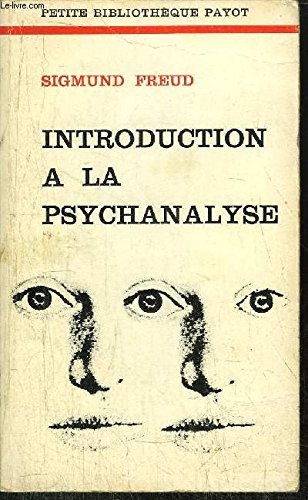
Introducción al psicoanálisis book cover
Introducción al psicoanálisis
1974
First Published
3.61
Average Rating
301
Number of Pages
«Mi vida se ha dedicado a una sola meta, inferir o adivinar cómo está construido el aparato mental y qué fuerzas interaccionan y se contrarrestan en él», dijo Sigmund Freud. Y este libro condensa su tarea vital. El neurólogo austriaco (1856-1917) recopila en Introducción al psicoanálisis las conferencias que impartió entre 1915 y 1917 para defender sus teorías. Los textos aquí recogidos por él son divulgativos y con numerosos ejemplos, pues estaban destinados a una audiencia formada tanto por médicos especialistas como por pacientes y seguidores.Introducción al psicoanálisis corresponde a una etapa de madurez en la que Freud ya había salido triunfante de los numerosos ataques y disputas que jalonaron su vida. Así pues, recoge aspectos de sus obras más importantes, como La interpretación de los sueños o Tres contribuciones a la teoría sexual, que ya habían sido publicadas. Aunque algunas de sus exposiciones no pueden sino leerse con la distancia que da el paso del tiempo, otras continúan aún vigentes y siguen marcando las líneas de trabajo de psiquiatras, psicólogos, psicoanalistas y psicoterapeutas de hoy. En cualquier caso, Introducción al psicoanálisis se aborda con la curiosidad que sigue despertando quien revolucionó la concepción de la psique humana y también con gusto, dada su amenidad. No olvidemos que estos textos estaban pensados para mantener despierto a un auditorio heterogéneo durante las más de dos horas que duraba cada conferencia.

Avg Rating
3.61
Number of Ratings
51
5 STARS
27%
4 STARS
29%
3 STARS
27%
2 STARS
8%
1 STARS
8%
goodreads

Author

Sigmund Freud
Sigmund Freud
Author · 231 books

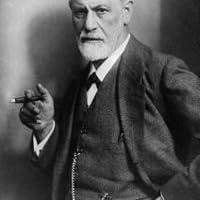
Dr. Sigismund Freud (later changed to Sigmund) was a neurologist and the founder of psychoanalysis, who created an entirely new approach to the understanding of the human personality. He is regarded as one of the most influential—and controversial—minds of the 20th century. In 1873, Freud began to study medicine at the University of Vienna. After graduating, he worked at the Vienna General Hospital. He collaborated with Josef Breuer in treating hysteria by the recall of painful experiences under hypnosis. In 1885, Freud went to Paris as a student of the neurologist Jean Charcot. On his return to Vienna the following year, Freud set up in private practice, specialising in nervous and brain disorders. The same year he married Martha Bernays, with whom he had six children. Freud developed the theory that humans have an unconscious in which sexual and aggressive impulses are in perpetual conflict for supremacy with the defences against them. In 1897, he began an intensive analysis of himself. In 1900, his major work 'The Interpretation of Dreams' was published in which Freud analysed dreams in terms of unconscious desires and experiences. In 1902, Freud was appointed Professor of Neuropathology at the University of Vienna, a post he held until 1938. Although the medical establishment disagreed with many of his theories, a group of pupils and followers began to gather around Freud. In 1910, the International Psychoanalytic Association was founded with Carl Jung, a close associate of Freud's, as the president. Jung later broke with Freud and developed his own theories. After World War One, Freud spent less time in clinical observation and concentrated on the application of his theories to history, art, literature and anthropology. In 1923, he published 'The Ego and the Id', which suggested a new structural model of the mind, divided into the 'id, the 'ego' and the 'superego'. In 1933, the Nazis publicly burnt a number of Freud's books. In 1938, shortly after the Nazis annexed Austria, Freud left Vienna for London with his wife and daughter Anna. Freud had been diagnosed with cancer of the jaw in 1923, and underwent more than 30 operations. He died of cancer on 23 September 1939.

548 Market St PMB 65688, San Francisco California 94104-5401 USA
© 2026 Paratext Inc. All rights reserved