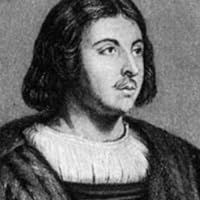
For over two centuries after Boccaccio's groundbreaking Decameron, the Italian novella exercised a crucial influence over European prose fiction. With thirty-nine stories by nineteen authors, many translated for the first time, this anthology presents tales from the whole genre and period. Here we meet a rich cast of humble peasants and shrewd craftsmen, frustrated wives, libidinous friars, ill-fated lovers, and vengeful nobles. These works had a considerable impact in English, and the selection includes tales that have provided sources for Chaucer, Shakespeare, Webster, Marston, Dryden, Byron and Keats. The typical novella is situated in a precise time and place and features people who either existed historically or are presumed to have done so. The subject-matter, whether ribald or sentimental, comic or tragic, often reflects the social and economic conditions of its age and thus the novella has been seen as a crucial stage in the development of fictional realism and the emergence of the novel.
Authors


Franco Sacchetti (c. 1335 – c. 1400) was an Italian poet and novelist. He wrote sonnets, canzoni, madrigals, and other poems; his best known works are however his Novelle (short stories). They were originally 300 in number, but today only 258 remain, the rest having been lost. They were not fitted into any framework like that of Boccaccio's Decameron. The best of them are of a humorous character; and their style is more simple and colloquial than Boccaccio's. The story given as a specimen probably exists (under one form or another) in the folk tales of every European nation.
Pseudonym of Tommaso Guardati Tommaso Guardati (1410-1475) was an Italian poet. Born in Salerno or Sorrento, he is best known today for Il Novellino, a collection of 50 short stories. The stories have a strongly anti-clerical bent, which caused Il Novellino to be included in the first Index of Prohibited Books in 1557. The 33rd story is the tale of Mariotto and Ganozza, apparently adapted by Luigi da Porto (1485–1529) first as "Giulietta e Romeo" and later as "Historia novellamente ritrovata di due nobili amanti" ("Newly retrieved story of two noble lovers"). These three stories, plus the later version by Matteo Bandello and the English translation by Arthur Brooke in the poem Tragicall Historye of Romeus and Juliet (1562) appear to be the sources for Shakespeare's play Romeo and Juliet.