Margins




548 Market St PMB 65688, San Francisco California 94104-5401 USA
© 2026 Paratext Inc. All rights reserved
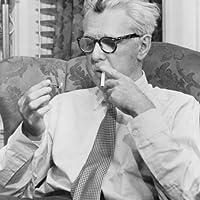
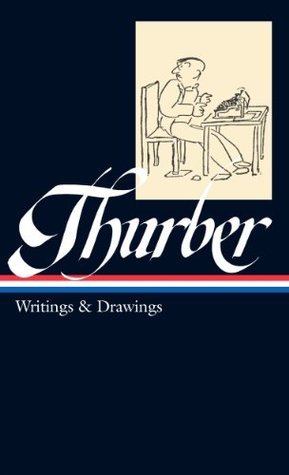
Thurber was born in Columbus, Ohio to Charles L. Thurber and Mary Agnes (Mame) Fisher Thurber. Both of his parents greatly influenced his work. His father, a sporadically employed clerk and minor politician who dreamed of being a lawyer or an actor, is said to have been the inspiration for the small, timid protagonist typical of many of his stories. Thurber described his mother as a "born comedienne" and "one of the finest comic talents I think I have ever known." She was a practical joker, on one occasion pretending to be crippled and attending a faith healer revival, only to jump up and proclaim herself healed. Thurber had two brothers, William and Robert. Once, while playing a game of William Tell, his brother William shot James in the eye with an arrow. Because of the lack of medical technology, Thurber lost his eye. This injury would later cause him to be almost entirely blind. During his childhood he was unable to participate in sports and activities because of his injury, and instead developed a creative imagination, which he shared in his writings. From 1913 to 1918, Thurber attended The Ohio State University, where he was a member of the Phi Kappa Psi Fraternity. He never graduated from the University because his poor eyesight prevented him from taking a mandatory ROTC course. In 1995 he was posthumously awarded a degree. From 1918 to 1920, at the close of World War I, Thurber worked as a code clerk for the Department of State, first in Washington, D.C. and then at the American Embassy in Paris, France. After this Thurber returned to Columbus, where he began his writing career as a reporter for the Columbus Dispatch from 1921 to 1924. During part of this time, he reviewed current books, films, and plays in a weekly column called "Credos and Curios," a title that later would be given to a posthumous collection of his work. Thurber also returned to Paris in this period, where he wrote for the Chicago Tribune and other newspapers. In 1925, he moved to Greenwich Village in New York City, getting a job as a reporter for the New York Evening Post. He joined the staff of The New Yorker in 1927 as an editor with the help of his friend and fellow New Yorker contributor, E.B. White. His career as a cartoonist began in 1930 when White found some of Thurber's drawings in a trash can and submitted them for publication. Thurber would contribute both his writings and his drawings to The New Yorker until the 1950s. Thurber was married twice. In 1922, Thurber married Althea Adams. The marriage was troubled and ended in divorce in May 1935. Adams gave Thurber his only child, his daughter Rosemary. Thurber remarried in June, 1935 to Helen Wismer. His second marriage lasted until he died in 1961, at the age of 66, due to complications from pneumonia, which followed upon a stroke suffered at his home. His last words, aside from the repeated word "God," were "God bless... God damn," according to Helen Thurber.
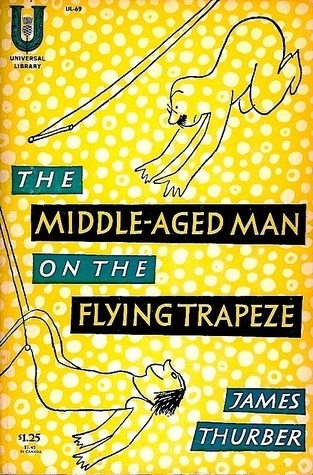
1935

A New Musical Based on the Classic Story
2006

2002
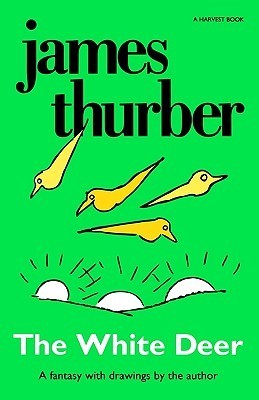
1945
A new comedy
1000
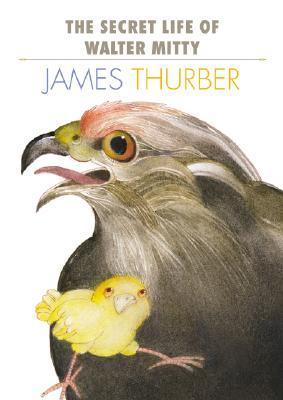
1939
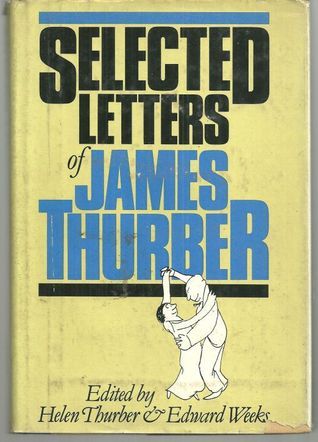
1981
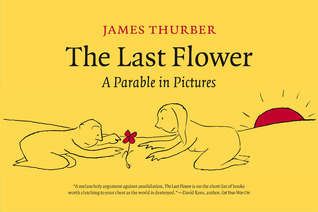
A Parable in Pictures
1939
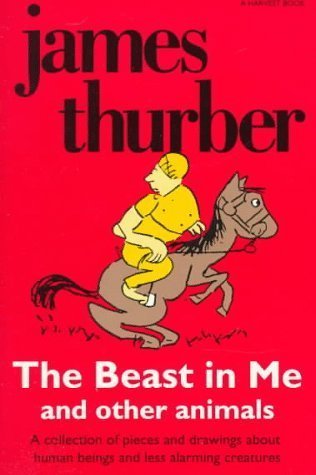
1948
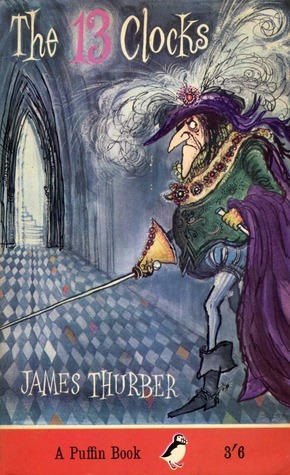
1958
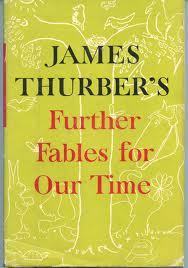
1956

1945
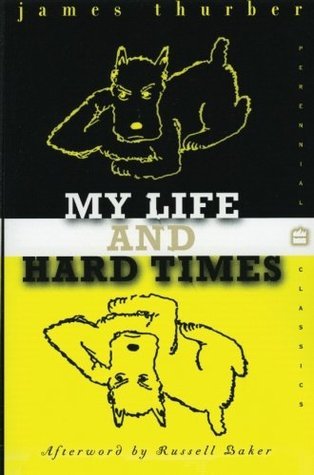
1933
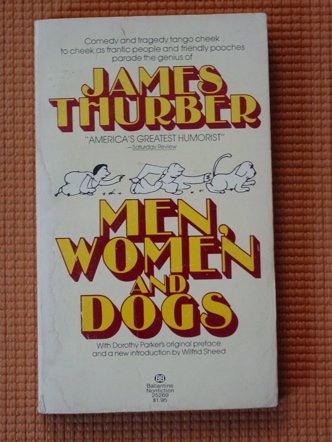
1943
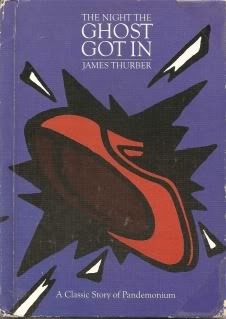
1983
1994
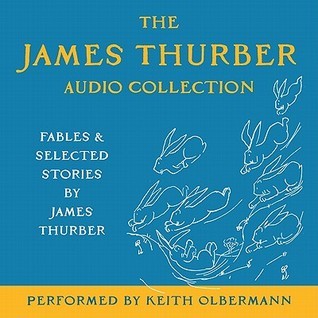
Fables and Selected Stories by James Thurber
2011
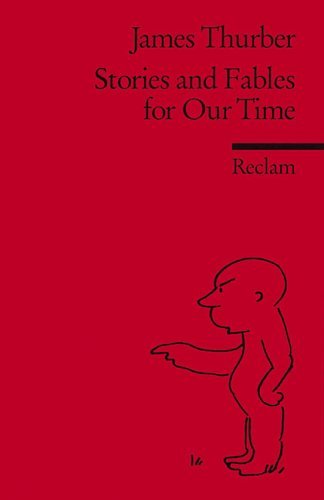
1952

1940
1961
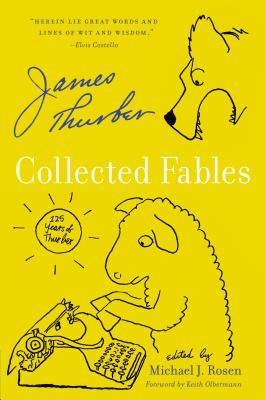
2019
1937
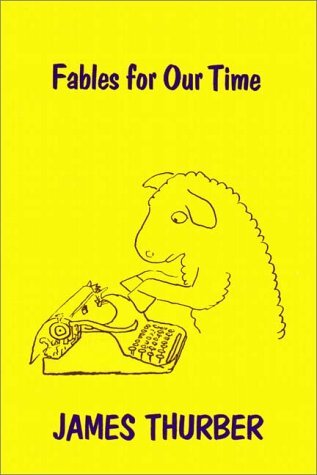
1983

1979
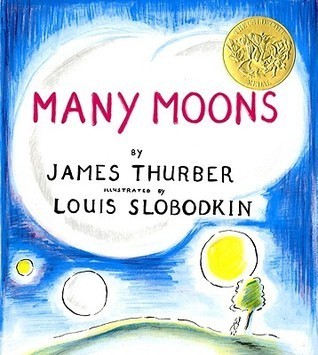
1943
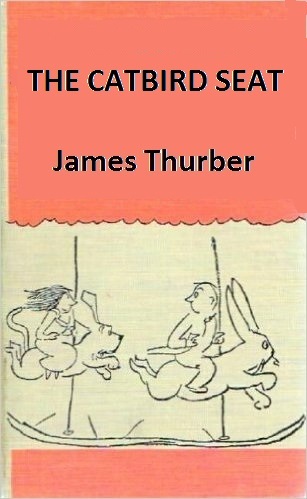
1942
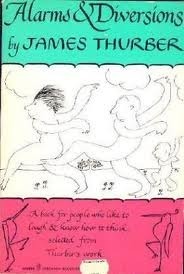
1957

92 Stories
1990
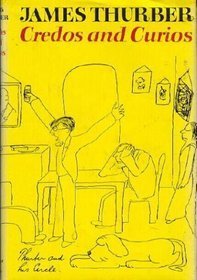
1962
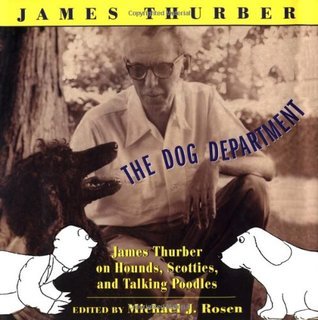
James Thurber on Hounds, Scotties, and Talking Poodles
2001
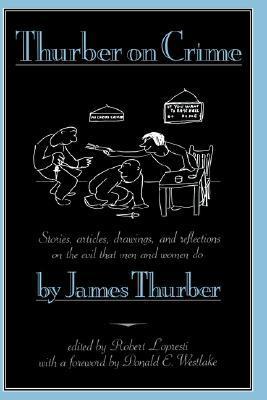
1991
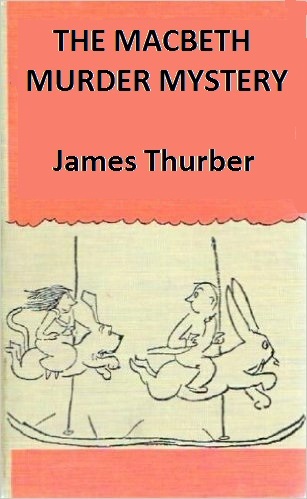
2006
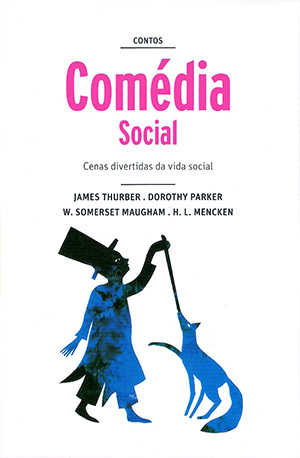
2011
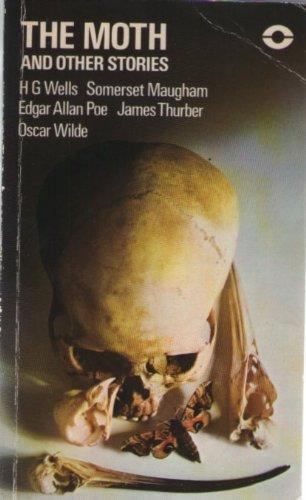
1962

1955
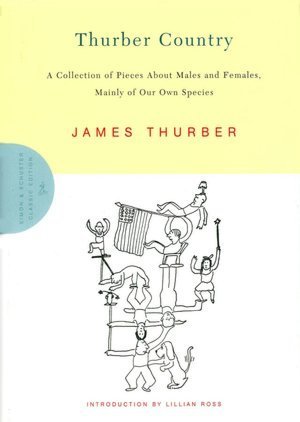
1953

The Wondrous Fairy Tales of Western Culture
1991
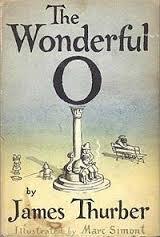
1957

2015
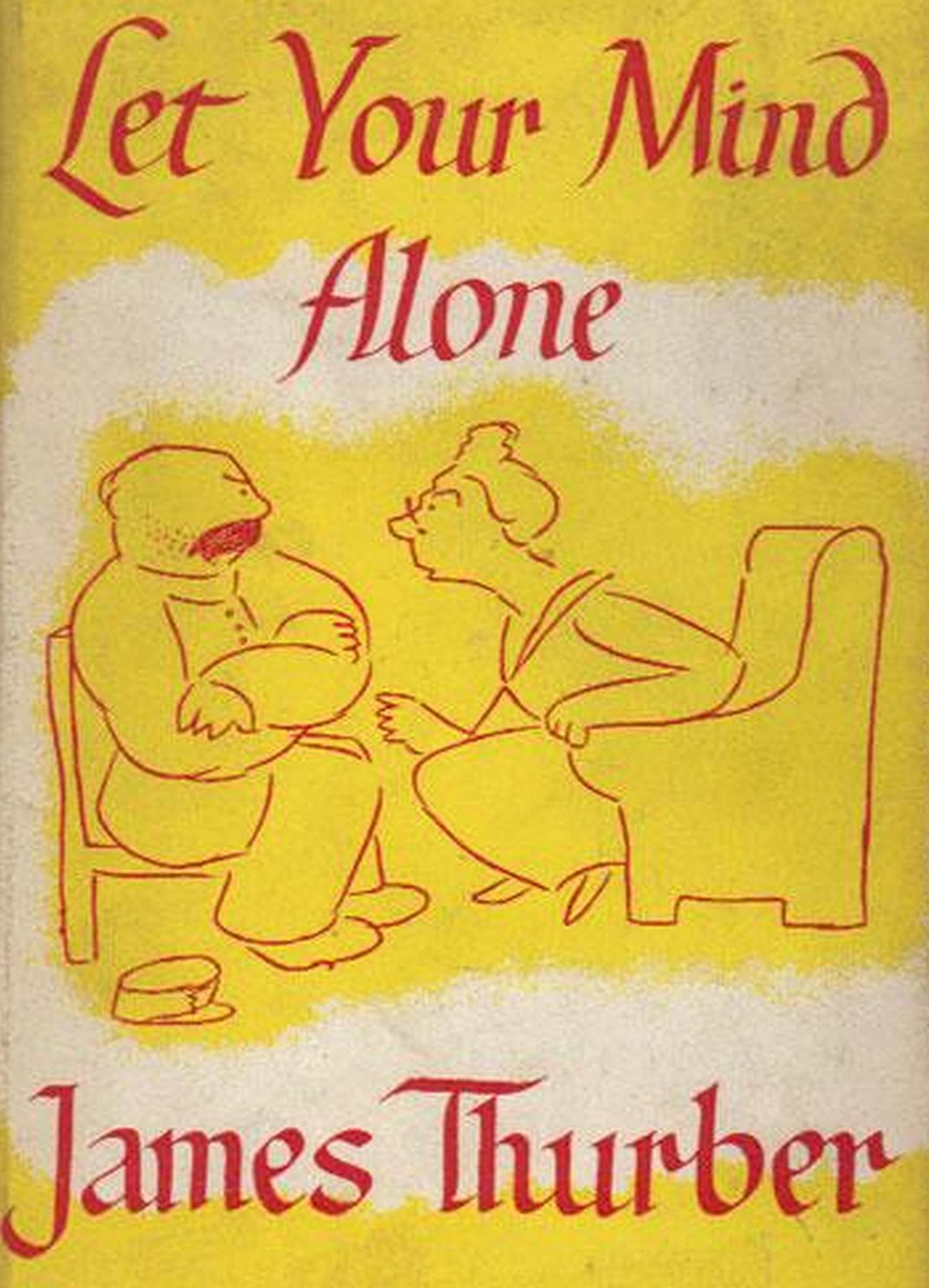
1937
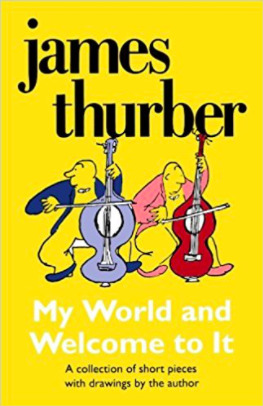
1942

1966
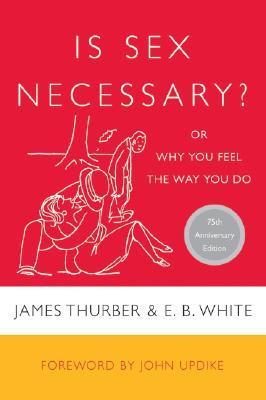
1929
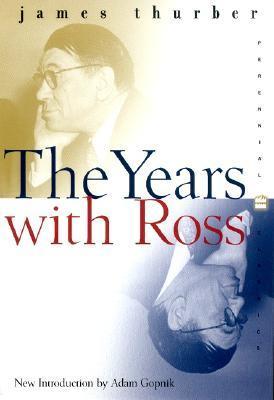
1959
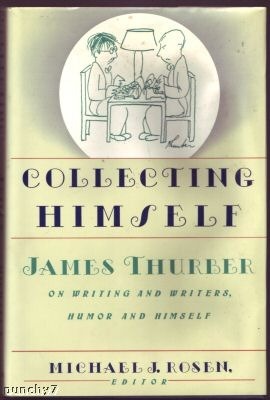
1989
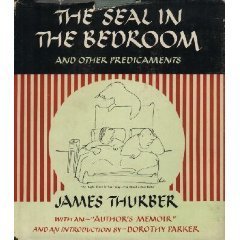
1932
1996
1944
2010
1931
1952
1964
1939
1950
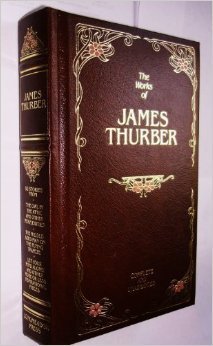
1969