Margins




548 Market St PMB 65688, San Francisco California 94104-5401 USA
© 2026 Paratext Inc. All rights reserved
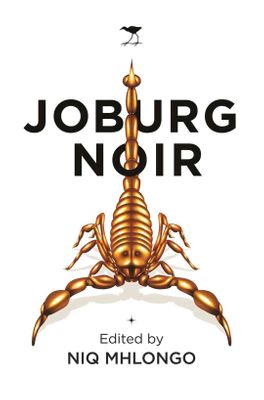
Joburg Noir is a collection of writings about memories, legends, loss, jokes, stories, myths and experiences by twenty-two gifted and versatile authors in South Africa. It makes the reader experience present-day Johannesburg as if one were in the past. The stories seek to understand, reconstruct, reinvent and recover this city space of loss, joy, deprivation, resistance and possibility by revealing its complex dynamics. They are funny, shocking, violent, absurd, strangely tender and memorable. Their lasting resonance lies in the fact that they invoke the joys and traumas of the past and present, making the two to co-exist and interlock. After reading this uncompromising and gritty anthology, the reader is bound to feel like a time-traveller who has voyaged into a magical alternate city and a reality that was either misnamed or not named at all. The intention is to help the readers to delve into their own memories in search of pictures of their sweet childhood and fractured identities.