Margins




548 Market St PMB 65688, San Francisco California 94104-5401 USA
© 2026 Paratext Inc. All rights reserved
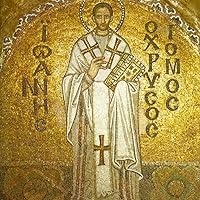
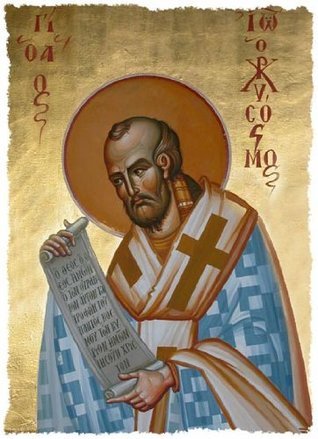
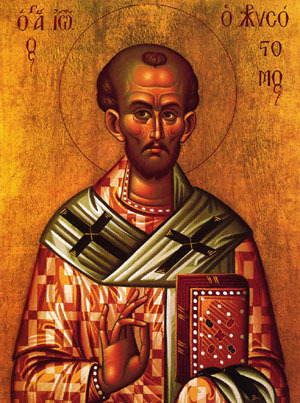
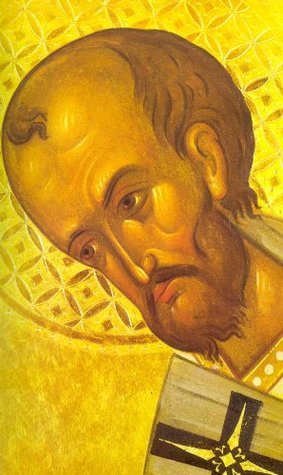
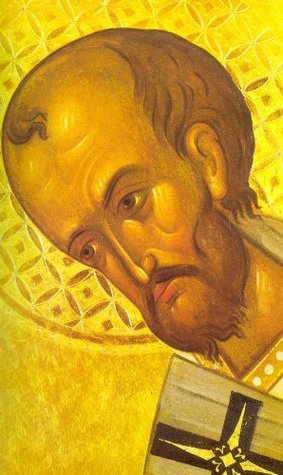
John Chrysostom (c. 347–407, Greek: Ἰωάννης ὁ Χρυσόστομος), Archbishop of Constantinople, was an important Early Church Father. He is known for his eloquence in preaching and public speaking, his denunciation of abuse of authority by both ecclesiastical and political leaders, the Divine Liturgy of St. John Chrysostom, and his ascetic sensibilities. After his death in 407 (or, according to some sources, during his life) he was given the Greek epithet chrysostomos, meaning "golden mouthed", in English and Anglicized to Chrysostom. The Orthodox and Eastern Catholic Churches honor him as a saint and count him among the Three Holy Hierarchs, together with Basil the Great and Gregory Nazianzus. He is recognized by the Eastern Orthodox Church and the Catholic Church as a saint and as a Doctor of the Church. Churches of the Western tradition, including the Roman Catholic Church, some Anglican provinces, and parts of the Lutheran Church, commemorate him on 13 September. Some Lutheran and many Anglican provinces commemorate him on the traditional Eastern feast day of 27 January. The Coptic Orthodox Church of Alexandria also recognizes John Chrysostom as a saint (with feast days on 16 Thout and 17 Hathor). John is known in Christianity chiefly as a preacher, theologian and liturgist. Among his homilies, eight directed against Judaizing Christians remain controversial for their impact on the development of Christian antisemitism.
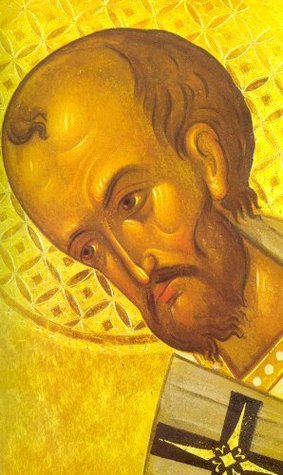
St. Chrysostom: Homilies On The Acts Of The Apostles And The Epistle To The Romans
1925
1962
2011
2010
2009
2002

1980
1956

2005

2013
407
1986
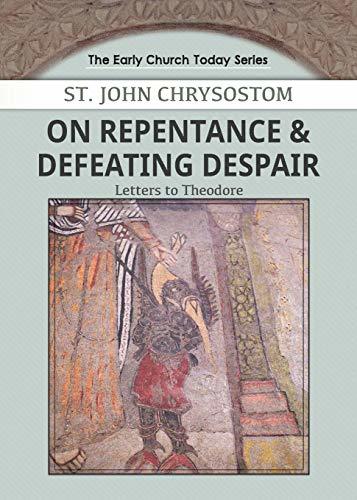
Letters to Theodore (1)
2018
1984

2015
1907
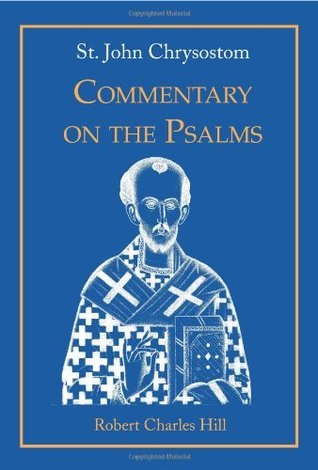
Commentary on the Psalms, Volume 1
2007
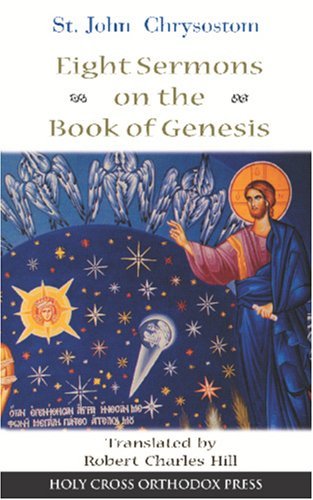
Eight Sermons on the Book of Genesis
2004
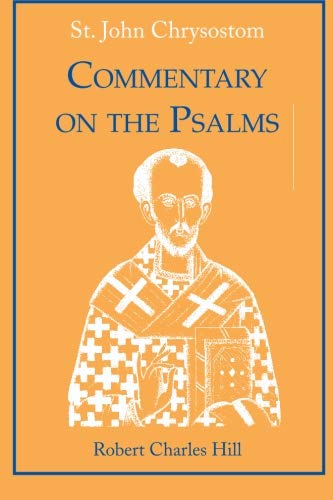
Commentary on the Psalms, Vol 2
1999
2019

2011
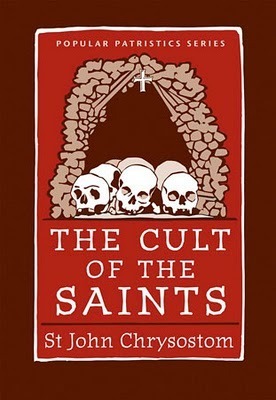
2006
2003
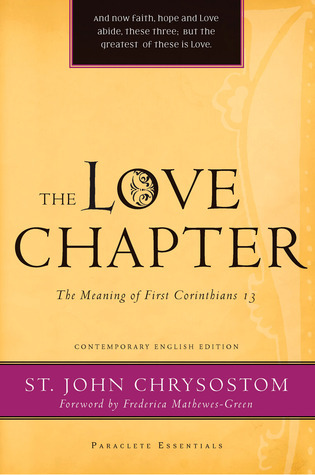
The Meaning of First Corinthians 13
2009