Margins
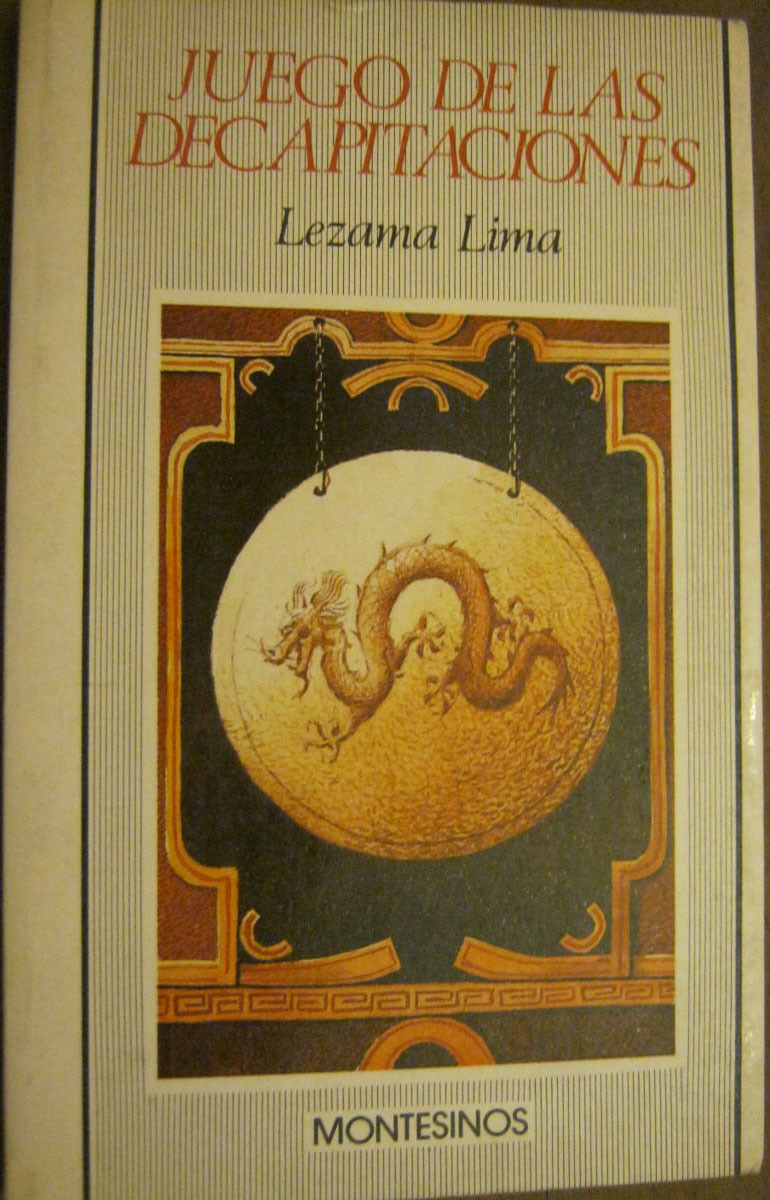
JUEGO DE LAS DECAPITACIONES book cover
JUEGO DE LAS DECAPITACIONES
1982
First Published
3.10
Average Rating
94
Number of Pages
La de José Lezama Lima es una narrativa auspiciada por la poesía, entendida como un poder sigiloso y perpetuo que aproxima al hombre a lo absoluto. Así, Juego de las decapitaciones es la reunión de sus más importantes relatos—cuentos si se quiere—y, al mismo tiempo, una prolongación de su magnífica obra poética. Poblados antes por imágenes que por eventos, estos relatos no manifiestan la voluntad de ceñirse a un tiempo ni a un espacio determinados, sino el deseo ferviente de instalarse en una era fabulosa cuyas reglas y misterios debe desentrañar el lector minuciosamente, pues se esconden tras el artificio de la palabra. Representante máximo del barroco de nuestro continente y autor de una de las obras más bellas que haya dado la lengua castellana, Lezama supo hacer de la opacidad de sus argumentos, la fuerza motriz de los textos que conforman este libro.

Avg Rating
3.10
Number of Ratings
20
5 STARS
25%
4 STARS
20%
3 STARS
20%
2 STARS
10%
1 STARS
25%
goodreads

Author

José Lezama Lima
José Lezama Lima
Author · 11 books

José Lezama Lima (December 19, 1910 in Havana, Cuba - August 8, 1976 in Havana, Cuba) was a Cuban writer and poet who is considered one of the most influential figures in Latin American literature. Although he only left Cuba on at most two occasions (one trip to Jamaica and a possible trip to Mexico), Lezama's poetry, essays and two novels draw images and ideas from nearly all of the world's cultures and from all historical time periods. The baroque style that he forged relied equally upon his Góngora-influenced syntax and stunning constellations of unlikely images. Lezama Lima's first published work, a long poem called "Muerte de Narciso," released when he was only twenty-seven, made him immediately famous within Cuba and established Lezama's well-wrought style and classical subject matter. In addition to his poems and novels, Lezama wrote many essays on figures of world literature like Mallarmé, Valéry, Góngora and Rimbaud as well as on Latin American baroque asethetics. Most notably the essays published as La expresión americana lay out his vision of the European baroque, its relation to the classical, and of the American baroque.

548 Market St PMB 65688, San Francisco California 94104-5401 USA
© 2026 Paratext Inc. All rights reserved