Margins




548 Market St PMB 65688, San Francisco California 94104-5401 USA
© 2026 Paratext Inc. All rights reserved
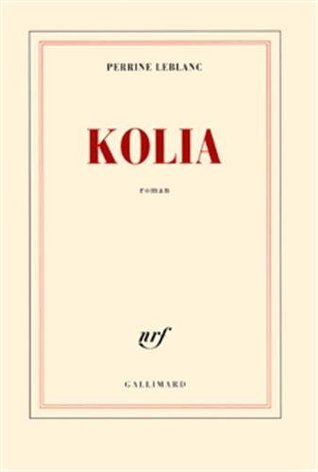
Set against the backdrop of Stalinism and then the collapse of the USSR, Kolia is a luminous and unforgettable story about a boy born in a Siberian Gulag and his eventual freedom and life as a clown in the Moscow circus in the 1960s. Kolia’s life begins in a labour camp in eastern Siberia in 1937. Iosif, a prisoner originally from Western Europe, teaches him the basic knowledge for survival in the harsh environment of the Gulag, but he also teaches him calculus, Russian, and French, before disappearing like most people who have lived in the open-air prison. After Stalin’s death, Kolia is released and he’s thrown into Soviet society. He joins a circus in Moscow, where he finds the comfort of a family and is successful until the collapse of the USSR. But the memory of Josef and the Gulag haunt him all his life. Kolia is a moving and deeply human novel that beautifully illustrates the resilience of the human spirit.