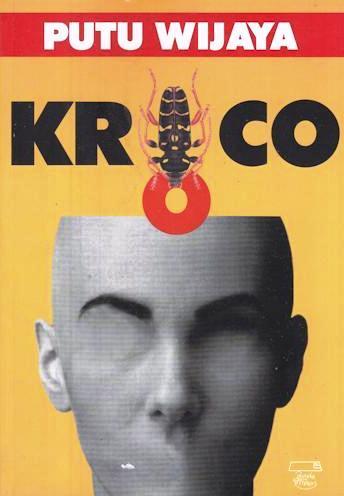



Dalam novel ini Putu Wijaya bukan sekadar berkisah tentang orang yang berbicara dengan pohon. Bukan sebuah dunia fantastis yang serba aneh di negeri antah berantah. Lebih tepatnya ia berkisah tentang seorang lelaki bernama Warno yang percaya bahwa ia bisa berbicara dengan pohon. tidak cuma itu, Warno sesekali meragukan kemampuannya sendiri berbicara dengan pohon. Sesekali ia merasa gagal memahami pernyataan pohon-pohon itu. dan juga bagaimana orang-orang disekitarnya menanggapi hal itu. Putu Wijaya adaah salah seorang penulis Indonesia yang paling awal menertawakan habis-habisan dikotomi. Ia tidak mencoba beraneh-aneh. Dengan berkisah secara lancar dan encer, ia membeberkan sebuah pandangan yang beberapa tahun kemudian dirumuskan dengan susah-payah oleh para ahli kebudayaan (Ariel Heryanto)

Author

Putu Wijaya, whose real name is I Gusti Ngurah Putu Wijaya, is an Indonesian author who was born in Bali on 11 April 1944. He was the youngest of eight siblings (three of them from a different father). He lived in a large housing complex with around 200 people who were all members of the same extended family, and were accustomed to reading. His father, I Gusti Ngurah Raka, was hoping for Putu to become a doctor, but Puti was weak in the natural sciences. He liked history, language and geography. Putu Wijaya has already written around 30 novels, 40 dramas, about a hundred short stories, and thousands of essays, free articles and drama criticisms. He has also produced film and soap-opera scripts. He led the Teater Mandiri theatre since 1971, and has received numerous prices for literary works and soap-opera scripts. He's short stories often appear in the columns of the daily newspapers Kompas and Sinar Harapan. His novels are often published in the magazines Kartini, Femina and Horison. As a script writer, he has two times won the Citra prize at the Indonesian Film Festival, for the movies Perawan Desa (1980) and Kembang Kertas (1985).