


Margins
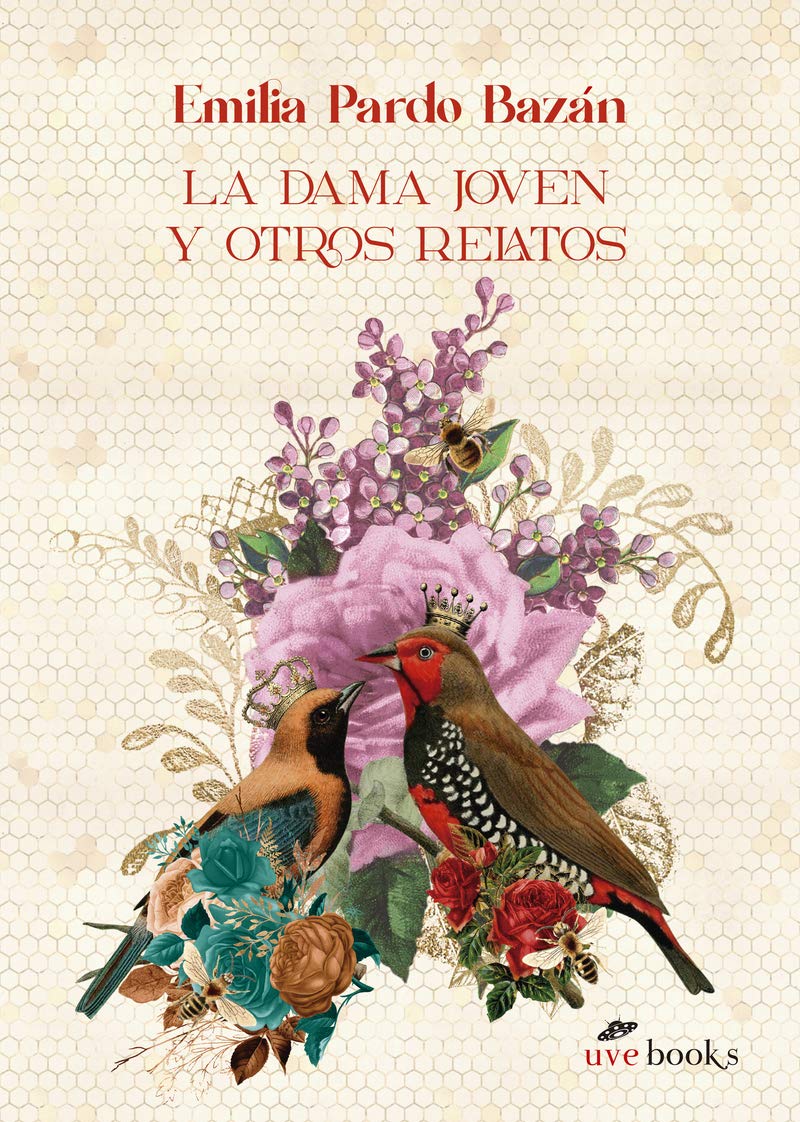
La Dama Joven book cover
La Dama Joven
1752
First Published
4.00
Average Rating
386
Number of Pages

Excerpt from La Dama Joven Por donde yo me hago mi composicion de lugar, y es como sigue: cuando habla el autor por cuenta pro pia, bien esta que se muestre elegante, elocuente y, si cabe, perfecto: a cuyo fin debe enjuagarse a menudo la boca con el anejo y fragante vino de los clasicos, que remoza y fortinca el estilo; pero cuando haga hablar a sus personajes, 6 analice su funcion cerebral y traduz ca sus pensamientos, respete la forma en que se pro ducen, y no enmiende la plana a la vida. Este m'todo mixto siguio Cervantes; en El Quijote alternan trozos de prosa acicalada, culta entonces y ahora, con rusti cas y soeces razones de fregonas, arrieros y villanos. About the Publisher Forgotten Books publishes hundreds of thousands of rare and classic books. Find more This book is a reproduction of an important historical work. Forgotten Books uses state-of-the-art technology to digitally reconstruct the work, preserving the original format whilst repairing imperfections present in the aged copy. In rare cases, an imperfection in the original, such as a blemish or missing page, may be replicated in our edition. We do, however, repair the vast majority of imperfections successfully; any imperfections that remain are intentionally left to preserve the state of such historical works.
Avg Rating
4.00
Number of Ratings
21
5 STARS
19%
4 STARS
62%
3 STARS
19%
2 STARS
0%
1 STARS
0%
goodreads

Author

Emilia Pardo Bazán
Emilia Pardo Bazán
Author · 61 books

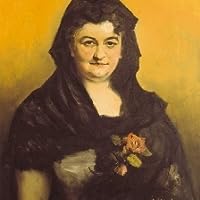
Emilia Pardo Bazán was a Galician author and scholar from Galicia. She is known for bringing naturalism to Spanish literature, for her detailed descriptions of reality, and for her role in feminist literature of her era. Her first novel, Pascual López (1879), is a simple exercise in fantasy of no remarkable promise, though it contains good descriptive passages of romance. It was followed by a more striking story, Un viaje de novios (1881), in which a discreet attempt was made to introduce into Spain the methods of French realism. The book caused a sensation among the literary cliques, and this sensation was increased by the appearance of another naturalistic tale, La tribuna (1885), wherein the influence of Émile Zola is unmistakable. Meanwhile, the writer's reply to her critics was issued under the title of La cuestion palpitante (1883), a clever piece of rhetoric, but of no special value as regards criticism or dialectics. The best of Emilia Pardo Bazán's work is embodied in Los pazos de Ulloa (1886), the painfully exact history of a decadent aristocratic family. A sequel, with the significant title of La madre naturaleza (1887), marks a further advance in the path of naturalism. She was also a journalist, essayist and critic. She died in Madrid.

548 Market St PMB 65688, San Francisco California 94104-5401 USA
© 2026 Paratext Inc. All rights reserved