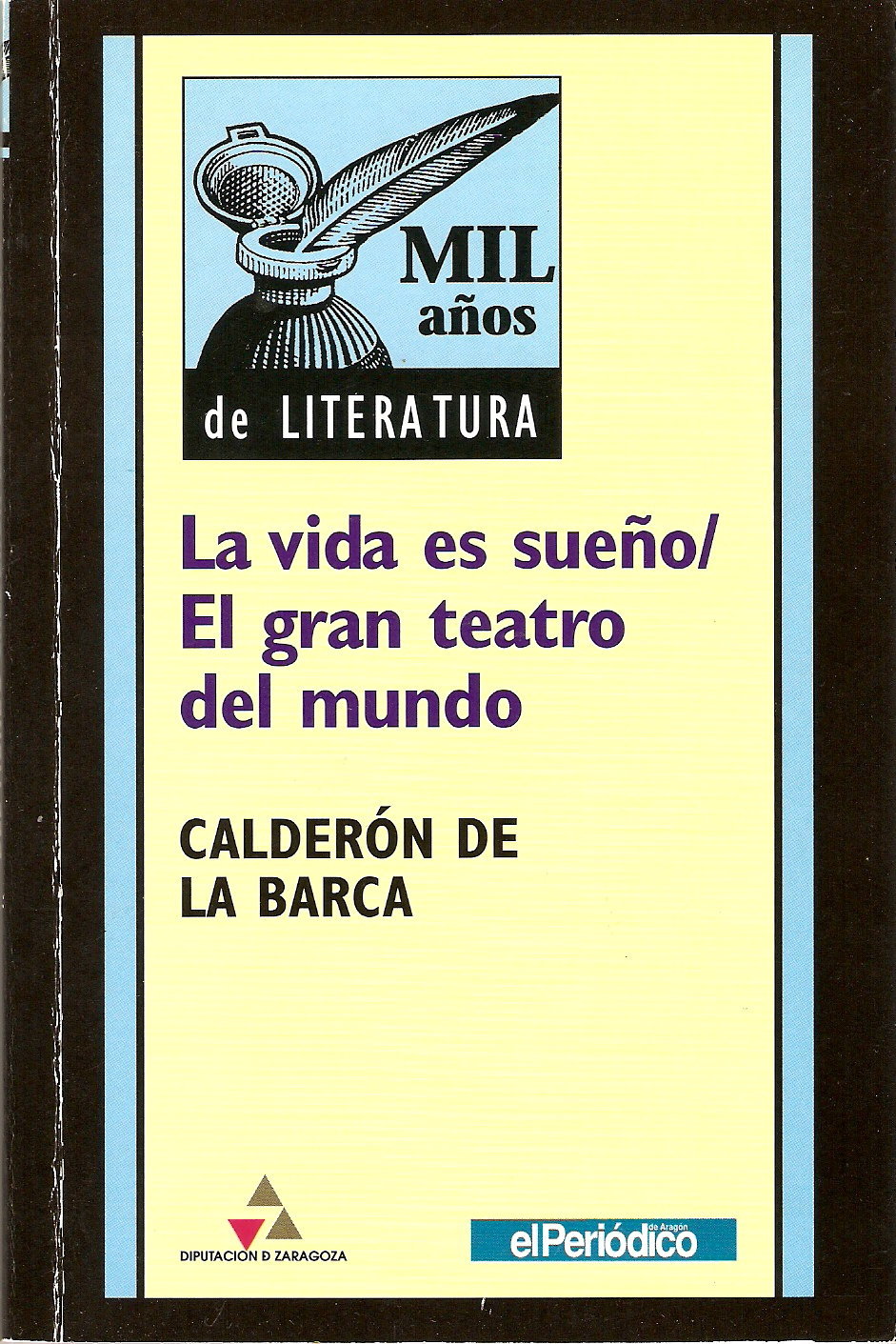



"La vita è sogno" è un dramma filosofico-teologico in tre atti e in versi scritto nel 1635 da Pedro Calderón de La Barca (1600-1681). L'intera esistenza è sogno, caratterizzata quindi da illusorietà, fugacità del tempo, vanità delle cose terrene. L'unica realtà possibile è la morte, che svela all'uomo la vera natura dell'esistenza, cioè l'illusorietà, e quindi l'inconsistenza del mondo. Per queste idee l'opera teatrale è emblematica del clima culturale dell'età barocca ed è un'opera fondamentale della letteratura barocca europea. Pedro Calderón de la Barca (Madrid, 17 gennaio 1600 – Madrid, 25 maggio 1681) è stato un drammaturgo e religioso spagnolo.È considerato l'ultima grande voce del Siglo de oro spagnolo. Traduzione di Giovanni La Cecilia
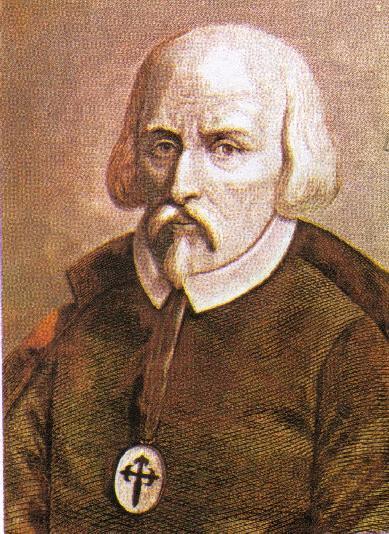
Author

Pedro Calderón de la Barca y Henao was a dramatist of the Spanish Golden Age. Calderón initiated what has been called the second cycle of Spanish Golden Age theatre. Whereas his predecessor, Lope de Vega, pioneered the dramatic forms and genres of Spanish Golden Age theatre, Calderón polished and perfected them. Whereas Lope's strength lay in the sponteneity and naturalness of his work, Calderón's strength lay in his capacity for poetic beauty, dramatic structure and philosophical depth. Calderón was a perfectionist who often revisited and reworked his plays, even long after they debuted. This perfectionism was not just limited to his own work: many of his plays rework existing plays or scenes by other dramatists, improving their depth, complexity, and unity. (Many European playwrights of the time, such as Molière, Corneille and Shakespeare, reworked old plays in this way.) Calderón excelled above all others in the genre of the "auto sacramental", in which he showed a seemingly inexhaustible capacity to giving new dramatic forms to a given set of theological constructs. Calderón wrote 120 "comedias", 80 "autos sacramentales" and 20 short comedic works called "entremeses"