


Margins
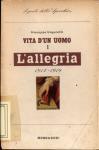
L'allegria book cover
L'allegria
1931
First Published
4.33
Average Rating
184
Number of Pages

Geoffrey Brock, whose translations have won him Poetry magazine's John Frederick Nims Memorial Prize and a Guggenheim Fellowship, finally does justice to these slim, concentrated verses in his English translation, alongside Ungaretti's Italian originals. Famed for his brevity, Giuseppe Ungaretti's early poems swing nimbly from the coarse matter of tram wires, alleyways, quails in bushes, and hotel landladies to the mystic shiver of pure abstraction. These are the kinds of poems that, through their numinous clarity and shifting intimations, can make a poetry-lover of the most stone-faced non-believer. Ungaretti won multiple prizes for his poetry, including the 1970 Neustadt International Prize for Literature. He was a major proponent of the Hermetic style, which proposed a poetry in which the sounds of words were of equal import to their meanings. This auditory awareness echoes through Brock's hair-raising translations, where a man holding vigil with his dead, open-mouthed comrade, says, "I have never felt / so fastened / to life."
Avg Rating
4.33
Number of Ratings
345
5 STARS
51%
4 STARS
34%
3 STARS
13%
2 STARS
2%
1 STARS
0%
goodreads

Author

Giuseppe Ungaretti
Giuseppe Ungaretti
Author · 11 books

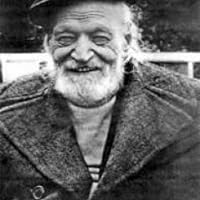
Giuseppe Ungaretti was an Italian modernist poet, journalist, essayist, critic and academic. A leading representative of the experimental trend known as ermetismo, he was one of the most prominent contributors to 20th century Italian literature. Influenced by symbolism, he was briefly aligned with futurism. Like many futurists, he took an irredentist position during World War I. Ungaretti debuted as a poet while fighting in the trenches, publishing one of his best-known pieces, L'allegria ("The Joy"). During the interwar period, Ungaretti was a collaborator of Benito Mussolini (whom he met during his socialist accession), as well as a foreign-based correspondent for Il Popolo d'Italia and La Gazzetta del Popolo. While briefly associated with the Dadaists, he developed ermetismo as a personal take on poetry. After spending several years in Brazil, he returned home during World War II, and was assigned a teaching post at the University of Rome, where he spent the final decades of his life and career. Ungaretti's Fascist past was the subject of controversy.

548 Market St PMB 65688, San Francisco California 94104-5401 USA
© 2026 Paratext Inc. All rights reserved